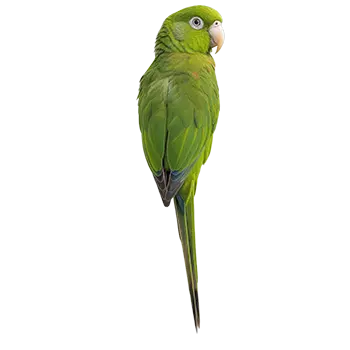

Weaning is the defining milestone of the juvenile period for White-Eyed Conures, and it represents a physiological, behavioral, and psychological transformation that requires patience and attentive management. The weaning process typically begins around eight to ten weeks of age, when the chick starts showing sustained interest in solid food rather than merely mouthing objects out of curiosity. True weaning is a gradual process that unfolds over several weeks, and attempting to rush it by abruptly withdrawing hand-feeding formula is one of the most harmful mistakes a caregiver can make.
The transition begins by offering a variety of soft, easy-to-consume foods alongside the regular hand-feeding schedule. Warm cooked grains such as brown rice, quinoa, and oats provide familiar texture and warmth that mimic formula. Softened pellets, finely diced sweet potato, steamed carrots, and small pieces of ripe fruit give the young conure opportunities to explore different flavors, textures, and consistencies. Scatter food on a flat dish or the cage floor initially, as juvenile conures are more likely to investigate food they encounter during natural foraging movements than food presented in an elevated bowl.
As the chick begins consuming meaningful quantities of solid food, the formula feedings can be gradually reduced in both frequency and volume. Most White-Eyed Conures will drop from three daily feedings to two, then to a single evening feeding, and finally to full independence over a period of two to four weeks. The evening feeding is typically the last to be eliminated because it provides a psychological comfort and caloric buffer overnight. Monitor the chick's weight carefully throughout this process. A modest dip of five to ten percent from peak weight is normal during weaning as the chick adjusts to less calorically dense foods, but a sustained decline beyond this range indicates the chick is not yet consuming enough solid food and may need additional formula support.
Forced weaning, where formula is abruptly withdrawn to compel the chick to eat solid food, causes severe stress and can lead to dangerous weight loss, immune suppression, and lasting behavioral problems including food anxiety and regression. Abundance weaning, the preferred method, allows the chick to self-direct the process by providing unlimited access to varied solid foods while tapering formula based on the chick's demonstrated intake and weight stability. Every chick weans at its own pace, and the caregiver's role is to provide opportunity and support rather than to impose a rigid timeline.