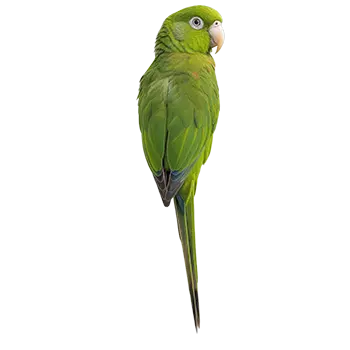

The transition from a manageable senior stage into end-of-life decline can be gradual or sudden in White-Eyed Conures, and recognizing the signs that a bird has entered its final phase is essential for providing appropriate care during the time that remains. White-Eyed Conures can live 20 to 30 years under optimal conditions, but individual lifespan is influenced by genetics, lifetime diet, environmental quality, and the cumulative impact of any chronic health conditions. When a bird enters true decline, the signs are often unmistakable once the caregiver knows what to look for.
Persistent weight loss that does not respond to dietary intervention or veterinary treatment is one of the most reliable indicators of irreversible decline. A bird that is steadily losing body mass despite adequate food availability and caloric supplementation is likely experiencing organ failure, advanced disease, or metabolic collapse that cannot be reversed. The keel bone becomes sharply prominent as pectoral muscle mass wastes away, and the bird may appear hollow-chested and angular even when eating.
Reduced engagement with the environment signals that the bird is withdrawing from the active life it once led. A White-Eyed Conure that no longer responds to its favorite treats, stops vocalizing, shows no interest in social interaction, or remains on a single perch for the entire day has entered a qualitatively different state from the gradual slowing of normal aging. Sleep patterns may shift dramatically, with the bird sleeping for extended periods during the day or sitting in a fluffed, eyes-closed posture during hours when it would normally be active.
Physical signs of terminal decline can include labored or open-mouth breathing at rest, persistent tail bobbing indicating respiratory distress, inability to maintain balance on a perch, sudden loss of coordination, and changes in the appearance or volume of droppings such as dark tarry stools, bright green bile-stained droppings, or dramatically reduced fecal output. Any combination of these signs in a senior bird warrants an honest conversation with your avian veterinarian about the bird's prognosis and the most compassionate path forward.