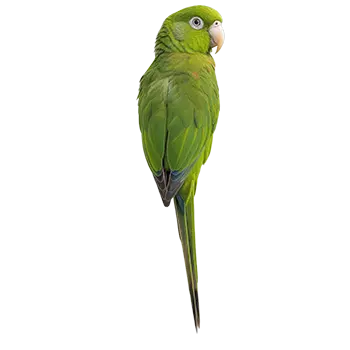

A well-structured daily routine is the backbone of successful adult White-Eyed Conure care. These medium-sized parrots thrive on predictability, and a consistent schedule for feeding, social interaction, out-of-cage time, and sleep creates a sense of security that reduces stress-related behaviors. While individual birds develop their own rhythms and preferences, establishing a reliable framework around which the day is organized benefits both the bird and the caregiver.
The day should begin with uncovering the cage at a consistent time and allowing the bird to wake naturally with the household. Morning is an ideal time for the first fresh food offering and a water change. Remove any uneaten fresh food from the previous day, clean food and water dishes with hot water and a bird-safe detergent, and provide fresh pellets alongside a serving of chopped vegetables and a small amount of fruit. Observe the bird's droppings on the cage floor before cleaning. Morning droppings accumulated overnight provide a useful snapshot of the bird's digestive health and hydration status.
Cage maintenance should follow a predictable schedule. Cage paper or substrate should be changed daily, food and water dishes cleaned and refilled at least twice daily, and perches wiped down as needed to remove food residue and droppings. A thorough weekly cage cleaning involves removing all perches, toys, and dishes, washing the cage bars and tray with a bird-safe disinfectant, rinsing thoroughly, and allowing everything to dry completely before reassembly. Monthly deep cleaning should include inspection and replacement of worn perches, frayed rope toys, or damaged hardware that could pose an injury risk.
Out-of-cage time should total a minimum of two to three hours daily, ideally divided between a morning and an evening session when the household is most active. White-Eyed Conures are social birds that suffer both physically and psychologically when confined to their cage for extended periods. Use out-of-cage time for supervised flight exercise, play, training reinforcement, and one-on-one bonding. The evening routine should include a final meal check, a brief social interaction, and then dimming lights and covering the cage to signal the start of the sleep period. Adult White-Eyed Conures require 10 to 12 hours of uninterrupted darkness for proper hormonal regulation and overall health.