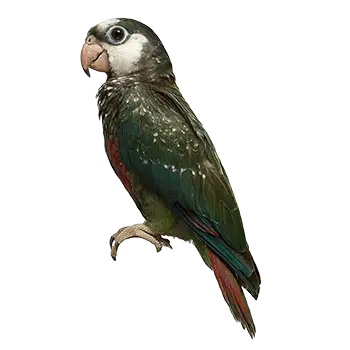

White-Capped Pionus parrots reach sexual maturity at approximately three to five years of age, though physiological readiness alone does not determine whether a bird is a suitable candidate for breeding. Responsible aviculture requires evaluating the prospective breeding bird's physical condition, genetic background, behavioral temperament, and overall health status before any attempt at pairing. Breeding immature, underweight, or health-compromised birds produces poor outcomes for both the adults and any resulting offspring.
A breeding candidate should be at optimal body weight, well-feathered, free of chronic health conditions, and in confirmed good health based on a comprehensive veterinary examination that includes blood work, fecal analysis, and screening for significant avian diseases such as Psittacine Beak and Feather Disease, Polyomavirus, and Chlamydiosis. Both the male and the female should test negative for these conditions before they are paired, as vertical transmission from parent to offspring can occur with several of these pathogens. The veterinarian should also evaluate the female's calcium status, as egg production places heavy demands on calcium reserves and a deficient hen is at risk for egg binding, a potentially fatal complication.
DNA sexing is essential for the White-Capped Pionus, as the species is not reliably sexually dimorphic. Males and females look virtually identical in plumage and body size, and behavioral cues alone are insufficient for definitive sex determination. A blood-based or feather-based DNA sex test, performed by a reputable avian laboratory, provides definitive confirmation and eliminates the possibility of pairing two birds of the same sex, which is a surprisingly common mistake with monomorphic species.
Beyond physical readiness, the behavioral temperament of the breeding candidates matters. White-Capped Pionus parrots are generally calmer and less aggressive than some other parrot genera during breeding condition, but individual variation exists. A bird with a history of severe feather-destructive behavior, chronic anxiety, or extreme human-bonding to the exclusion of avian social interest may not transition well into a breeding role. Breeding is a demanding physiological and psychological undertaking, and candidates should demonstrate the resilience and social adaptability that successful parenthood requires.