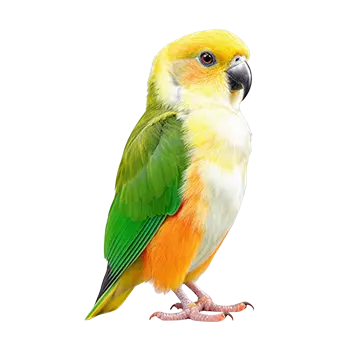

Understanding the End-of-Life Stage

The end-of-life stage in a White-Bellied Caique may arrive as the culmination of the natural aging process or as the result of a terminal illness diagnosed at any point during the bird's life. Regardless of the circumstances that bring a caique to this stage, the caregiver faces a period that demands emotional resilience, clear-headed decision-making, and a steadfast commitment to the bird's comfort and dignity. Understanding what the end-of-life stage looks like in parrots, and specifically in caiques, helps caregivers prepare emotionally and practically for the journey ahead.

Parrots approaching the end of life often display a cluster of changes that, taken together, indicate a systemic decline beyond what targeted treatment can reverse. In White-Bellied Caiques, these changes may include progressive weight loss despite adequate food availability, significantly reduced activity and loss of the playful, energetic temperament that defines the species, persistent fluffing of feathers with extended periods of inactivity, diminished interest in social interaction, and a noticeable decline in the quality and frequency of vocalizations. These changes may develop gradually over weeks or months in the case of age-related decline, or more rapidly when driven by an aggressive disease process.

It is important to distinguish between a treatable acute illness and a genuine end-of-life trajectory. A caique that becomes suddenly lethargic, stops eating, and sits fluffed on the cage floor may be experiencing a medical emergency that is entirely reversible with prompt veterinary intervention. The end-of-life stage, by contrast, is characterized by a pattern of progressive decline that continues despite appropriate medical treatment, or by a diagnosed terminal condition for which curative options have been exhausted. The avian veterinarian plays a crucial role in helping the caregiver understand which scenario they are facing, and this distinction should never be made based on assumption alone.

Accepting that a beloved caique is approaching the end of its life is one of the most difficult emotional experiences a pet owner can face. The deep bonds that caiques form with their caregivers, combined with the years of daily interaction and companionship that a 25- to 30-year-old bird represents, make the impending loss profoundly personal. Allow yourself to feel the weight of this reality while also channeling your emotional energy into practical decisions that will serve the bird's best interests during the time that remains.

Quality-of-Life Assessment

Rigorous, ongoing quality-of-life assessment is the ethical cornerstone of end-of-life care for a White-Bellied Caique. The purpose of this assessment is to answer a single, difficult question with honesty and compassion: Is this bird experiencing more good moments than bad, and is the trajectory stable or declining? Answering this question requires a structured approach that goes beyond subjective impressions and provides a framework for making the most difficult decisions a caregiver will face.

Several quality-of-life scoring systems have been developed for companion animals, and while most were originally designed for dogs and cats, the underlying principles apply directly to parrots. A useful framework evaluates five core domains: pain and physical comfort, appetite and ability to eat, mobility and independence, social engagement and responsiveness, and the overall balance of good days versus bad days within a defined period. Score each domain on a simple numerical scale at regular intervals, such as weekly, and track the scores over time. A progressive decline across multiple domains, even if each individual decline seems modest, indicates an overall trajectory that warrants serious consideration of the bird's remaining quality of life.

Pain assessment in parrots is inherently challenging because birds are prey species that suppress visible pain responses as an evolutionary survival strategy. A caique in significant pain may not vocalize or display obvious distress but may instead become unusually still, adopt a hunched posture with partially closed eyes, reduce its food intake, and withdraw from social interaction. Behavioral changes that represent departures from the individual bird's established baseline are more informative than generic pain indicators, which is why the long history of daily observation that a caregiver accumulates over years of companionship is such a valuable diagnostic resource during this period.

Consult the avian veterinarian regularly during the end-of-life stage to obtain an objective clinical perspective on the bird's condition. The veterinarian can perform physical examinations and diagnostics that reveal aspects of the bird's health status that are not visible to the caregiver, such as internal organ enlargement, fluid accumulation, and changes in blood chemistry. Combining the veterinarian's clinical findings with the caregiver's intimate knowledge of the individual bird's behavioral baseline produces the most accurate and compassionate quality-of-life assessment possible.

Document your quality-of-life observations in writing rather than relying on memory alone. The emotional intensity of the end-of-life period can distort perception, and caregivers commonly experience both premature despair, in which a temporary bad day is interpreted as a permanent decline, and denial, in which a genuine downward trend is rationalized away. Written records provide an objective anchor that helps the caregiver and the veterinarian together make decisions based on what is actually happening rather than what the caregiver fears or hopes is happening.

Palliative & Hospice Care

Palliative care for a terminally ill or aging White-Bellied Caique shifts the goal of medical and husbandry interventions from cure to comfort. This shift is not an abandonment of care but a redirection of care toward maximizing the bird's quality of life during the time that remains. Palliative care may continue for weeks or even months, depending on the nature and pace of the bird's decline, and the caregiver's commitment to providing attentive, compassionate daily care during this period is the most meaningful gift they can offer their companion.

Pain management is the first priority of palliative care. Work closely with the avian veterinarian to identify appropriate analgesic medications and anti-inflammatory agents that can be safely administered to the bird on an ongoing basis. Non-steroidal anti-inflammatory drugs are commonly used in avian palliative care, though the specific medication and dosage must be determined by the veterinarian based on the bird's condition, body weight, and liver and kidney function. Administer medications consistently at the prescribed times and monitor the bird for side effects, which may include changes in appetite, droppings, or behavior.

Environmental modifications for a bird in palliative care extend and intensify the adjustments described in the senior care stage. Position all perches at low heights to eliminate the risk of injury from falls, and provide padded, flat resting surfaces on the cage floor for a bird that can no longer grip perches comfortably. Place food and water within easy reach, and consider offering food by hand if the bird's ability to self-feed has declined. Keep the cage environment warm, quiet, and free from sudden disturbances. A supplemental heat source such as a thermostatically controlled ceramic panel can provide constant, gentle warmth that eases the physical discomfort of a weakened bird.

Nutritional support during the palliative period may require creative adaptation. A bird that has lost interest in its regular diet may respond to warm, softened foods, hand-offered favorites, or small amounts of particularly appealing items that it would not normally receive in quantity, such as a special fruit or a small nut. The objective is no longer nutritional optimization but rather encouraging the bird to eat something and maintaining hydration. If the bird is unable or unwilling to eat voluntarily, the veterinarian may recommend assisted feeding through a syringe or gavage, though this intervention must be weighed against the stress it causes the bird. A point may come when the distress of assisted feeding outweighs its benefit, and the caregiver and veterinarian must recognize and honor that threshold.

Emotional support for the bird is an integral component of palliative care that should not be underestimated. A dying caique still experiences its environment, recognizes its caregiver, and responds to familiar voices and gentle touch. Spend time in quiet companionship with the bird, speaking softly, offering gentle physical contact if the bird seeks it, and maintaining the routines and rituals that defined your relationship. The bird's world has narrowed, and the caregiver's calm, loving presence within that reduced world provides comfort that no medication can replicate.

The Euthanasia Decision

Euthanasia is a word that many caregivers find difficult to confront, yet it represents one of the most compassionate decisions available when a White-Bellied Caique's quality of life has declined beyond the point of meaningful recovery. The decision to euthanize is never made lightly, and it should be the product of careful deliberation, honest quality-of-life assessment, and thoughtful consultation with the avian veterinarian. Understanding the process, the reasoning behind it, and the emotional landscape surrounding it helps caregivers approach this decision from a place of informed compassion rather than fear or guilt.

The ethical framework for euthanasia in veterinary medicine centers on the prevention of unnecessary suffering. When a bird's condition has deteriorated to the point where pain cannot be adequately managed, where basic functions such as eating, breathing, or maintaining balance are severely compromised, or where every day brings more distress than comfort, continuing to sustain the bird's life may cause more harm than ending it. The caregiver's role is not to determine the absolute right moment but rather to ensure that the bird does not suffer unnecessarily because the decision was delayed beyond the point where it would have been merciful.

Avian euthanasia, when performed by a qualified veterinarian, is a rapid and humane process. The bird is typically administered an anesthetic agent, either by injection or through inhalation of an anesthetic gas, that renders it deeply unconscious within seconds. Once the bird is fully anesthetized and unaware, a lethal dose of a barbiturate is administered by injection, which stops cardiac function quickly and painlessly. The entire process, from the induction of anesthesia to the cessation of vital signs, is usually completed within one to two minutes. Many avian veterinarians will allow the caregiver to be present during the procedure and to hold the bird if they wish, though this is a personal choice that should be made based on what feels right for the individual.

The timing of euthanasia is the aspect that causes the most anguish for caregivers, and there is no formula that eliminates this difficulty. A commonly cited guideline is that it is better to act a day too early than a day too late, meaning that sparing the bird a final period of avoidable suffering is preferable to waiting until the situation has become unmistakably desperate. If the quality-of-life assessment consistently shows declining scores across multiple domains, if the veterinarian confirms that the bird's condition is terminal and unlikely to improve, and if the ratio of bad days to good days has shifted decisively, the compassionate choice is to act while the bird still has some dignity and comfort, rather than waiting for a crisis that makes the decision urgent rather than considered.

Practical Considerations After Loss

The practical matters that follow the death of a White-Bellied Caique require attention during a period when the caregiver's emotional reserves are at their lowest. Addressing these matters in advance, before they become urgent, reduces the burden during the immediate aftermath of the loss and allows the caregiver to grieve without the additional stress of making rushed logistical decisions. If possible, consider the options described below while the bird is still alive and discuss preferences with family members or housemates so that plans are in place when needed.

Aftercare for the bird's remains is a personal decision with several available options. Cremation is the most common choice and is available through most veterinary clinics, either individually where the bird's ashes are returned to the owner, or communally where multiple animals are cremated together. Individual cremation allows the caregiver to keep or scatter the ashes in a meaningful location, while communal cremation is typically less costly. Home burial is another option in areas where local regulations permit it, and the small size of a caique makes this practical in most garden settings. Bury the bird at a depth of at least two feet to prevent disturbance by other animals, and consider placing the remains in a biodegradable container.

If other birds share the household, they may react to the absence of the deceased caique in ways that require attention. Parrots are socially aware animals that notice changes in their flock composition, and a companion bird may display signs of distress including increased vocalization, reduced appetite, feather-picking, or searching behavior directed at the areas where the deceased bird spent time. These responses are typically temporary and resolve within days to weeks as the surviving bird adjusts. Providing extra social attention, maintaining a stable routine, and avoiding additional changes in the surviving bird's environment during this adjustment period help ease the transition.

Notify the avian veterinarian's office of the bird's passing so that records can be updated. If the cause of death is uncertain and the caregiver wishes to understand what happened, a necropsy, the avian equivalent of an autopsy, can be performed by the veterinarian. Necropsy findings can provide closure, reveal underlying conditions that were not diagnosed during life, and generate information that is valuable if the caregiver has other birds or plans to acquire another bird in the future. Necropsy must be requested promptly, ideally within 24 hours, and the bird's remains should be kept cool until the procedure can be performed.

Practical tasks such as cleaning and storing the bird's cage, toys, and accessories can be addressed on whatever timeline feels right to the caregiver. Some people find comfort in putting these items away quickly, while others prefer to leave the cage in place for a period as part of their grieving process. There is no correct timeline for these tasks, and the caregiver should follow their own emotional needs without pressure from well-meaning friends or family who may not understand the depth of the bond between a parrot and its human companion.

Grief & Emotional Support

The grief that follows the loss of a White-Bellied Caique is a genuine and significant emotional experience that deserves acknowledgment, respect, and support. The bond between a parrot and its caregiver is built over years or decades of daily interaction, shared routines, and reciprocal affection, and the loss of that bond is no less meaningful than the loss of any other deeply loved companion. Caregivers who are grieving a caique often face the additional challenge of encountering people who dismiss the significance of losing a bird, and this lack of social validation can complicate and prolong the grieving process.

Grief manifests differently in every individual and may include sadness, anger, guilt, anxiety, difficulty concentrating, disrupted sleep, changes in appetite, and a persistent sense of emptiness in the spaces and routines that the bird once occupied. Guilt is a particularly common component of grief for pet owners and may center on decisions made during the bird's illness, the timing of euthanasia, or perceived failures in care. It is important to recognize that guilt is a normal grief response and that the fact of your grieving demonstrates the depth of care you provided, not its inadequacy.

Seek out support systems that understand and validate the loss. Pet loss support groups, both in-person and online, provide a community of people who have experienced similar losses and who can offer empathy without judgment. Many avian clubs and parrot rescue organizations maintain forums where members share their experiences of losing a companion bird, and the species-specific understanding found in these communities can be particularly comforting. Some veterinary clinics offer pet loss support resources or can refer caregivers to counselors who specialize in bereavement related to animal companions.

Memorialization can serve as a meaningful component of the healing process. Creating a physical memorial such as a photo display, a planted tree or garden, a commissioned portrait, or a dedicated space for the bird's ashes gives the caregiver a tangible focus for remembrance. Some caregivers find comfort in writing about their bird, documenting favorite memories, funny stories, and the lessons the bird taught them. Others prefer to make a donation in the bird's name to an avian rescue organization or conservation program, transforming their grief into a contribution that benefits other birds.

The question of when or whether to bring another bird into the home is deeply personal and should not be rushed. Some caregivers find that the presence of a new companion bird eases their grief and fills the void in their daily routine, while others need an extended period without a bird before they are emotionally ready to open their home again. A new bird is never a replacement for the one that was lost but rather a new individual with its own personality, needs, and relationship to build. Allow the decision to come naturally, and be wary of acquiring a new bird impulsively during the acute phase of grief, when the emotional need for comfort may overshadow the practical readiness to take on a new long-term commitment.

Unexpected Loss & Emergency Situations

Not every end-of-life experience follows a gradual, managed trajectory. White-Bellied Caiques, despite their robustness and vitality, can die suddenly and without warning due to accidents, acute toxic exposures, undiagnosed internal conditions, or catastrophic medical events. Unexpected loss is a uniquely devastating experience because it eliminates the opportunity for preparation, palliative care, and the gradual emotional processing that a prolonged decline allows. Understanding the most common causes of sudden death in companion parrots helps caregivers take preventive measures and, when prevention fails, provides context that can aid in processing the loss.

Toxic exposure is one of the leading causes of sudden death in companion parrots, and the caique's curious, fearless temperament makes the species particularly vulnerable. Polytetrafluoroethylene fumes released when non-stick cookware is overheated can kill a parrot in minutes, often before the caregiver is even aware of the exposure. Other common household toxins include aerosol sprays, scented candles, air freshener plug-ins, cleaning products containing volatile chemicals, and fumes from new carpet or furniture. Ingested toxins, including certain houseplants, zinc from cage bars or hardware, lead from old paint or stained glass, and common human foods such as avocado and chocolate, can cause acute organ failure or hemorrhaging that leads to rapid death.

Traumatic injury is another frequent cause of unexpected loss in companion parrots. Open windows and doors, ceiling fans, large pots of boiling water, other household pets, and heavy objects that can fall or close on a small bird all represent lethal hazards that a free-flying caique may encounter during out-of-cage time. Night fright, a phenomenon in which a bird panics in the dark and thrashes violently inside its cage, can cause fatal injuries including broken blood feathers that lead to hemorrhage, neck injuries, and severe bruising. A night light near the cage reduces the risk of night fright by allowing the bird to orient itself and calm down more quickly when startled.

Acute medical events such as stroke, cardiac arrest, and rupture of atherosclerotic plaques can cause sudden death in parrots of any age, though they are more common in older birds or those with predisposing conditions. These events are typically unforeseeable and untreatable, and the bird may be found dead without any preceding signs of illness. While there is little the caregiver can do to prevent these events, maintaining a heart-healthy diet, ensuring adequate exercise, and managing stress throughout the bird's life reduce the overall risk.

The emotional aftermath of unexpected loss is often characterized by shock, disbelief, and an intense need to understand what happened. If the cause of death is unknown, requesting a necropsy from the avian veterinarian can provide answers that help the caregiver process the event and, importantly, identify any environmental hazards that may pose a risk to other birds or future companions in the household. Even when the necropsy reveals a cause that was beyond the caregiver's control, the knowledge itself can provide a measure of closure that is difficult to achieve in the absence of explanation. Allow yourself to grieve without the additional burden of blame, recognizing that some losses occur despite the best care and the deepest devotion.

Always consult a qualified professional before making any health-related decisions. This content is provided for informational reference only and should not replace professional guidance specific to your animal.