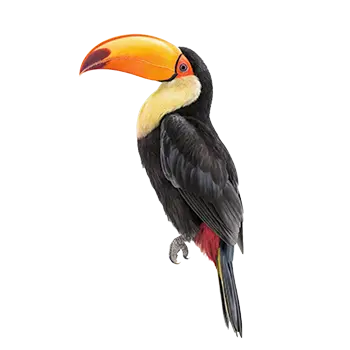

Determining when a toucan enters its senior years is not as straightforward as consulting a calendar. Unlike dogs or cats, where breed-specific age charts provide clear guidelines, avian aging varies considerably based on species, genetics, diet history, and overall care quality. For most toucan species kept in captivity, the transition into senior status generally begins around 15 to 18 years of age, though some individuals may show signs of aging earlier or later.
The onset of aging is typically gradual rather than sudden. Caretakers may first notice subtle changes such as a slight decrease in activity level, reduced interest in vigorous play, or a tendency to spend more time resting on favored perches. These changes can be easy to overlook because they develop slowly over weeks or months, but they represent the early signals that the bird's body is beginning to shift into a different physiological phase.
It is important to distinguish between normal age-related changes and signs of disease. A senior toucan that is slightly less active but maintains a healthy appetite, stable weight, and bright demeanor is likely experiencing natural aging. In contrast, a bird of any age that shows sudden behavioral changes, significant weight loss, or dramatic shifts in activity level may be dealing with an illness that requires prompt veterinary attention.
Establishing a more frequent veterinary schedule as the bird enters its senior years allows for closer monitoring and earlier intervention when problems arise. Biannual examinations, rather than annual visits, provide more data points and reduce the chance that a developing condition will go undetected between appointments.