
Peak Health Maintenance

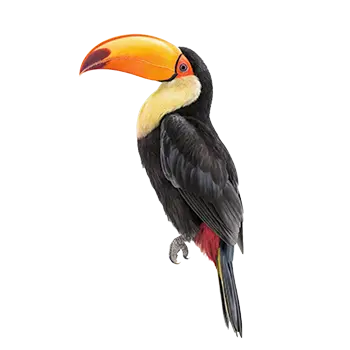
An adult toucan in its prime years is a striking, energetic bird that demands consistent care to maintain optimal health. Toucans generally reach full maturity between one and two years of age, and their prime years extend through roughly the first 15 years of life. During this period, the bird should be at its most vibrant, with glossy plumage, a brightly colored bill, clear eyes, and a lively disposition.

Routine health maintenance during the adult years centers on prevention rather than reaction. Annual veterinary examinations provide a baseline against which changes can be measured over time. These visits should include a thorough physical examination, blood work with particular attention to iron levels, fecal analysis, and assessment of body condition. Even a healthy-appearing bird can harbor subclinical disease that blood work or other diagnostics may reveal.

Daily observation by the caretaker is equally important. Familiarity with the bird's normal behavior, appetite, droppings, and activity level allows for early detection of subtle changes that might indicate a developing problem. Toucans are prey animals and instinctively mask signs of illness, so a change that seems minor may actually represent a significant health shift. Keeping a simple log of daily observations can help identify trends that might otherwise go unnoticed.

Weight management is a key component of adult health maintenance. Regular weigh-ins, conducted at the same time of day under consistent conditions, provide objective data on the bird's condition. An adult toucan that maintains a stable weight within the normal range for its species is generally receiving appropriate nutrition and exercise. Gradual weight gain or loss outside of breeding season warrants a dietary review and possibly a veterinary consultation.

Nutrition at Maturity

The dietary needs of an adult toucan are well-established but require ongoing diligence to maintain. The foundation of the diet remains a diverse selection of fresh, low-iron fruits supplemented with a high-quality, low-iron softbill pellet. Variety is important not only for nutritional balance but also for mental stimulation, as toucans enjoy exploring different textures, flavors, and colors in their food.

Fruit should comprise approximately 50 to 60 percent of the daily diet, with pellets making up most of the remainder. Recommended fruits include papaya, banana, blueberries, grapes, mango, melon, and figs. Each fruit offers a different nutritional profile, and rotating selections throughout the week helps ensure a broad spectrum of vitamins and minerals. Fruits should be served fresh, at room temperature, and removed before spoilage to prevent bacterial growth.

Insect protein remains a valuable dietary component for adult toucans, though the quantity can be reduced compared to the juvenile stage. Offering a small number of gut-loaded insects several times per week provides essential amino acids and satisfies the bird's natural insectivorous instincts. Live insects also serve as enrichment, encouraging the bird to hunt and catch its prey within the enclosure.

The threat of iron storage disease never diminishes and remains the single most important dietary consideration for captive toucans. Every food item offered to the bird should be evaluated for iron content, and any food with elevated iron levels must be excluded. Regular blood work to monitor serum iron and ferritin levels provides the data needed to adjust the diet proactively. A veterinarian specializing in avian medicine can help fine-tune the diet based on individual blood results and overall health status.

Exercise & Flight

Adult toucans are active birds that require daily opportunities for sustained flight and physical activity to maintain cardiovascular health, muscle tone, and psychological well-being. A sedentary toucan is a bird at risk for obesity, muscle atrophy, and behavioral problems stemming from frustration and boredom.

The ideal housing for an adult toucan provides enough space for extended horizontal flight. An outdoor aviary, weather permitting, offers the most natural exercise opportunity, combining flight space with exposure to natural sunlight and fresh air. Indoor birds should have access to a flight cage that allows at least several body lengths of uninterrupted flight path, supplemented by supervised out-of-cage time in a bird-safe room.

Beyond flight, physical enrichment through varied perching, climbing structures, and foraging activities contributes to overall fitness. Natural branches of different diameters and textures encourage foot exercise and prevent the pressure sores that can develop from standing on uniform surfaces. Swinging perches and rope elements add variety and challenge the bird's balance and coordination.

Monitoring the bird's body condition provides feedback on whether the exercise regimen is adequate. A healthy adult toucan should have a well-muscled breast with the keel bone palpable but not prominent. Birds that feel heavy or show fat deposits along the abdomen may need more exercise opportunities, a dietary adjustment, or both. Conversely, a bird that feels thin or has a prominent keel may be over-exercising relative to its caloric intake, or may have an underlying health issue requiring veterinary attention.

Preventive Health Care

Preventive care during the adult years builds on the foundation established during the juvenile period and focuses on maintaining health through regular monitoring, vaccination where applicable, and proactive management of species-specific risks. An annual veterinary examination is the minimum standard, though biannual visits are advisable for species particularly prone to iron storage disease or other chronic conditions.

Blood work should be performed at least annually and should include a complete blood count, serum chemistry panel, and iron panel. Tracking these values over time creates a health profile unique to the individual bird, making it easier to detect subtle deviations that could signal early disease. Fecal analysis for parasites and abnormal bacterial flora should accompany each veterinary visit.

Bill health is a concern specific to toucans and other large-billed species. The bill is a living structure with a blood supply and nerve endings, and it can be injured through trauma, develop cracks, or show signs of nutritional deficiency. Regular visual inspection of the bill for chips, discoloration, or abnormal growth patterns is an important part of routine care. Most bill issues are manageable when caught early but can become serious if neglected.

Environmental hygiene directly impacts disease prevention. Daily cleaning of food and water dishes, regular disinfection of perches and cage surfaces, and prompt removal of soiled bedding or substrate reduce pathogen exposure. Water quality is particularly important, as stagnant or contaminated water is a common source of bacterial and fungal infections. Fresh, clean water should be available at all times and replaced multiple times daily.

Behavioral Maturity

An adult toucan in its prime years typically exhibits a stable, well-defined personality. The boundary-testing and unpredictable energy of adolescence give way to more consistent behavioral patterns, though individual toucans retain their unique quirks and preferences. Understanding the behavioral norms for adult toucans helps caretakers provide appropriate enrichment and recognize when something is amiss.

Adult toucans are social birds that form strong bonds with their caretakers and, when housed in pairs or groups, with their avian companions. A bonded toucan will seek out interaction, vocalize in greeting, and may engage in mutual preening or food-sharing behaviors with a mate. Solo birds direct these social behaviors toward their human companions and may become distressed if their social needs are not met through regular, meaningful interaction.

Territoriality can emerge or intensify during the adult years, particularly around the enclosure, food stations, or favored perches. This is a natural behavior but should be managed in multi-bird households to prevent aggression and ensure all birds have access to resources. Providing multiple feeding stations, perches, and hiding spots reduces competition and allows subordinate birds to retreat if needed.

Stereotypic behaviors such as repetitive pacing, excessive preening, or feather damage may develop in adult toucans that are under-stimulated, socially deprived, or stressed. These behaviors are signals that the bird's environmental or social needs are not being adequately met. Addressing the root cause through enrichment enhancement, increased social interaction, or environmental modification is more effective than attempting to suppress the behavior itself. If stereotypic behaviors persist despite environmental improvements, a veterinary evaluation to rule out medical causes is warranted.

Feather & Bill Care

Maintaining healthy plumage and a sound bill are essential aspects of adult toucan care that directly affect the bird's comfort, thermoregulation, and overall quality of life. Unlike parrots, toucans do not produce significant feather dust, but they do require regular bathing opportunities and an environment that supports natural preening behavior.

Bathing is important for feather health and is an activity most toucans genuinely enjoy. Providing a shallow dish of lukewarm water or a gentle mist spray several times per week allows the bird to wet its feathers and preen them back into condition. Some toucans prefer to bathe in a dish, while others respond enthusiastically to a fine mist from a spray bottle. Observing the bird's preference and accommodating it encourages regular bathing.

Molting occurs at least once annually in adult toucans and is a natural process during which old feathers are shed and replaced by new growth. During the molt, the bird may appear slightly ragged and may be less active or more irritable than usual. Nutritional demands increase during molting, as feather production requires significant protein and energy. Ensuring adequate protein intake through insects and high-quality pellets supports healthy feather regrowth. A molt that seems excessively prolonged, patchy, or accompanied by bare skin may indicate a nutritional deficiency or health problem.

The bill requires minimal direct care in a healthy toucan but should be inspected regularly for signs of damage or abnormal growth. The bill's outer surface is composed of keratin, similar to human fingernails, and is continuously renewed through normal wear. Providing natural wood perches and hard food items helps maintain appropriate bill length and condition. If the bill appears overgrown, cracked, or shows unusual color changes, consult your avian veterinarian for an evaluation and guidance on any necessary corrective care.

Always consult a qualified professional before making any health-related decisions. This content is provided for informational reference only and should not replace professional guidance specific to your animal.