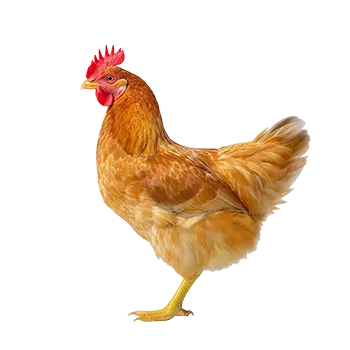

Serama chicks are among the tiniest hatchlings in the poultry world, and their diminutive size makes the first day of life an especially critical window. A newly hatched Serama typically weighs between 8 and 12 grams, roughly the weight of two teaspoons of water, and emerges from the egg covered in fine, damp down that dries into a soft, fluffy coat within a few hours. The chick will appear exhausted from the effort of pipping and zipping through the shell, and this is entirely normal. Allow the hatchling to rest undisturbed in the incubator or under the broody hen for the first several hours while it absorbs the remainder of its yolk sac and regains strength.
The yolk sac provides essential nutrition and hydration for the first 24 to 48 hours, so there is no need to rush food or water to a newly hatched Serama. Attempting to force early feeding can do more harm than good, as the chick's digestive system is still transitioning to external nutrition. If the chick hatched in an incubator, ensure the unit maintains a temperature of 99 to 100 degrees Fahrenheit with humidity around 65 to 70 percent until the chick is fully dried and active. Only after the down is completely fluffy and the chick is moving with some purpose should you consider transferring it to a brooder.
For chicks hatched under a broody hen, the hen manages temperature and early care instinctively, but Serama hens are themselves very small and may struggle to cover a large clutch effectively. Monitor the nest closely to confirm that all chicks are tucked securely beneath the hen and not pushed to the edges where they can chill rapidly. Because Seramas are so lightweight, even a mild draft or a brief exposure to cool air can cause a dangerous drop in body temperature.
During this initial period, observe each chick for signs of vitality. A healthy Serama hatchling will peep when handled, respond to warmth by settling quietly, and show a strong righting reflex if gently placed on its side. Any chick that remains limp, fails to vocalize, or shows discoloration around the navel area where the yolk sac was absorbed should be flagged for immediate veterinary attention. Navel infections in chicks this small can become systemic within hours.