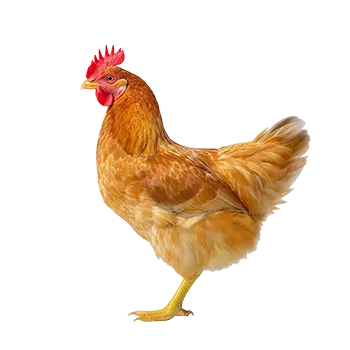

Successful Serama breeding begins with rigorous selection of breeding stock that embodies the qualities you wish to perpetuate and improve. The Serama breed standard emphasizes a compact, V-shaped body profile with an extremely upright carriage, a full breast pushed forward, wings held low and slightly ahead of the body line, and tail feathers carried high and close to the back of the head. Selecting birds that meet or approach this standard is the foundation of any serious breeding program, whether your goals are competitive exhibition, genetic preservation, or producing high-quality companion birds.
Evaluate potential breeding birds on multiple criteria beyond simple appearance. Physical health and vigor are non-negotiable prerequisites. A breeding bird should be free of chronic illness, have a history of clean fecal tests, display excellent feather condition, and demonstrate the breed's characteristic bold, confident temperament. Birds with histories of recurring health problems, poor feather quality, or nervous dispositions should not be used for breeding, as these traits have heritable components that will appear in the offspring.
Age is an important consideration when selecting breeders. Both roosters and hens reach sexual maturity between four and six months of age, but optimal breeding condition is typically achieved between eight months and three years. Very young birds may produce lower fertility rates, and their own physical development may be compromised by the demands of reproduction before they are fully mature. Birds over four years old may show declining fertility, reduced egg production, and increased risk of reproductive complications, though exceptional individuals can breed successfully beyond this age.
Pedigree knowledge, when available, adds significant value to breeding decisions. Understanding the lineage of your breeding stock helps predict which traits are likely to appear in the offspring and alerts you to potential genetic risks. The Serama gene pool carries several unique genetic factors, including the genes responsible for extreme miniaturization and the associated lethal gene complex, which every breeder must understand before producing offspring. Selecting birds with documented ancestry allows you to make informed mating decisions that maximize the expression of desirable traits while minimizing the risk of genetic problems.