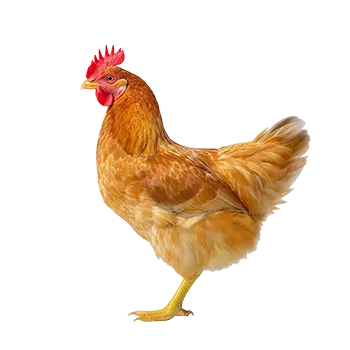

The adult Serama reaches full physical maturity between five and seven months of age, though some individuals continue to refine their musculature and plumage quality well into their second year. At maturity, the Serama is a study in compact proportion and bold presence. Adult males in the smallest class categories may weigh as little as 225 grams, while larger class birds can reach up to 540 grams. Despite their diminutive stature, adult Seramas carry themselves with an exaggerated upright posture, chest thrust forward and tail feathers swept high, that gives them a confident, almost regal bearing disproportionate to their size.
The adult years represent the period of peak vitality, typically spanning from around six months to approximately five or six years of age. During this time, the Serama's metabolic demands stabilize, its immune system is fully developed, and its behavioral repertoire is complete. Hens that are laying will produce eggs on a regular cycle, roosters will crow and court actively, and both sexes display the full range of social behaviors that make this breed such an engaging companion. The keeper's primary responsibilities during this stage shift from growth management to maintenance, enrichment, and preventive health care.
Understanding the Serama's tropical heritage remains essential throughout the adult years. This is a breed that evolved in the warm, humid climate of peninsular Malaysia and retains a strong preference for warmth. Adult Seramas tolerate moderate temperatures well but struggle when exposed to cold, damp, or drafty conditions for extended periods. Unlike cold-hardy breeds such as the Orpington or Plymouth Rock that carry dense, insulating plumage and substantial body mass, the Serama's thin feathering and minimal body fat provide almost no protection against low temperatures. Climate management is therefore a year-round consideration, not a seasonal one.
The adult Serama's personality is one of its most distinctive and appealing traits. These birds are remarkably interactive with their human caregivers, often seeking out attention, vocalizing in response to conversation, and displaying minimal fear of handling. Many keepers describe their Seramas as behaving more like small pet birds than typical poultry. This temperament, while largely genetic, is sustained and deepened through ongoing positive interaction. An adult Serama that receives regular handling, conversation, and environmental enrichment will remain tame and engaged throughout its prime years.