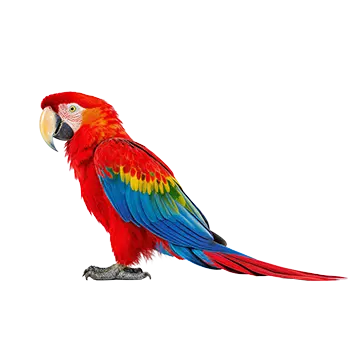

Scarlet Macaw chicks hatch after an incubation period of approximately 24 to 28 days, depending on environmental conditions and the individual hen's consistency in sitting the eggs. The hatchling emerges as a small, nearly helpless creature weighing between 15 and 20 grams, covered only in sparse white natal down. Its eyes are sealed shut, its limbs are weak, and it relies entirely on either its parents or a human caregiver for every aspect of survival. The transition from egg to open air is the most vulnerable period in the bird's entire life, and the decisions made in these first hours can determine whether the chick thrives or fails.
In a parent-raised clutch, the hen typically begins feeding the chick within a few hours of hatching. The crop milk and softened, regurgitated food she provides deliver essential nutrients, enzymes, and beneficial microorganisms that populate the chick's sterile digestive tract for the first time. This initial microbial colonization is significant for long-term digestive health and immune function. If the chick is to be hand-raised, the first feeding should be delayed until the yolk sac has been fully absorbed, which generally takes between eight and twelve hours after the hatch. Attempting to feed before absorption is complete risks digestive complications, including yolk sac infection.
The brooder must be prepared and stabilized well before the expected hatch date. Temperatures should be maintained between 96 and 99 degrees Fahrenheit with a relative humidity of 55 to 65 percent. Scarlet Macaw chicks are exceptionally sensitive to drafts and temperature drops during the first week, and even a brief period of chilling can suppress the immune system and slow crop motility. The brooder substrate should be soft, absorbent, and free of loose fibers or particles that the chick could ingest. Paper towels layered over a padded surface work well and allow for frequent, easy changes.
During the initial hours, observe the chick without excessive handling. A healthy Scarlet Macaw hatchling will exhibit a feeding response when the area around its beak is gently touched, its skin will appear pink and well-hydrated, and it will vocalize softly when stimulated. Any signs of cyanosis, a bluish or grayish discoloration of the skin, labored or open-mouthed breathing, or a complete absence of feeding response should be treated as emergencies requiring immediate veterinary attention.