
Recognizing the Senior Phase

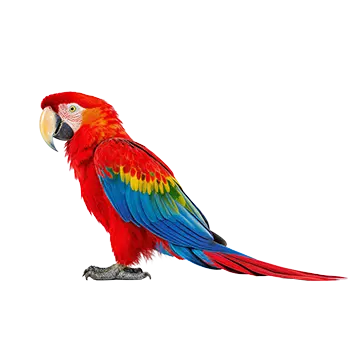
Determining when a Scarlet Macaw has entered its senior years is not as straightforward as it is with shorter-lived companion animals. With a potential lifespan of 50 to 75 years in captivity, the Scarlet Macaw may not show recognizable signs of aging until its late thirties or forties, and some individuals remain vigorous well into their fifties. The transition into the senior phase is gradual rather than abrupt, and the onset varies considerably depending on the bird's genetics, lifetime diet, veterinary care history, and overall living conditions. Understanding the markers of aging helps caregivers adjust their approach before age-related decline affects quality of life.

The earliest signs of aging in a Scarlet Macaw are often subtle changes in activity level and behavior. A bird that was once constantly in motion may begin spending more time resting on its preferred perch. Play sessions may be shorter, and the bird may show less interest in vigorous activities like climbing or wing-flapping exercises. These changes are not cause for alarm in isolation but should be noted and reported to the avian veterinarian as part of the ongoing health record. Decreased activity can also mask the onset of conditions like arthritis, cardiovascular disease, or early-stage organ dysfunction that are better treated when caught early.

Physical indicators of aging may include a gradual dulling of plumage color, changes in feather texture, a slight thickening or roughening of the beak surface, and the development of cataracts or other age-related eye changes. The feet may show signs of wear, with flattened plantar surfaces or the development of small calluses from decades of perching. Some senior Scarlet Macaws develop a slight tremor in the feet or head that, while concerning to observe, may be benign age-related change rather than neurological disease. Any new physical finding in a senior bird should be evaluated by a veterinarian to distinguish normal aging from treatable pathology.

Behavioral changes in the senior Scarlet Macaw can also include shifts in social preferences, altered vocalization patterns, and changes in sleep habits. A bird that was previously independent may become more clingy or demanding of attention, while a naturally affectionate bird may become less tolerant of handling. These shifts often reflect the bird's physical comfort and cognitive state rather than a change in its fundamental personality. Approach them with patience and adapt your interactions to accommodate the bird's evolving needs rather than expecting it to conform to the patterns of its younger years.

Nutritional Adjustments for Aging Birds

The nutritional needs of a senior Scarlet Macaw diverge from those of a young adult in important ways, and failing to adjust the diet as the bird ages can accelerate the progression of age-related conditions. Metabolic rate declines with age, which means the senior macaw requires fewer calories to maintain its weight but still needs adequate protein, vitamins, and minerals to support organ function, immune competence, and tissue repair. Overfeeding a less active senior bird is a common mistake that leads to obesity, fatty liver disease, and increased cardiovascular strain.

Continue offering a high-quality pellet as the dietary foundation, but consider transitioning to a formulation designed for senior or maintenance birds if one is available from your preferred manufacturer. These formulations typically have a modestly reduced fat content and may include additional antioxidants, omega-3 fatty acids, and joint-supporting nutrients. If a senior-specific pellet is not available, the standard adult formulation remains appropriate, but total daily food volume should be calibrated to the bird's actual caloric expenditure rather than to the amounts consumed during its more active years.

Increase the proportion of vegetables in the diet relative to fruits and nuts. Vegetables are nutrient-dense and relatively low in calories, making them ideal for a bird whose energy needs have decreased. Emphasize foods rich in vitamin A and its precursors, as vitamin A deficiency is one of the most common nutritional problems in captive parrots and contributes to respiratory infections, poor feather quality, and impaired immune function. Sweet potatoes, carrots, red peppers, and dark leafy greens are excellent choices. Lightly steaming harder vegetables can make them easier for a senior bird with reduced beak strength to consume.

Calcium metabolism becomes increasingly important in senior Scarlet Macaws, particularly in hens that may have a history of egg-laying. Age-related changes in the parathyroid gland and kidneys can impair calcium regulation, and chronic low-grade calcium deficiency can lead to osteoporosis, pathological fractures, and seizures. Ensure a cuttlebone or mineral block is always available, and discuss calcium and vitamin D3 supplementation with your avian veterinarian based on the bird's bloodwork. Some senior birds benefit from a calcium-enriched food such as a small amount of plain, low-fat yogurt offered several times per week, though dairy products should be used judiciously and only with veterinary approval.

Hydration deserves increased attention in the senior macaw. Aging kidneys may be less efficient at concentrating urine, and some senior birds drink less water than they need, particularly if joint stiffness makes it uncomfortable to reach the water dish. Ensure fresh water is available at multiple accessible locations, and consider adding water-rich foods such as cucumber, watermelon, and soaked pellets to the diet to increase total fluid intake.

Common Age-Related Health Conditions

Senior Scarlet Macaws are susceptible to a range of age-related health conditions that benefit from early detection and proactive management. While avian geriatric medicine is a developing field, the most commonly encountered conditions in aging large parrots are well-characterized, and effective management strategies exist for many of them. The key to positive outcomes is the combination of regular veterinary monitoring, detailed caregiver observation, and a willingness to adapt the bird's environment and care routine as its medical needs evolve.

Atherosclerosis is one of the most significant health concerns in aging macaws. This condition involves the progressive buildup of fatty deposits within the walls of blood vessels, narrowing the arterial lumen and reducing blood flow to vital organs. In parrots, atherosclerosis is common and often advanced by the time it is detected, because clinical signs, including lethargy, exercise intolerance, respiratory difficulty, and sudden collapse, typically do not appear until the disease is severe. Risk factors include a lifetime of high-fat diet, obesity, inactivity, and possibly genetic predisposition. Prevention through lifelong dietary management is far more effective than treatment, but for birds already diagnosed, dietary modification, increased activity where tolerable, and veterinary-prescribed medications may slow progression.

Arthritis and degenerative joint disease affect many senior parrots, particularly in the feet, hock joints, and spine. A macaw that has spent decades gripping perches develops cumulative wear on the joints and soft tissues of its feet, and this wear can progress to painful arthritis that limits mobility and perching ability. Signs include reluctance to step up, shifting weight from one foot to the other, difficulty gripping, and spending more time on flat surfaces rather than round perches. Treatment may include anti-inflammatory medications prescribed by an avian veterinarian, environmental modifications to reduce joint stress, and physical therapy techniques such as gentle foot exercises.

Hepatic disease, including hepatic lipidosis and chronic liver inflammation, is common in senior parrots with a history of suboptimal diet. The liver is responsible for metabolizing fats, synthesizing proteins, and detoxifying the blood, and chronic dietary stress can lead to progressive liver damage that manifests as changes in beak and nail color, altered droppings, weight loss, and lethargy. Blood chemistry panels are essential for monitoring liver function in senior birds, and early intervention through dietary correction and veterinary-prescribed liver support therapies can significantly slow disease progression.

Renal disease becomes more prevalent with age and may present as increased thirst, changes in urate color or consistency, weight loss, and general malaise. Kidney function should be monitored through regular blood chemistry panels, with particular attention to uric acid levels and the phosphorus-to-calcium ratio. Cataracts and other age-related vision changes can also develop in senior Scarlet Macaws, affecting the bird's ability to navigate its environment, locate food, and interact confidently with its surroundings. A bird suspected of developing vision loss should have its enclosure modified to reduce fall risk and ensure all essential resources are easily accessible without requiring precise visual navigation.

Enclosure Modifications for Comfort

As the Scarlet Macaw ages, its enclosure must evolve to accommodate declining mobility, reduced grip strength, and increased need for comfort and accessibility. Modifications that would be unnecessary for a vigorous young bird become essential for maintaining the senior macaw's safety, independence, and quality of life. The goal is to allow the bird to continue engaging with its environment and daily activities with minimal physical strain and no risk of injury from falls or other enclosure-related hazards.

Perch placement is the most immediately impactful modification for a senior macaw. Lower all perches so that the bird does not need to climb to extreme heights, reducing the risk of serious injury from a fall. A senior bird with arthritis or weakened grip may lose its footing during sleep, and a fall from the top of a tall cage can cause fractures, concussions, or internal injuries. Position the primary sleeping perch no higher than midway up the cage, and place a padded surface or low platform beneath it to cushion any overnight falls.

Perch diameter and texture should be adjusted to reduce foot strain. Replace thin, hard perches with wider, softer options that distribute the bird's weight across a greater surface area of the foot. Flat platform perches, heated perches designed for avian use, and perches wrapped in self-adhesive veterinary bandage material provide comfortable resting surfaces that reduce pressure on arthritic joints. Rope perches can be used if the bird does not chew and ingest the fibers, as their flexibility allows the foot to grip naturally without rigid pressure points.

Food and water accessibility must be evaluated through the lens of the senior bird's physical capabilities. If the bird has difficulty reaching dishes mounted at standard heights, lower them or provide additional stations at the bird's preferred resting level. Wide, stable dishes that the bird cannot tip over are preferable to narrow or deep containers that require the bird to stretch or balance awkwardly. Some senior macaws benefit from dishes that are partially filled with a shallow layer of food, making it easier to access individual items without digging through a full bowl.

Lighting adjustments can benefit senior birds, particularly those developing cataracts or other vision changes. Ensure the enclosure is well-lit during active hours with full-spectrum lighting that includes the UVA and UVB wavelengths birds need for vitamin D3 synthesis and normal visual function. Avoid harsh direct lighting that creates stark shadows, as a bird with declining vision may be startled or disoriented by abrupt transitions between light and dark areas. Night lighting should remain minimal to preserve the bird's sleep cycle, but a very dim night light near the sleeping perch can help a vision-impaired bird orient itself if it awakens during the night.

Cognitive Enrichment & Social Needs

Cognitive function in senior Scarlet Macaws can decline with age, manifesting as slower learning of new tasks, reduced problem-solving engagement, repetitive behaviors, or apparent confusion in familiar settings. While cognitive decline is a natural aspect of aging, consistent mental stimulation can slow its progression and help the senior bird maintain alertness, social engagement, and interest in its surroundings. Just as physical exercise supports the aging body, mental exercise supports the aging brain, and caregivers should view cognitive enrichment as an essential component of senior macaw care rather than an optional addition.

Continue offering foraging enrichment but adjust the difficulty level to match the bird's current capabilities. A senior bird that struggles with complex puzzle feeders may become frustrated and disengage entirely, which is counterproductive. Instead, offer foraging tasks at a level the bird can complete successfully, providing the reward of accomplishment without the stress of repeated failure. Simple wraps of paper around treats, food items partially hidden under cups, or items threaded onto easily accessible skewers keep the bird mentally engaged without overwhelming its diminished dexterity or patience.

Maintain training sessions with the senior macaw, adapting the content to the bird's abilities and preferences. Older birds may not learn new complex behaviors as readily as they once did, but they often retain and enjoy performing previously learned tricks and commands. Regular practice of familiar behaviors reinforces neural pathways, provides positive social interaction, and gives the bird a sense of purpose and routine. If the bird develops physical limitations that prevent it from performing certain behaviors, modify or replace them with alternatives that accommodate its current condition.

Social interaction remains critically important for senior Scarlet Macaws and may need to increase rather than decrease as the bird ages. A senior bird that is less physically active may compensate by seeking more social contact, and withdrawing attention because the bird is less entertaining or less active can trigger depression, feather destructive behavior, or excessive vocalization. Spend quiet time with the senior macaw, offering head scratches, talking to it, and simply being present in the same room. The bird's need for companionship does not diminish with age; in many cases, it deepens.

Watch for signs of cognitive dysfunction that go beyond normal aging. A bird that appears repeatedly disoriented in its familiar cage, that fails to recognize long-familiar people, that develops sudden, uncharacteristic phobias, or that exhibits persistent, purposeless repetitive behaviors may be experiencing cognitive decline that warrants veterinary evaluation. While treatment options for avian cognitive dysfunction are limited, environmental modifications, dietary supplementation with omega-3 fatty acids and antioxidants, and increased social support can all help manage the condition and maintain the bird's quality of life.

Veterinary Care for the Senior Macaw

Veterinary care for the senior Scarlet Macaw should transition from an annual schedule to semi-annual examinations, with additional visits as specific health concerns arise. The increased frequency of monitoring reflects the accelerated rate at which age-related conditions can develop and progress in older birds. What might be a slowly evolving trend in a younger bird can become an acute crisis in a matter of weeks in a geriatric macaw, making regular veterinary oversight more critical than at any other life stage.

Each semi-annual examination should include a thorough physical assessment with particular attention to body condition, foot health, beak condition, respiratory function, and cardiovascular status. A complete blood count and comprehensive serum biochemistry panel provide essential data on organ function, and comparing these results to the bird's historical baseline allows the veterinarian to detect subtle trends before they manifest as clinical symptoms. Pay particular attention to liver enzymes, kidney values, uric acid levels, total calcium, and cholesterol, all of which can shift with age-related disease.

Radiographic evaluation becomes increasingly important for senior macaws. Chest radiographs can reveal cardiac enlargement, arterial calcification, hepatomegaly, and other structural changes that are not detectable on physical examination alone. Some avian veterinarians recommend annual radiographic screening for birds over thirty years of age, while others reserve imaging for birds showing clinical signs or blood chemistry changes. Discuss the appropriate imaging schedule with your veterinarian based on your bird's individual risk profile and health history.

Medication management is a common feature of senior macaw care, and caregivers should be prepared for the possibility that their bird will require daily medications to manage chronic conditions. Administering oral medications to a large macaw can be challenging, and your veterinarian can advise on techniques ranging from mixing medications with a small amount of a favored food to direct oral administration via syringe. Consistency in medication timing and dosing is essential for therapeutic efficacy, and maintaining a medication log helps ensure no doses are missed.

End-of-life planning, while an emotionally difficult topic, should be discussed with your avian veterinarian while the bird is still relatively stable. Understanding the trajectory of any diagnosed conditions, the available treatment options at each stage, and the criteria by which quality of life should be assessed allows the caregiver to make informed, compassionate decisions when the time comes rather than facing these choices in a crisis. Many avian veterinarians are willing to discuss advance care directives for their geriatric patients, including the caregiver's wishes regarding hospice care and humane euthanasia.

Emotional Well-Being in the Golden Years

The emotional landscape of a senior Scarlet Macaw is shaped by decades of accumulated experience, deeply established bonds, and the gradual physical changes that can alter the bird's relationship with its environment and its people. These birds are capable of profound emotional depth, and a macaw that has lived with the same family for thirty or forty years has formed attachments that rival the closest human relationships. Honoring those bonds during the bird's declining years is not merely a matter of good husbandry; it is a moral obligation to a sentient being that has given decades of companionship.

Senior macaws often develop increased sensitivity to changes in their environment and social circle. The loss of a bonded companion, whether human or avian, can trigger grief responses that include loss of appetite, withdrawal, excessive vocalization, feather destructive behavior, and general depression. These responses are genuine emotional reactions, not mere behavioral artifacts, and they require compassionate management. Provide extra social contact, maintain the bird's routine as closely as possible, and consult your avian veterinarian if the grief response persists beyond a few weeks or results in significant weight loss or self-harm.

Adapting the bird's social routine to its physical limitations demonstrates respect for its aging body while maintaining the engagement it needs. If a senior macaw can no longer climb to its favorite perch on the play stand, bring the interaction to the bird rather than expecting the bird to come to you. Offer lap time, table-top play sessions, and gentle grooming interactions that require minimal physical exertion from the bird. Some senior macaws develop a preference for simply sitting close to their favored person, content with proximity and calm companionship rather than the active play and training that characterized their younger years.

Maintain the bird's sense of agency wherever possible. A senior macaw that is still offered choices, the ability to decide when to come out of the cage, which foods to eat first, whether to engage in play or rest, retains a measure of control over its daily life that is important for psychological well-being. Avoid the temptation to over-manage the aging bird out of a well-intentioned desire to protect it, as excessive restriction can create anxiety and learned helplessness. The balance between safety and autonomy shifts with the bird's condition, but the principle of respecting the bird's preferences and allowing it meaningful choices should guide care decisions throughout the senior phase.

Finally, recognize that caring for a geriatric macaw can be emotionally demanding for the caregiver as well. Watching a beloved companion age and decline is difficult, and the anticipatory grief that accompanies this process is a normal human response. Seek support from avian communities, friends, and family members who understand the depth of the bond between a person and their macaw. Taking care of your own emotional health equips you to provide the patient, compassionate care that your senior Scarlet Macaw deserves in its final chapter.

Always consult a qualified professional before making any health-related decisions. This content is provided for informational reference only and should not replace professional guidance specific to your animal.