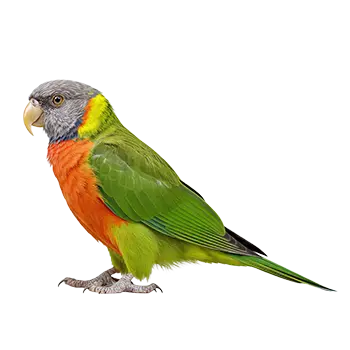

The juvenile phase of the red-bellied parrot begins around the time of weaning, typically between 10 and 14 weeks of age, and extends through the first year and into early maturity. During this period, the bird undergoes significant physical changes as it transitions from a dependent chick into a fully feathered young parrot. Flight feathers reach their full length, the body fills out, and the bird develops the coordination and muscle strength needed for confident flight and climbing.
One of the most notable physical developments during this stage is the progression of adult plumage. Juvenile red-bellied parrots have more subdued coloring compared to mature adults, and sexual dimorphism in plumage begins to emerge. Males develop the distinctive orange-red belly patch more prominently, while females retain a more greenish tone in that area. The full adult coloration may not be complete until the bird is well over a year old, and some subtle color changes continue even beyond that.
Weight should stabilize during the juvenile phase after the growth spurts of the newborn period. Regular weighing remains an important health monitoring tool, as unexpected weight loss or failure to maintain a stable weight can indicate illness, stress, or nutritional deficiency. A healthy juvenile red-bellied parrot will be active, alert, and steadily refining its motor skills.
The beak and nails continue to grow and harden throughout this stage. Providing appropriate chewing materials and perches of varying diameters supports natural beak maintenance and foot health. If the beak or nails become overgrown, an avian veterinarian can provide proper trimming and assess whether an underlying nutritional issue may be contributing.