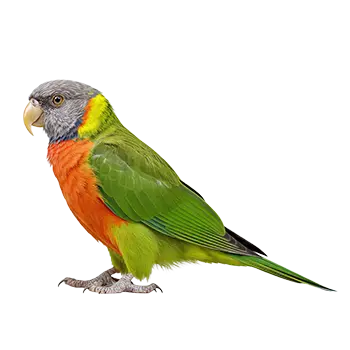

Red-bellied parrots reach sexual maturity at approximately two to three years of age, though responsible breeders typically wait until birds are at least three years old before allowing breeding to ensure full physical and behavioral maturity. Premature breeding can result in complications for the hen, lower fertility rates, and less robust offspring. Both the male and female should be in excellent health, at a stable weight, and free of any chronic medical conditions before breeding is considered.
A thorough pre-breeding veterinary examination is essential for both birds in the pair. This evaluation should include blood work to assess organ function and nutritional status, testing for common avian diseases such as Psittacine Beak and Feather Disease and Polyomavirus, and a physical examination to confirm overall fitness. Any health concerns should be fully resolved before breeding proceeds, as the physical demands of egg production and chick rearing place significant stress on the birds' bodies.
Pair compatibility is a critical factor that is sometimes overlooked by novice breeders. Red-bellied parrots are not a species where any male and female can simply be placed together and expected to bond. Pair formation should be a gradual process that begins with housing the birds in adjacent cages where they can see and hear each other without physical contact. Signs of mutual interest include spending time near each other at the cage boundary, feeding behaviors directed toward the other bird, and soft vocalizations. Aggression or persistent avoidance indicates incompatibility.
The breeding environment should be established well in advance of the breeding season. A quiet, low-traffic area of the home with consistent lighting and temperature provides the stability that breeding pairs require. Stress from environmental disruptions, loud noises, or frequent disturbances by people or other animals can prevent successful breeding or cause the pair to abandon eggs or chicks.