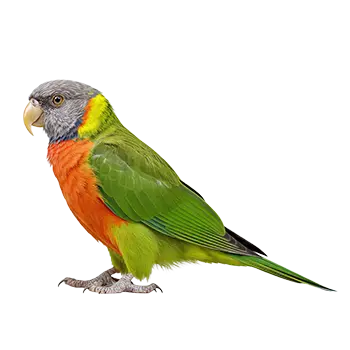

A red-bellied parrot reaches full physical maturity at approximately two to three years of age, and the adult years represent the longest and most stable phase of the bird's life. During this period, the bird's plumage is at its most vibrant, energy levels are consistent, and the immune system is at its strongest. Maintaining peak health requires a proactive approach that combines proper nutrition, regular veterinary care, and attentive daily observation.
Annual wellness examinations with an avian veterinarian are the cornerstone of preventive health care for adult red-bellied parrots. These visits typically include a physical examination, weight check, blood work, and fecal analysis. Bloodwork panels can detect early signs of liver or kidney problems, nutritional deficiencies, and infectious diseases before clinical symptoms appear. Establishing baseline values during the healthy adult years makes it much easier to identify deviations later in life.
Daily health monitoring at home is equally important. Observant owners learn to recognize their bird's normal behavior, activity patterns, appetite, and droppings. Any persistent changes in these areas can be early indicators of illness. Red-bellied parrots, like most parrot species, are skilled at masking signs of sickness as an evolutionary survival strategy, so even subtle changes should be taken seriously.
Maintaining a consistent daily routine supports both physical and psychological health. Red-bellied parrots thrive on predictability, and sudden changes in schedule, environment, or household composition can trigger stress-related health issues. When changes are unavoidable, introducing them gradually and providing extra reassurance helps the bird adapt.