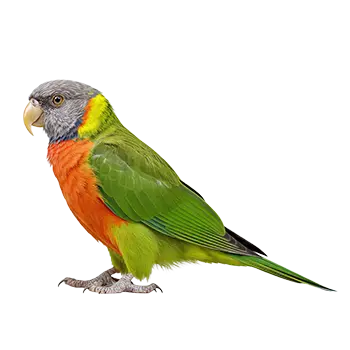

Recognizing when a red-bellied parrot is approaching the end of its life requires honest observation and a willingness to see beyond what we hope for. The signs of terminal decline may develop gradually over weeks or months, or they may appear relatively suddenly depending on the underlying cause. In either case, understanding what to look for helps owners make informed, compassionate decisions about their bird's care.
Persistent and progressive weight loss is one of the most common indicators that a parrot's health is in serious decline. While weight fluctuations are normal throughout life, a bird that continues to lose weight despite adequate food availability and veterinary intervention is often signaling that its body can no longer maintain itself. Muscle wasting, particularly visible along the keel bone, is a related sign that becomes apparent as the condition progresses.
Behavioral withdrawal is another significant indicator. A red-bellied parrot that was once interactive, curious, and engaged with its environment may begin to spend increasing amounts of time sitting quietly with feathers fluffed, showing little interest in food, toys, or human interaction. While illness at any age can produce similar symptoms, persistent withdrawal in an older or chronically ill bird often reflects a deeper decline that treatment may not be able to reverse.
Changes in breathing pattern, including labored or open-mouth breathing, tail bobbing at rest, and audible respiratory sounds, indicate serious respiratory compromise. Similarly, a bird that can no longer perch securely, falls frequently, or remains on the cage floor may be experiencing neurological decline or severe weakness. These signs warrant immediate veterinary assessment to determine whether the condition is treatable or whether the bird is entering a terminal phase.