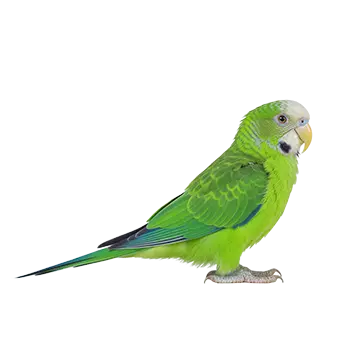

Determining when a Quaker Parrot enters its senior years is not as straightforward as consulting a simple chart. With a lifespan that can range from 20 to 30 years in captivity, most avian veterinarians consider a Quaker Parrot to be entering its senior stage around 15 to 18 years of age, though individual genetics, diet, and quality of lifelong care can shift this threshold in either direction.
The transition into seniority is typically gradual rather than sudden. Owners may notice subtle changes in activity level, sleeping patterns, or appetite before any outward physical signs become apparent. A bird that once played vigorously for hours may begin to rest more frequently during the day, or a previously voracious eater may become more selective about its food. These incremental shifts are the body's natural response to aging and signal the need for adjusted care.
It is important not to dismiss behavioral changes as simply the bird slowing down with age. While some decline in energy and activity is expected, sudden or dramatic changes in behavior, appetite, or physical condition may indicate an underlying medical issue that requires prompt veterinary attention. Senior birds are more vulnerable to disease, and early detection is the most powerful tool available for managing age-related conditions.
Once you recognize that your Quaker Parrot has entered its senior years, shifting your approach from maintenance to proactive geriatric care will help maximize both the length and quality of the bird's remaining life. More frequent veterinary visits, dietary adjustments, and environmental modifications form the foundation of compassionate senior care.