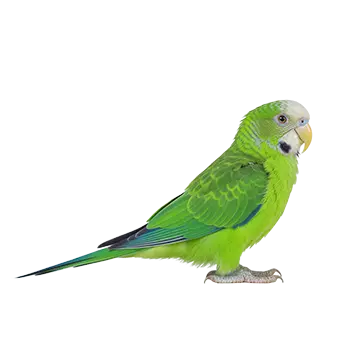

Quaker Parrots are remarkably adept at masking illness and discomfort, an instinct inherited from their wild ancestors for whom showing weakness meant attracting predators. By the time a Quaker Parrot displays obvious signs of decline, the underlying condition may already be well advanced. This makes attentive, daily observation absolutely critical for owners of aging or chronically ill birds, as subtle changes often precede visible deterioration by weeks or even months.
Common signs that a Quaker Parrot may be approaching the end of its life include progressive weight loss that does not respond to dietary intervention, persistent lethargy, loss of interest in food and social interaction, and a noticeable decline in vocalization. A bird that was once chatty and engaged but has become quiet and withdrawn is communicating something important about its condition. Changes in droppings, including altered color, consistency, or frequency, can also signal organ failure or systemic decline.
Physical indicators may include a ruffled or unkempt appearance as the bird loses the energy to preen, labored or open-mouthed breathing, difficulty perching or maintaining balance, and visible swelling or masses. The bird may spend increasing amounts of time on the cage floor rather than on perches, a significant behavioral change that often indicates pain, weakness, or neurological impairment.
Consult your avian veterinarian promptly when you notice these signs. Some conditions that mimic end-of-life decline are actually treatable, and a veterinary assessment can clarify whether the bird's condition is manageable, stable, or terminal. This information is essential for making informed decisions about the bird's care going forward.