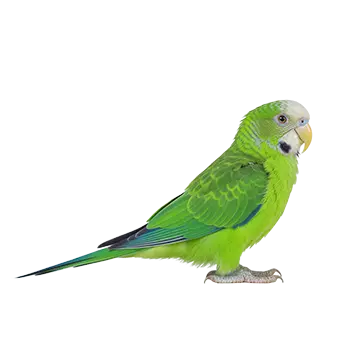

Quaker Parrots typically reach sexual maturity between one and two years of age, though physical readiness does not necessarily equate to breeding readiness. Responsible breeders wait until both the male and female are at least two years old and in excellent health before allowing breeding to proceed. Breeding birds that are too young, underweight, or in poor health significantly increases the risk of complications for both the hen and the chicks.
Before any breeding attempt, both birds should receive a thorough veterinary examination that includes blood work, disease testing, and a physical assessment. Testing for Psittacine Beak and Feather Disease, Polyomavirus, and Chlamydiosis is essential to prevent passing infectious diseases to offspring. The veterinarian can also assess body condition and confirm that the hen's calcium stores and overall nutritional status are adequate to support the demands of egg production and incubation.
Sexing Quaker Parrots visually is unreliable, as males and females are monomorphic, meaning they look identical. DNA sexing through a blood or feather sample is the standard method for confirming the sex of each bird. Surgical sexing is an older method that carries more risk and is generally no longer recommended when DNA testing is readily available.
Pair compatibility is another important consideration. Quaker Parrots are social birds, but not every male and female pair will bond successfully. Introduce potential breeding pairs gradually, allowing them to become accustomed to each other's presence through side-by-side caging before sharing a space. Signs of successful pair bonding include mutual preening, feeding each other, sitting close together, and vocalizing in tandem. Persistent aggression between the birds indicates incompatibility, and forcing the pairing can result in serious injury.