
Peak Health Maintenance

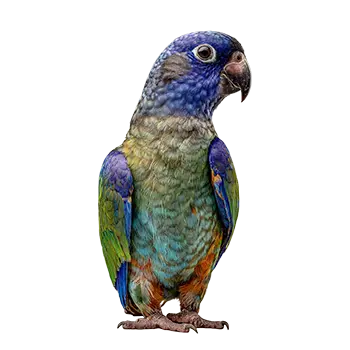
The adult Blue-headed Pionus reaches full physical and behavioral maturity between two and four years of age, entering a long prime period that can last well into its twenties or beyond with proper care. During these years, the bird displays its full adult plumage, featuring the striking cobalt blue head that gives the species its common name, rich green body feathers, and the characteristic red undertail coverts shared by all Pionus species.

Maintaining peak health during the adult years requires a proactive approach rather than a reactive one. Annual wellness examinations with an avian veterinarian should be considered the minimum standard of care, and biannual checkups are preferred. These visits allow your veterinarian to establish and track baseline blood values, weight trends, and physical condition, making it far easier to detect subtle changes that could indicate the early stages of disease.

Blue-headed Pionus parrots are predisposed to certain health conditions that warrant particular vigilance during the adult years. Aspergillosis remains a concern throughout the bird's life, and maintaining excellent air quality in the home is a key preventive measure. Avoid scented candles, aerosol sprays, nonstick cookware fumes, and tobacco smoke, all of which can damage the avian respiratory system. Additionally, obesity is a common problem in captive Pionus parrots and contributes to a range of secondary health issues including fatty liver disease and cardiovascular problems.

At home, daily observation is your most powerful health monitoring tool. Familiarize yourself with your bird's normal appearance, behavior, droppings, appetite, and vocalizations so that any deviation from baseline stands out immediately. Birds are adept at masking signs of illness, an evolutionary survival strategy, so subtle changes often precede obvious symptoms by days or even weeks.

Nutrition at Maturity

A well-balanced adult diet is the cornerstone of long-term health for the Blue-headed Pionus. The foundation of the diet should consist of a high-quality formulated pellet appropriate for medium-sized parrots, making up approximately 60 to 70 percent of the total daily intake. Pellets provide balanced nutrition and eliminate the selective eating habits that are common when seed-based diets are offered as the primary food source.

Fresh vegetables and leafy greens should comprise a significant portion of the remaining diet. Dark leafy greens such as kale, Swiss chard, dandelion greens, and collard greens are excellent choices, along with vegetables like sweet potato, bell peppers, carrots, broccoli, and snap peas. Fruits should be offered in moderation due to their sugar content, with nutrient-dense options like berries, papaya, and pomegranate being preferred over high-sugar fruits.

Seeds and nuts should be treated as supplemental items or training rewards rather than dietary staples. Blue-headed Pionus parrots have a tendency to gain weight easily, and high-fat foods contribute directly to obesity and related health problems. A small amount of healthy fats from sources like walnuts, almonds, or flaxseed is beneficial, but these items should be measured and offered in controlled quantities.

Cooked whole grains, legumes, and sprouted seeds add valuable variety and nutrition. Quinoa, brown rice, lentils, and mung bean sprouts are all well-accepted by most Pionus parrots and provide plant-based protein, fiber, and micronutrients. Always remove uneaten fresh foods within a few hours to prevent bacterial contamination, and ensure clean, fresh water is available at all times.

Exercise & Enrichment

The adult Blue-headed Pionus requires consistent physical activity and mental stimulation to maintain both physical fitness and psychological well-being. In the wild, parrots spend the majority of their waking hours engaged in flight, foraging, social interaction, and environmental exploration. Captive birds that lack adequate outlets for these natural behaviors are at significantly higher risk for obesity, feather-destructive behavior, and other stress-related conditions.

Daily out-of-cage time in a bird-safe environment is essential, with a minimum of two to three hours recommended for healthy adult birds. A dedicated play area equipped with perches, ladders, swings, and a variety of toys gives the bird a stimulating space for exercise and exploration. If safe indoor flight is possible, it represents the ideal form of exercise and should be encouraged. Supervise all out-of-cage time to prevent accidents involving ceiling fans, open windows, toxic plants, or other household hazards.

Foraging enrichment deserves special emphasis in the adult Pionus's daily routine. Rather than presenting all food in an easily accessible bowl, incorporate foraging opportunities that require the bird to work for portions of its diet. Wrap food in untreated paper, hide items inside foraging toys, or scatter food on a clean surface to encourage natural searching and manipulating behaviors. This type of enrichment occupies the bird's mind, reduces boredom, and helps prevent the overconsumption that contributes to weight gain.

Rotate toys and enrichment items regularly to maintain novelty and interest. Include a variety of textures and materials, such as untreated wood for chewing, leather strips for pulling, acrylic puzzle toys for problem-solving, and shreddable items like palm leaves or paper for destruction. Observe which types of enrichment your individual bird prefers and adjust accordingly, while still introducing new challenges to promote cognitive flexibility.

Preventive Health Care

A structured preventive health care program is essential for maximizing the lifespan and quality of life of the adult Blue-headed Pionus. Annual veterinary examinations should include a thorough physical assessment, a complete blood count, and a basic blood chemistry panel. These diagnostics provide a comprehensive picture of the bird's internal health and allow for the early detection of organ dysfunction, nutritional imbalances, or metabolic disease before clinical symptoms appear.

Parasite screening, including tests for internal parasites and external parasites such as mites, should be part of the routine wellness protocol. While indoor-only companion birds are at lower risk than aviary or outdoor birds, exposure through food, substrate materials, or contact with other animals is still possible. Chlamydiosis screening may be recommended on a periodic basis, particularly if the bird is exposed to other birds or bird-related environments.

Nail, beak, and wing maintenance should be addressed as needed. Providing a variety of perch textures, including rough or concrete-style perches, helps naturally maintain nail length and foot health. Beak overgrowth can indicate nutritional deficiency or liver problems and should always be evaluated by a veterinarian rather than simply trimmed at home. Wing clipping is a personal choice that should be made in consultation with your avian veterinarian based on your individual bird's safety needs and living environment.

Bathing and feather care are ongoing preventive measures that support skin and plumage health. Many Blue-headed Pionus parrots enjoy regular misting or shallow bathing, and these opportunities should be offered several times per week. Bathing helps maintain feather condition, promotes natural preening behavior, and supports skin hydration. Avoid using any soaps, oils, or feather-conditioning products unless specifically directed by your avian veterinarian.

Behavioral Maturity

By the time the Blue-headed Pionus reaches full adulthood, its core personality is well established. This species is widely regarded as one of the more easygoing and manageable medium-sized parrots, known for its gentle disposition, moderate noise level, and relatively even temperament. However, adult birds are not without behavioral complexity, and understanding the nuances of mature Pionus behavior is important for maintaining a harmonious relationship.

One-person bonding is a common trait in adult Pionus parrots. While this deep attachment to a preferred person can be endearing, it can also lead to jealousy, mate-guarding behaviors, or aggression toward other household members. Continued socialization with multiple people, consistent handling by different family members, and positive reinforcement for cooperative behavior with everyone in the household help mitigate these tendencies.

Hormonal behavior becomes a regular seasonal occurrence in adult Pionus parrots, typically triggered by increasing day length in spring. Hormonal birds may become more territorial, nippy, or vocal, and may engage in regurgitation, nesting-seeking behavior, or egg laying in females. Managing hormonal triggers through environmental adjustments is important. Ensure the bird receives no more than 10 to 12 hours of light per day, remove potential nesting sites, avoid warm and enclosed spaces, and limit access to perceived mates or mate-substitute objects.

Maintaining a consistent daily routine provides the adult Pionus with the predictability and security it thrives on. Parrots are creatures of habit, and sudden changes to their schedule, environment, or social dynamics can trigger stress responses including feather plucking, screaming, or withdrawal. When changes are necessary, introduce them gradually and with positive reinforcement to help the bird adapt comfortably.

Feather & Grooming Care

Feather health is both a reflection of overall physical condition and a priority in its own right for the adult Blue-headed Pionus. The bird will undergo a complete molt at least once per year, typically in late summer or early fall, during which worn feathers are replaced with fresh growth. Molting is energetically demanding, and the bird's nutritional needs increase during this period. Supplementing the diet with additional protein sources, such as cooked egg or legumes, and ensuring adequate intake of vitamins and minerals supports healthy feather regrowth.

During the molt, the bird may be more irritable, less active, and may scratch or preen more frequently as new pin feathers emerge. These developing feathers are encased in a keratin sheath and are sensitive to the touch, particularly on the head and neck where the bird cannot reach to preen them itself. Gently helping to break open the sheaths of mature pin feathers on the head is often appreciated by the bird and strengthens the pair bond between bird and owner.

Feather-destructive behavior, including plucking, barbering, or over-preening, is one of the most challenging issues in companion parrot care. While Blue-headed Pionus parrots are somewhat less prone to this behavior than some other species, it can occur in response to medical issues, environmental stress, boredom, hormonal fluctuations, or nutritional deficiencies. Any onset of feather-destructive behavior should prompt a thorough veterinary examination to rule out medical causes before addressing potential behavioral or environmental factors.

Regular bathing or misting supports overall feather and skin health. Provide bathing opportunities at least two to three times per week using clean, lukewarm water. Some birds prefer a shallow dish, while others enjoy a gentle spray from a misting bottle. Bathing encourages natural preening behavior, keeps feathers clean and properly aligned, and helps maintain the powder-down system that contributes to the characteristic sheen of healthy Pionus plumage.

Always consult a qualified professional before making any health-related decisions. This content is provided for informational reference only and should not replace professional guidance specific to your animal.