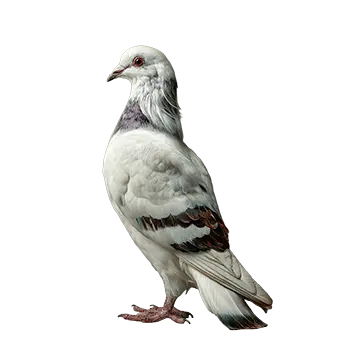

Recognizing the Senior Stage

Jacobin Pigeons, like most domestic pigeon breeds, have an average lifespan of seven to ten years, though some well-cared-for individuals may live into their early teens. The transition from prime adulthood to the senior stage is gradual and does not occur at a single defined age, but most Jacobins begin showing signs of aging between six and eight years. Recognizing these early indicators allows keepers to adjust management practices proactively, supporting the bird's comfort and health as its physical capabilities begin to decline.

The earliest signs of aging are often subtle. A senior Jacobin may show slightly reduced activity levels, spending more time resting on its perch and less time interacting with loft mates. The bird's reaction time may slow, and it may become less responsive to environmental changes that would previously have prompted immediate alertness. In a breed like the Jacobin, where the hood already limits peripheral vision, any further reduction in sensory acuity compounds the bird's difficulty in navigating its environment and avoiding hazards.

Feather quality provides another window into the aging process. Senior Jacobins frequently experience a gradual decline in hood density and structure with each successive molt. The incoming hood feathers may be thinner, shorter, or less uniformly oriented than those produced during the bird's prime years. Body contour feathers may also become less tightly barbed, giving the overall plumage a slightly rougher appearance. These changes are natural consequences of aging follicle function and do not necessarily indicate illness, though they do mean the bird's exhibition career will typically wind down during the senior stage.

Physical changes beyond feathering become more apparent as the bird ages further. Joint stiffness may make perching more difficult, and the bird may prefer lower perches or flat surfaces. Weight changes in either direction, either gradual loss of muscle mass or accumulation of fat deposits from reduced activity, are common. The beak and toenails may grow more quickly or irregularly as the bird's activity-based wear decreases. Each of these changes warrants an adjustment in care rather than alarm, and understanding the natural trajectory of aging helps keepers provide appropriate support without overreacting to normal senescence.

Adjusted Nutrition

The nutritional needs of a senior Jacobin Pigeon differ from those of a bird in its prime, and adjusting the diet to accommodate the physiological changes of aging is one of the most impactful things a keeper can do to support an older bird's health and comfort. Metabolism slows with age, activity levels decrease, and the efficiency of nutrient absorption may decline, all of which necessitate a thoughtful recalibration of what and how the senior bird is fed.

Caloric intake generally needs to decrease for senior Jacobins, particularly those that have become notably less active. Continuing to feed a maintenance or breeding ration to a sedentary older bird promotes obesity, which in turn increases the risk of fatty liver disease, cardiovascular strain, and joint problems. Switch to a lighter grain mix with a higher proportion of smaller, lower-fat seeds and a reduced percentage of calorie-dense items such as corn and hemp. If the bird has lost body condition rather than gained it, the opposite adjustment may be needed, with a richer mix and additional protein to maintain muscle mass.

Protein requirements during the molt remain elevated regardless of age, but the senior bird's ability to process and utilize dietary protein may be diminished. During molt periods, offer a moderate-protein diet rather than the aggressive protein supplementation recommended for younger birds, and monitor body condition closely to ensure the bird is neither losing excessive weight from inadequate nutrition nor gaining from overfeeding. Small, frequent feedings rather than one or two large daily rations can improve nutrient utilization in older birds with reduced digestive efficiency.

Calcium and vitamin D3 supplementation become particularly important for aging pigeons. Bone density decreases with age, and hens that have had multiple breeding seasons may have depleted calcium reserves. Ensure continuous access to mineral grit with a calcium-rich soluble component, and provide natural or artificial UV light exposure to support endogenous vitamin D3 production. A water-soluble vitamin supplement formulated for pigeons can help fill any micronutrient gaps that the aging bird's less efficient digestion may create.

Fresh water access is always important but becomes even more critical for senior birds. Older pigeons may be less competitive at communal water stations and can become dehydrated if subordinated by younger, more dominant loft mates. Providing multiple water stations, or a dedicated water source for senior birds housed in a separate section, ensures consistent hydration. Monitor water intake by noting the water level in individual or small-group containers, as a sudden decrease in drinking can be an early sign of illness.

Housing Modifications

As a Jacobin Pigeon ages, its housing environment may need to be modified to accommodate reduced mobility, decreased sensory acuity, and greater vulnerability to environmental stressors. The loft that served the bird well during its prime years may present challenges that a younger bird navigated easily but that an older bird finds difficult or dangerous. Thoughtful adjustments to the physical environment can significantly improve the senior bird's safety and comfort.

Perch height and accessibility are among the first considerations. Senior Jacobins with joint stiffness or reduced grip strength may struggle to reach or maintain their position on high perches. Lower the perches available to senior birds or provide gently ramped access to their preferred roosting spots. Flat platform perches are generally preferable to round dowels for older birds, as they require less grip strength and distribute the bird's weight more evenly across the feet, reducing the risk of pressure sores on the plantar surface.

Temperature regulation becomes more important as the senior bird's thermoregulatory capacity diminishes. Older pigeons are more susceptible to both cold stress and heat stress than younger adults. In cold weather, ensure the senior bird's housing area is insulated from drafts and maintains a reasonably stable temperature. Supplemental heat sources may be warranted during extreme cold spells, though care must be taken to avoid fire hazards and to maintain adequate ventilation. In hot weather, ensure access to shade, adequate airflow, and fresh water, and watch for signs of heat stress including panting and wing spreading.

Separating senior birds from the general loft population is often advisable. Older Jacobins are less capable of defending their perch space, competing for food and water, and avoiding the physical jostling that occurs in a busy loft. Housing senior birds in a quieter section of the loft, or in a smaller, dedicated retirement area, reduces social stress and allows closer monitoring of each individual's condition. The separate housing should still allow visual and auditory contact with other pigeons to prevent the isolation stress that can harm a social species.

Flooring and traction deserve attention for senior birds. Slippery surfaces increase the risk of falls and leg injuries in birds with diminished coordination. Non-slip flooring materials or textured mats provide better grip. Keep the floor and perch surfaces clean and dry, as wet surfaces are both slippery and more likely to harbor pathogens that an immunocompromised older bird is less able to resist.

Age-Related Health Conditions

Senior Jacobin Pigeons become increasingly susceptible to a range of age-related health conditions that may be uncommon or rare in younger birds. Understanding these conditions, their early warning signs, and the available management options allows keepers to respond promptly and to make informed decisions about veterinary intervention and ongoing care.

Arthritis and degenerative joint disease are among the most common ailments in aging pigeons. Affected birds may show reluctance to perch, shifting weight from foot to foot, difficulty gripping, or an altered gait when walking. The hock joints and toe joints are most frequently involved. While arthritis cannot be reversed, it can be managed through environmental modifications such as padded perching surfaces, anti-inflammatory supplements approved by your veterinarian, and, in more severe cases, prescribed anti-inflammatory medications. Maintaining an appropriate body weight reduces mechanical stress on compromised joints.

Renal and hepatic function may decline with age, and these organ changes can manifest in various ways. Increased water consumption and urine output may signal early renal compromise. Changes in dropping consistency, particularly persistently watery or discolored droppings, warrant veterinary blood work to assess kidney and liver function. A bird with compromised liver function may show subtle signs such as changes in feather quality, reduced appetite, or gradual weight loss before more overt symptoms develop.

Tumors and neoplastic diseases become more prevalent in geriatric pigeons. Lipomas, or fatty tumors, are among the more common benign growths and typically present as soft, movable lumps under the skin. Internal tumors affecting the reproductive organs, liver, or kidneys may not produce visible external signs until they are advanced. Any unexplained weight loss, abdominal distension, or behavioral changes in a senior bird should prompt veterinary examination, including radiographic imaging if internal pathology is suspected.

Vision and hearing loss, while difficult to quantify precisely in pigeons, can occur in older individuals and have significant implications for the bird's daily functioning and safety. A Jacobin Pigeon that already has restricted peripheral vision due to its hood becomes even more vulnerable when age-related sensory decline further limits its ability to detect approaching threats, locate food, or navigate its environment. Birds suspected of vision loss should be housed in a stable, familiar environment where food and water stations remain in consistent locations, and sudden environmental changes should be avoided.

Veterinary Care for Aging Birds

Veterinary care for senior Jacobin Pigeons shifts from the primarily preventive focus of the prime years toward a more diagnostic and management-oriented approach. While preventive measures such as parasite control and vaccination remain important, the senior bird's veterinary visits increasingly involve monitoring for age-related conditions, managing chronic health issues, and making nuanced decisions about the risks and benefits of various interventions in an aging patient.

Increase the frequency of veterinary health checks for senior birds from the standard twice-yearly schedule to quarterly visits, or more often if the bird has a known chronic condition. Each visit should include a thorough physical examination with particular attention to body condition, joint mobility, respiratory function, and any palpable masses. Annual or semiannual blood panels become more valuable in the senior stage, as they can detect declining organ function, metabolic imbalances, and subclinical infections before outward symptoms appear.

Medication management in older pigeons requires careful consideration of the bird's reduced metabolic capacity. Drug dosages that are appropriate for a healthy adult may produce toxic effects in a senior bird with compromised liver or kidney function. Always inform your veterinarian of the bird's age and any known health issues when medications are prescribed, and monitor closely for adverse effects. Some medications commonly used in pigeon medicine, such as certain antifungal or antiparasitic agents, are metabolized by the liver and may need dose adjustments or alternative agents in geriatric patients.

Decisions about surgical intervention in senior birds should be made carefully and collaboratively between the keeper and the veterinarian. The anesthetic risk associated with surgery increases with age, and the bird's ability to recover from the stress of a surgical procedure may be diminished. For conditions such as tumors or chronic infections, weigh the expected benefit of surgery against the procedural risk and the bird's overall quality of life. In many cases, palliative management that prioritizes comfort and function may be more appropriate than aggressive treatment aimed at a cure.

Dental and beak care may become a more frequent veterinary need in senior Jacobins. The beak continues to grow throughout life and is normally worn down through feeding and environmental interaction. Reduced activity and softer food consumption in older birds can lead to overgrown or misaligned beaks that require periodic trimming by a veterinarian. Similarly, toenails that are no longer adequately worn should be trimmed regularly to prevent curling, snagging, and associated foot injuries.

Social & Behavioral Changes

Aging brings behavioral shifts that can affect a senior Jacobin Pigeon's social dynamics, daily activity patterns, and interactions with handlers. These changes are a natural part of the aging process and, when understood, allow keepers to adapt their management approach to maintain the bird's comfort and wellbeing rather than fighting against the inevitable realities of senescence.

Social standing within the loft hierarchy often declines as a pigeon ages. A bird that was dominant or at least well-established in the pecking order during its prime may find itself displaced by younger, more vigorous flock mates. This social demotion can result in the senior bird being pushed away from preferred perching sites, feeding stations, and bathing areas. In severe cases, bullying from younger birds can cause physical injuries and chronic stress. Monitoring the senior bird's social interactions and intervening when necessary, whether by separating incompatible individuals or by providing the senior bird with its own protected space, prevents the harmful consequences of social conflict.

Activity levels typically decrease with age, and what might look like lethargy to an inexperienced observer is often simply the normal resting pattern of an older bird. Senior Jacobins spend more time sitting quietly, preening slowly, and sleeping. They may be less interested in bathing, less responsive to environmental stimulation, and less inclined to participate in courtship behaviors. These changes alone do not indicate illness, but a sudden, marked decrease in activity or a dramatic change from the bird's recent baseline warrants investigation.

The bond between a senior Jacobin and its keeper can deepen with age. Birds that have been handled regularly throughout their lives often become more tolerant and even affectionate in their later years, accepting handling with a calm steadiness that younger, more energetic birds may lack. Continue daily handling sessions, adjusting the duration and intensity to the bird's comfort level. Gentle handling maintains the keeper-bird relationship, provides a daily health assessment opportunity, and offers the social contact that a less mobile senior bird may no longer seek out within the loft on its own.

Cognitive changes in aging pigeons are not well characterized in the veterinary literature, but experienced keepers sometimes report behavioral patterns consistent with confusion or disorientation in very old birds. A bird that appears lost in familiar surroundings, fails to recognize routine feeding cues, or shows repetitive behaviors that serve no apparent purpose may be experiencing age-related cognitive decline. While no specific treatment exists, maintaining a stable, predictable environment, consistent daily routines, and familiar social companions provides the best support for a cognitively declining bird.

Quality of Life Assessment

Assessing quality of life in a senior Jacobin Pigeon is an ongoing responsibility that requires honest observation, knowledge of the individual bird's normal behavior, and a willingness to make difficult decisions when the bird's welfare demands it. There is no single metric that defines adequate quality of life, but rather a constellation of factors that together paint a picture of whether the bird's daily experience is acceptable, comfortable, and dignified.

Appetite and weight stability are fundamental indicators. A senior bird that continues to eat with interest, maintains a stable or slowly declining weight appropriate to its age, and produces well-formed droppings is meeting a basic quality of life threshold. Persistent refusal to eat, dramatic weight loss, or chronic digestive disturbance signals a problem that may be treatable but that also may indicate a declining trajectory that warrants honest assessment.

Mobility and comfort are equally important. A bird that can move to its food and water, reach its preferred perch or resting area, and reposition itself comfortably has adequate mobility. A bird that is unable to stand, falls repeatedly from its perch, or sits in one position for extended periods without moving may be experiencing pain, weakness, or neurological compromise that significantly impairs its daily life. Pain in pigeons is notoriously difficult to assess because birds instinctively mask signs of vulnerability, but subtle cues such as changes in posture, reluctance to move, feather fluffing, and altered breathing patterns can indicate discomfort.

Social engagement, while not as easily quantified as appetite or mobility, contributes meaningfully to a pigeon's quality of life. A bird that shows interest in its surroundings, interacts with loft mates or its keeper, preens itself, and responds to environmental stimuli is engaged with its life. A bird that has withdrawn entirely from social interaction, shows no interest in its environment, and sits with a vacant, unresponsive demeanor may have a quality of life that has deteriorated beyond what compassionate management can adequately support.

Keepers should establish a simple, consistent assessment framework and revisit it regularly. Many experienced pigeon fanciers use a mental or written checklist that tracks key indicators over time: eating, drinking, mobility, social interaction, grooming, alertness, and presence or absence of pain indicators. When the balance of these factors shifts decisively toward discomfort and disengagement, a conversation with your avian veterinarian about palliative options or compassionate euthanasia becomes appropriate. This is among the most difficult responsibilities of animal stewardship, but it is also among the most important.

Always consult a qualified professional before making any health-related decisions. This content is provided for informational reference only and should not replace professional guidance specific to your animal.