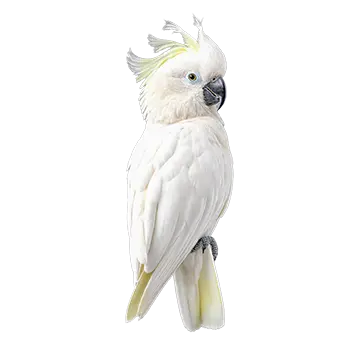

When Does Senior Begin?

Defining the onset of the senior years in an Umbrella Cockatoo is not as straightforward as it is in shorter-lived species. With a potential lifespan ranging from forty to seventy years or more, the transition from prime adulthood to the senior phase is gradual and highly individual. As a general guideline, many avian veterinarians consider an Umbrella Cockatoo to be entering its senior years around age thirty-five to forty, though some birds show signs of aging earlier while others remain vigorous well past this threshold. The key is to watch the individual bird rather than the calendar.

The earliest signs of aging in cockatoos are often subtle and easy to miss if the owner is not paying close attention. A slight decrease in overall activity level, a preference for lower perches, reduced interest in play or foraging challenges, and minor changes in sleep patterns can all signal the beginning of the transition. These shifts may occur so gradually over months or years that they go unnoticed until the cumulative change becomes obvious. Reviewing old photographs and videos of the bird can sometimes reveal just how much has changed.

It is important to distinguish between normal aging and treatable medical conditions. A cockatoo that suddenly becomes lethargic, loses significant weight, or undergoes rapid behavioral changes is not simply getting old; it is likely ill and needs veterinary attention. The gradual, progressive nature of true aging stands in contrast to the relatively sudden onset of disease. Any change that seems abrupt or dramatic should be investigated rather than attributed to age.

Once a cockatoo enters its senior years, the frequency of veterinary checkups should increase from annual to semi-annual. Twice-yearly bloodwork and physical examinations allow the veterinarian to track trends in organ function and catch age-related conditions such as kidney disease, liver changes, and cardiovascular issues before they become advanced. The investment in more frequent monitoring pays for itself many times over in early detection and management.

Mobility & Joint Health

As Umbrella Cockatoos age, changes in mobility and joint function become increasingly common. Arthritis, while not as well-studied in birds as in mammals, is recognized as a significant issue in senior parrots. Affected birds may show reluctance to climb, favoring the cage floor over upper perches, shifting weight frequently from foot to foot, or gripping perches less firmly than they once did. The powerful feet that once cracked nuts with ease may begin to lose strength, and the bird may start dropping food or toys more often.

Cage modifications can make a substantial difference in a senior cockatoo's comfort and safety. Lowering the food and water dishes, adding wider and flatter perches at accessible heights, installing ramps or ladders with closely spaced rungs, and placing soft padding beneath frequently used perching areas all reduce the physical demands on aging joints. The goal is to allow the bird to maintain as much independence as possible while minimizing the risk of falls or injuries from slipping off perches.

Foot health requires special attention in senior cockatoos. Bumblefoot, a bacterial infection of the foot pads that develops from chronic pressure on compromised skin, is more common in older birds with reduced mobility. Perches of varying diameters and textures, combined with regular visual inspection of the foot pads for any redness, swelling, or sores, help prevent this painful condition. If bumblefoot is detected early, it can usually be treated successfully with topical therapy and environmental modifications, but advanced cases may require systemic treatment.

Gentle exercise remains important for senior cockatoos, even though the bird may be less enthusiastic about activity than in its prime. Encouraging movement through interactive play, short training sessions, and foraging activities scaled to the bird's current ability level helps maintain muscle tone and joint flexibility. The intensity should be adjusted to the individual bird's comfort, with the owner watching for signs of fatigue, discomfort, or reluctance that indicate the session should end.

Cognitive Changes

Cognitive changes in aging cockatoos are an area that is only beginning to be understood by avian science, but experienced cockatoo owners and avian veterinarians have long observed behavioral patterns suggestive of cognitive decline in very old birds. These changes may include confusion about familiar routines, decreased problem-solving ability, altered sleep-wake cycles, increased vocalization at unusual times, and changes in social behavior toward familiar people or companion animals.

A senior cockatoo that has always navigated its cage and play area with confidence may begin to seem disoriented or hesitant in familiar spaces. The bird might stare at objects it has known for years as though seeing them for the first time, or it may become startled by sounds and movements that previously elicited no reaction. While these changes can be distressing for the owner to witness, maintaining a calm and patient demeanor is essential. The bird picks up on the owner's emotional state, and anxiety or frustration in the caregiver can amplify the bird's confusion.

Mental stimulation remains valuable for senior cockatoos, though the complexity of enrichment activities may need to be adjusted. A foraging puzzle that once took the bird five minutes to solve may now be too frustrating if cognitive ability has declined. Simplifying foraging challenges so the bird can still succeed, offering familiar toys alongside occasional gentle novelties, and continuing to engage in low-pressure training or trick review sessions all help keep the aging brain active without causing stress.

Routine becomes increasingly important as cognitive function changes. A consistent daily schedule for feeding, out-of-cage time, bathing, and social interaction provides a predictable framework that helps the senior cockatoo orient itself. Sudden changes to the environment or schedule should be minimized, and when changes are unavoidable, they should be introduced gradually with extra reassurance and attention.

Nutrition for Aging

Nutritional needs shift as an Umbrella Cockatoo ages, and the diet that served the bird well during its prime years may need modification to support changing metabolic demands. Senior cockatoos generally require fewer total calories than active adults, as reduced activity levels mean lower energy expenditure. Continuing to feed the same volume and caloric density as during the prime years can lead to obesity, which compounds the strain on aging joints and organs.

The balance of nutrients may also need adjustment. Some senior birds benefit from increased calcium supplementation to support bone density, though this should be done under veterinary guidance to avoid the risks associated with excessive calcium, particularly in birds with impaired kidney function. Protein requirements may shift as well, and the veterinarian may recommend adjustments based on bloodwork results that reveal how the bird's liver and kidneys are processing dietary protein.

Soft foods become more important for senior cockatoos that may have reduced beak strength or dental-equivalent issues. Cooked grains, steamed vegetables, and softened pellets are easier to process and ensure the bird continues to consume adequate nutrition even as its ability to crack hard seeds and nuts diminishes. Some owners blend a portion of the daily diet into a warm mash that the bird can eat comfortably while still offering some intact items to encourage natural feeding behavior.

Hydration is a particular concern in senior birds, as kidney function often declines with age and the body becomes less efficient at managing fluid balance. Offering water-rich foods such as cucumbers, melons, and leafy greens supplements fluid intake. Monitoring urine output through dropping assessment becomes more important, as changes in the urine component of droppings can be an early indicator of kidney problems. The veterinarian may recommend periodic renal panels as part of the senior health monitoring protocol.

Increased Veterinary Care

The shift from annual to semi-annual veterinary visits marks the transition into senior health management for an Umbrella Cockatoo, but the scope of each visit also expands compared to the routine adult wellness exam. A comprehensive senior panel typically includes a complete blood count, full blood chemistry with particular attention to liver enzymes, kidney values, and blood glucose, as well as imaging such as radiographs to evaluate heart size, liver density, and bone quality.

Cardiovascular disease, including atherosclerosis, is a significant concern in aging cockatoos. This condition, in which fatty plaques accumulate within blood vessel walls, develops slowly over years and may produce no symptoms until a vessel is severely narrowed or blocked. Risk factors include a history of high-fat diets, obesity, and sedentary lifestyle. While advanced atherosclerosis cannot be reversed, early detection through imaging and cholesterol screening allows for dietary and management changes that can slow its progression and reduce the risk of acute cardiovascular events.

Kidney disease is another condition that becomes more prevalent with age. Avian kidneys have limited regenerative capacity, and damage tends to be cumulative and progressive. Elevated uric acid levels on blood chemistry, changes in urine output or consistency, and increased water consumption are all indicators that kidney function may be declining. Dietary modifications, fluid support, and sometimes medication can help manage early kidney disease and slow its progression, but early detection through regular bloodwork is essential.

Cancer, while less common in birds than in mammals, does occur in cockatoos and becomes a greater concern with advancing age. Tumors may develop internally or externally, and any new lumps, bumps, or growths observed during handling should be evaluated promptly. Internal tumors may manifest through nonspecific signs such as weight loss, lethargy, abdominal distension, or changes in droppings. Diagnostic imaging and, when appropriate, biopsy help determine the nature and extent of any growth and guide treatment decisions.

Quality of Life Assessment

Assessing and maintaining quality of life is the overarching goal of senior cockatoo care, and it requires the owner to balance objective health metrics with a sensitive reading of the bird's day-to-day experience. A cockatoo that is managing chronic conditions but still shows interest in its surroundings, engages with its family, eats with reasonable appetite, and maintains its grooming routines is likely enjoying a good quality of life. These positive indicators matter more than any single test result or diagnosis.

Developing a personal quality of life checklist specific to the individual bird can help the owner track trends over time. Consider the bird's five or six most characteristic behaviors, the things that make it uniquely itself. Perhaps it always greets the morning with a particular vocalization, enthusiastically attacks a favorite foraging toy after breakfast, demands head scratches during the evening, or dances when music plays. When these signature behaviors begin to diminish or disappear, it is a meaningful signal that the bird's subjective experience may be declining.

Pain assessment in birds is challenging because avian species have evolved to mask signs of pain and weakness as a survival strategy. A cockatoo in pain may simply become quieter and less active rather than exhibiting obvious distress. Subtle signs such as feather fluffing, reluctance to be touched in specific areas, changes in posture, grinding the beak less than usual, or a fixed and tense body position can indicate discomfort. Discussing pain management options with the avian veterinarian is appropriate whenever pain is suspected, as effective treatments are available and can significantly improve the senior bird's comfort.

The emotional dimension of quality of life is especially important for a species as socially complex as the Umbrella Cockatoo. A bird that has lost a long-term companion, whether human or avian, may grieve deeply, and this emotional stress can accelerate physical decline. Similarly, major household changes such as a move, the departure of a family member, or the introduction of a new pet can be profoundly unsettling for a senior cockatoo accustomed to stability. Providing extra emotional support, maintaining routines as much as possible, and watching closely for signs of depression during periods of change help protect the aging bird's emotional welfare.

Always consult a qualified professional before making any health-related decisions. This content is provided for informational reference only and should not replace professional guidance specific to your animal.