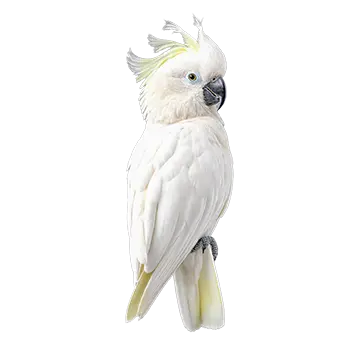

Umbrella Cockatoos reach sexual maturity between approximately three and six years of age, but sexual maturity alone does not indicate readiness for breeding. True breeding readiness encompasses physical maturity, emotional stability, confirmed health status, and compatible pairing. A bird that is physically capable of producing eggs but is emotionally immature or in suboptimal health is not a candidate for responsible breeding. The demands of courtship, egg production, incubation, and chick rearing are considerable, and only birds in excellent condition should be considered.
Both the male and female should undergo comprehensive veterinary examinations before any breeding attempt. Bloodwork, disease screening for Psittacine Beak and Feather Disease, Avian Polyomavirus, and Chlamydiosis, and a thorough physical assessment establish that both birds are healthy and free from conditions that could be passed to offspring or exacerbated by the stress of breeding. DNA sexing, if not previously confirmed, should also be performed, as visual sexing of Umbrella Cockatoos is unreliable despite subtle differences in iris color between mature males and females.
The nutritional status of both birds should be optimized in the months leading up to a breeding attempt. The hen in particular will need increased calcium and protein to support egg production without depleting her own reserves. A diet enriched with dark leafy greens, cooked eggs, and calcium-rich vegetables, in addition to the standard pelleted diet, helps build the nutritional foundation that successful reproduction requires. Nutritional deficiencies at the time of breeding can lead to soft-shelled eggs, egg binding, and chicks with developmental abnormalities.
Pair compatibility is one of the most challenging aspects of cockatoo breeding and cannot be rushed or forced. Umbrella Cockatoos form strong pair bonds, but not every male and female will bond successfully. Forced pairing can result in serious aggression, particularly from the male toward the female, which in cockatoos can be severe enough to cause life-threatening injuries. Introductions should be gradual, supervised, and conducted with escape routes available for both birds at all times.