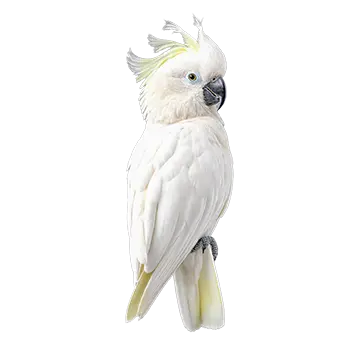

The First 24 Hours After Hatching

An Umbrella Cockatoo chick enters the world blind, nearly featherless, and entirely dependent on its parents or a human caregiver. Hatching itself is an exhausting process that can take anywhere from several hours to a full day, and the chick will often rest for an extended period before its first feeding. During this critical window, the most important task is ensuring the hatchling remains warm, stable, and undisturbed. Resist the urge to handle the chick excessively; the energy it conserves in these early hours is vital for survival.

If the chick is being parent-raised, the hen will typically begin feeding within a few hours of hatching. The first feeds consist of crop milk, a protein-rich secretion that provides essential antibodies and nutrients no commercial formula can fully replicate. Observing the parents from a respectful distance is the best approach, intervening only if the hen shows clear signs of rejecting or neglecting the chick. A healthy hatchling will have a slightly pinkish hue and will respond to gentle touch with subtle movements.

For breeders who are hand-raising from day one, the hatchling should be placed in a clean, pre-warmed brooder immediately after it has dried. The yolk sac should be fully absorbed before the first assisted feeding is attempted. Any remnant of the yolk sac visible externally is a sign that the chick is not yet ready to eat, and attempting to feed too early can cause life-threatening complications. Keep detailed records of the hatch time, first feeding, and the chick's weight from the very beginning.

The environment around the hatchling must be meticulously controlled. Drafts, sudden temperature shifts, and exposure to other birds or household pets should all be eliminated. Even brief chilling during the first day can suppress the immune system and set the stage for infections that may not manifest for several days. Think of the first 24 hours as the foundation for everything that follows.

Feeding & Nutrition

Feeding a newborn Umbrella Cockatoo is one of the most demanding and consequential tasks a breeder or hand-raiser will face. If the chick is being hand-fed, a high-quality commercial hand-rearing formula designed specifically for large parrots is the standard. The formula must be mixed fresh for every feeding, prepared to the exact consistency and temperature recommended by the manufacturer. A feeding that is too hot can cause severe crop burns, while formula that is too cool will not be digested properly and can lead to crop stasis.

During the first week of life, feedings are frequent, typically every two to three hours around the clock. The volume per feeding is very small at first, often just a few milliliters, but it increases gradually as the chick grows. A syringe or spoon is the preferred delivery method, and the feeding technique must be slow and controlled to prevent aspiration. Aspiration pneumonia, caused by formula entering the airway, is one of the most common and most preventable causes of death in hand-raised parrot chicks.

Monitoring the crop after each feeding is essential. The crop should feel soft and pliable after a feed, not stretched taut or hard. Before each subsequent feeding, the crop should be nearly empty. A crop that has not emptied within the expected timeframe is a red flag that warrants immediate attention. Slow crop motility can indicate bacterial or fungal infection, incorrect formula temperature, or an environmental temperature that is too low for proper digestion.

As the chick moves through its second and third weeks, the interval between feedings can gradually lengthen and the volume per feeding will increase. Weight should be tracked daily with a gram scale. Consistent, steady weight gain is the single best indicator that nutrition is on track. Any plateau or loss that persists for more than a day should prompt a reassessment of feeding practices and, if necessary, a veterinary consultation.

Developmental Milestones

Umbrella Cockatoo chicks develop more slowly than many smaller parrot species, and understanding the normal timeline helps caregivers recognize both progress and problems. In the first week, the chick's eyes remain closed, and movement is limited to subtle shifts and feeding responses. Pin feathers begin emerging along the wings and back by the end of the second week, appearing as tiny sheathed quills beneath the translucent skin.

By the third week, the eyes typically begin to open, and the chick starts to show increased awareness of its surroundings. Vocalizations become more varied, progressing from simple feeding cries to a broader range of sounds that signal comfort, hunger, or distress. The chick will begin to hold its head up more steadily and may start to grip the caregiver's hand or the bedding material with its developing feet.

Between weeks four and six, feather development accelerates noticeably. The characteristic white plumage of the Umbrella Cockatoo begins to emerge as the pin feathers open, and the crest feathers start to become visible. The chick becomes more mobile, shuffling and scooting around the brooder, and its personality starts to surface. Some chicks are bold and vocal from early on, while others are quieter and more cautious. Both temperaments are normal.

From six to eight weeks, the chick enters a transitional phase where it begins to explore solid foods while still relying on formula for the majority of its nutrition. Coordination improves rapidly, and the chick may begin to flap its wings and attempt to perch. This is an exciting but also precarious stage, as the chick's curiosity often outpaces its physical abilities, and falls or injuries from clumsy exploration need to be guarded against.

Temperature & Environment

Maintaining the correct environmental temperature is arguably the single most critical factor in newborn cockatoo survival. Hatchlings cannot regulate their own body temperature and are entirely dependent on external heat sources. A brooder set to approximately 96 to 98 degrees Fahrenheit is appropriate for the first few days, with a gradual reduction of one to two degrees per week as the chick's feathering develops and its thermoregulatory ability matures.

Humidity is equally important and frequently overlooked. The brooder should maintain a relative humidity of approximately 50 to 60 percent. Humidity that is too low can cause dehydration and impede feather development, while humidity that is too high creates a breeding ground for bacterial and fungal infections. A quality digital hygrometer placed inside the brooder provides the most reliable readings.

The brooder substrate should be clean, non-toxic, and changed frequently. Paper towels or clean cloth towels are common choices for very young chicks because they allow for easy monitoring of droppings and can be replaced without disturbing the chick excessively. Loose substrates such as wood shavings are generally avoided for neonates because small particles can be ingested or inhaled.

Ventilation must be adequate without creating drafts. A brooder that is sealed too tightly can accumulate carbon dioxide and ammonia from droppings, while one that is too open will lose heat and humidity. Striking this balance often requires careful observation and minor adjustments over the first several days. The brooder should be placed in a quiet, low-traffic area of the home or aviary, away from direct sunlight, heating vents, and any sources of fumes or aerosols.

Early Socialization

Socialization during the newborn period lays the groundwork for the Umbrella Cockatoo's lifelong relationship with humans and, potentially, other birds. While very young chicks should not be overstimulated, brief and gentle handling during feeding times begins to build trust and familiarity. The chick learns to associate the caregiver's hands, voice, and scent with warmth and nourishment, forming the earliest bonds that will shape its temperament.

Speak softly and consistently to the chick during every interaction. Umbrella Cockatoos are among the most socially oriented of all parrot species, and auditory imprinting begins remarkably early. The chick does not understand words at this stage, but it is already learning to distinguish familiar sounds from unfamiliar ones. A calm, reassuring vocal presence during feedings and handling sessions establishes a sense of safety that reduces stress and encourages healthy development.

If the chick is being raised alongside siblings, social learning occurs naturally as the chicks interact with one another. They learn to compete gently for food, to huddle for warmth, and to vocalize in response to each other. Solo chicks miss these interactions, so the human caregiver must be especially attentive to providing enrichment and social contact. A small, soft stuffed toy can serve as a surrogate companion, though it should be monitored for signs of wear and replaced if the chick begins to ingest fibers.

It is important to introduce a variety of gentle stimuli during these early weeks. Different textures underfoot, soft background sounds, and brief exposure to normal household activity all contribute to a chick that is confident and adaptable rather than fearful. However, the emphasis at this stage is on positive, low-intensity experiences. Overwhelming a fragile chick with too much stimulation is counterproductive and can lead to stress-related health problems.

Health Screening & Vet Visits

A veterinary examination by an avian specialist should be scheduled within the first few days of life, particularly for hand-raised chicks. This initial exam establishes a health baseline and screens for congenital abnormalities, yolk sac infections, and early signs of bacterial or fungal overgrowth. The veterinarian will typically perform a physical examination, take a crop swab for culture, and may draw a small blood sample for baseline testing.

One of the most important early health concerns in cockatoo chicks is Psittacine Beak and Feather Disease, caused by a circovirus. Testing for this virus should be part of the initial screening protocol, especially if the chick's parents have not been tested or if the chick was acquired from a source with an unknown health history. PBFD can be devastating and is highly contagious, so early detection is essential for the welfare of the individual chick and any other birds in the household or aviary.

Daily health monitoring by the caregiver is just as important as formal veterinary checkups. Tracking weight, observing dropping consistency and color, monitoring crop emptying times, and noting any changes in behavior or appetite all form a comprehensive picture of the chick's health. A gram scale accurate to at least one gram is an indispensable tool. Even minor deviations from the established pattern can be early warnings of illness that, if caught quickly, can often be treated successfully.

Keep a written health log from day one. Record every feeding time and volume, daily weight, any medications administered, environmental conditions, and behavioral observations. This log becomes an invaluable reference if problems arise and is enormously helpful for any veterinarian who may need to assess the chick's history. The discipline of consistent record-keeping often makes the difference between catching a problem early and recognizing it too late.

When to Worry

Even experienced breeders can find it challenging to distinguish normal newborn behavior from early signs of trouble. Learning the warning signs specific to cockatoo chicks can prevent minor issues from becoming emergencies. A chick that refuses to feed, or feeds but then regurgitates repeatedly, needs immediate evaluation. While occasional regurgitation can happen if feeding is too rapid, persistent refusal or vomiting often indicates infection, crop injury, or a congenital problem.

A crop that remains full or feels doughy and distended hours after a feeding is a significant warning sign. Crop stasis can escalate quickly into sour crop, a condition in which undigested formula ferments and creates a toxic environment. The chick may become lethargic, and the crop contents may develop a foul odor detectable near the beak. This situation requires prompt veterinary intervention, as home remedies can worsen the problem.

Changes in droppings are among the earliest and most reliable indicators of illness. Normal droppings from a formula-fed chick are soft but formed, with a greenish-brown fecal component, a white urate component, and a clear liquid urine component. Droppings that are excessively watery, discolored, contain undigested food particles, or have a foul smell all warrant concern. Similarly, a sudden decrease in the volume or frequency of droppings suggests that the chick is not processing food properly.

Lethargy, persistent shivering, labored breathing, and a failure to gain weight over two or more consecutive days are all red flags. A chick that was previously vocal and responsive but becomes quiet and withdrawn may be in distress. In neonatal birds, the window between the first subtle signs of illness and a critical condition can be alarmingly narrow. When in doubt, contact an avian veterinarian rather than waiting to see if the chick improves on its own. Early intervention saves far more lives than watchful waiting in these fragile patients.

Always consult a qualified professional before making any health-related decisions. This content is provided for informational reference only and should not replace professional guidance specific to your animal.