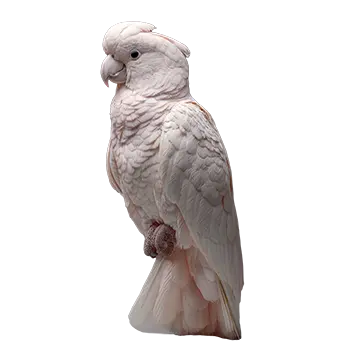

Recognizing when a Goffin's Cockatoo is approaching the end of its life requires careful observation and an honest assessment of the bird's overall condition. Some birds decline gradually over months or years due to chronic disease, while others may deteriorate more rapidly from acute illness or organ failure. In either case, understanding the signs of declining health helps owners make informed, compassionate decisions about their bird's care.
Common indicators that a cockatoo may be entering its final phase include persistent weight loss despite adequate food availability, a marked decrease in activity and engagement with the environment, prolonged periods of sitting fluffed on the cage bottom rather than perching, and loss of interest in social interaction. Changes in droppings, including decreased volume, abnormal color, or watery consistency, can reflect failing organ function. A bird that was once vocal and interactive but has become consistently quiet and withdrawn may be communicating its declining condition.
Physical signs may include labored or open-mouth breathing, difficulty maintaining balance on the perch, visible weakness or trembling, clouded or sunken eyes, and a deterioration in feather quality. The bird may stop preening, leading to a disheveled appearance. Some birds in decline will seek out quiet, low locations in the cage and resist being handled or moved, while others may become unusually clingy, seeking constant physical contact with their trusted human.
It is essential to work closely with your avian veterinarian during this time to distinguish between treatable conditions and irreversible decline. Some symptoms that appear to signal the end of life may actually be caused by conditions that can be managed or even resolved with appropriate medical intervention. Only through thorough veterinary assessment can you be confident that the bird's condition truly reflects a terminal process rather than a treatable illness.