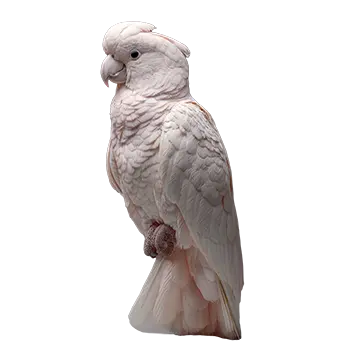

Peak Health Maintenance

A Goffin's Cockatoo reaches full physical and behavioral maturity between three and five years of age, entering a prime period that can span two decades or more with proper care. During these adult years, the bird is at its most robust, energetic, and cognitively sharp. Maintaining peak health requires a proactive approach that encompasses nutrition, environment, mental stimulation, and consistent veterinary oversight.

Annual wellness examinations with an avian veterinarian should be a non-negotiable part of your adult cockatoo's care routine. These visits typically include a thorough physical examination, weight assessment, and periodic blood panels to monitor organ function, calcium levels, and other key health markers. Establishing consistent baseline values during the healthy adult years is invaluable for detecting subtle changes that might indicate early disease processes later in life.

Weight management is a critical component of health maintenance for adult Goffin's Cockatoos. These birds are prone to obesity when fed energy-dense diets with insufficient exercise, and excess weight contributes to fatty liver disease, atherosclerosis, and reduced overall lifespan. Weigh your bird weekly on a gram scale and track the results over time. A healthy adult Goffin's typically maintains a consistent weight within a range of 250 to 400 grams, though individual birds will have their own established set point.

Environmental quality directly impacts your cockatoo's respiratory and overall health. Birds have extremely efficient and sensitive respiratory systems, making them vulnerable to airborne toxins that may not affect humans. Never use nonstick cookware, aerosol sprays, scented candles, air fresheners, or cleaning products containing harsh chemicals in areas accessible to your bird. Maintain good air quality with regular ventilation and consider a HEPA air purifier, as cockatoos produce significant feather dust.

Nutrition at Maturity

An adult Goffin's Cockatoo's dietary needs are well-established by the time it reaches maturity, but maintaining dietary quality and variety remains an ongoing responsibility. The foundation of the diet should continue to be a high-quality pelleted food formulated for cockatoos, comprising approximately 60 to 70 percent of total intake. Pellets provide balanced nutrition and reduce the risk of selective feeding that occurs with seed-based diets.

Fresh vegetables and fruits should make up a significant portion of the remaining diet. Rotate offerings regularly to provide a broad spectrum of vitamins, minerals, and phytonutrients. Excellent daily choices include dark leafy greens such as kale, Swiss chard, and dandelion greens, along with vegetables like bell peppers, broccoli, sweet potato, and carrots. Fruits such as berries, papaya, mango, and apple can be offered in moderation, keeping in mind their higher sugar content.

Calcium is a particularly important nutrient for adult cockatoos, especially females who may produce eggs even without a mate. A cuttlebone or mineral block should always be available in the cage, and calcium-rich foods such as cooked broccoli, kale, and almonds can supplement dietary intake. Discuss calcium supplementation with your avian veterinarian, as both deficiency and excess can cause health problems.

Avoid the temptation to share human meals with your cockatoo beyond the approved fresh foods. Many seemingly harmless foods can be toxic or nutritionally inappropriate for parrots. Table scraps high in salt, sugar, fat, or preservatives contribute to obesity and organ damage over time. Treats should be limited to small amounts of nuts, seeds, or favored healthy foods and used primarily as training rewards rather than as a regular dietary component.

Exercise & Enrichment

Adult Goffin's Cockatoos require substantial daily exercise and mental enrichment to prevent the boredom-driven behavioral problems that this species is notoriously prone to developing. A minimum of four to five hours of supervised out-of-cage time daily is recommended, with more being ideal. This time should include opportunities for flight or vigorous physical activity, interactive play with family members, and independent exploration in a bird-safe environment.

Mental enrichment is every bit as important as physical exercise for this exceptionally intelligent species. Goffin's Cockatoos have demonstrated remarkable problem-solving abilities in scientific research settings, including the capacity to use and manufacture tools. Channel this intelligence by providing increasingly complex foraging opportunities, puzzle toys, and novel objects to investigate. Rotate toys and enrichment items regularly, as a Goffin's will quickly lose interest in familiar objects.

Interactive play between you and your cockatoo strengthens the bond and provides stimulation that toys alone cannot replicate. Teach new tricks, play peek-a-boo, engage in gentle wrestling with a towel, or create obstacle courses for your bird to navigate. Goffin's thrive on shared activities and will often invent games of their own, sometimes involving impressive feats of creativity and mischief.

Be mindful that insufficient enrichment in adult cockatoos is a primary driver of feather destructive behavior, excessive screaming, stereotypic movements, and self-mutilation. These behavioral disorders are far easier to prevent through adequate stimulation than to resolve once established. If your lifestyle cannot consistently provide the level of interaction and enrichment a Goffin's requires, consider whether environmental modifications, additional family involvement, or even the addition of an avian companion might help meet the bird's needs.

Preventive Health Care

Beyond annual veterinary checkups, preventive health care for adult Goffin's Cockatoos involves daily monitoring, environmental management, and awareness of the health conditions most common in this species. Developing a daily wellness routine that includes observing your bird's droppings, appetite, activity level, feather condition, and vocalization patterns allows you to detect changes early, when intervention is most effective.

Droppings are one of the most informative health indicators available to bird owners. Normal cockatoo droppings consist of three components: a solid dark green or brown fecal portion, white urates, and a small amount of clear liquid urine. Changes in color, consistency, volume, or odor can signal dietary issues, infection, liver or kidney problems, or other health concerns. Learn what is normal for your individual bird and investigate any persistent changes.

Respiratory health is a particular concern for cockatoos due to the large volume of powder down they produce. This fine white powder is a natural byproduct of their feather maintenance but can accumulate in the environment and potentially contribute to respiratory irritation in both birds and their human companions. Regular bathing or misting helps manage powder down on the bird itself, while frequent cage cleaning, HEPA filtration, and good ventilation manage environmental accumulation.

Beak and nail maintenance should be monitored regularly. A healthy adult Goffin's that has access to appropriate chewing materials and varied perch textures may naturally maintain its beak and nails. However, overgrowth can occur and may require professional trimming by an avian veterinarian or experienced avian groomer. Never attempt to trim a cockatoo's beak yourself, as improper trimming can cause pain, bleeding, and lasting damage.

Behavioral Maturity & Hormonal Cycles

Adult Goffin's Cockatoos experience seasonal hormonal fluctuations that can significantly affect their behavior, typically occurring in the spring months. During hormonal periods, both male and female birds may display increased aggression, territorial behavior, excessive vocalization, regurgitation as a bonding gesture, and in females, egg-laying. Understanding that these behaviors have a biological basis helps owners respond appropriately rather than taking the behaviors personally.

Managing hormonal behavior involves environmental adjustments rather than punishment. Reduce stimuli that trigger breeding hormones by ensuring the bird receives no more than 10 to 12 hours of light per day, avoiding warm and dark enclosed spaces that mimic nesting cavities, limiting physical contact to the head and neck rather than stroking the body, and removing any objects the bird has adopted as a perceived mate. Dietary adjustments may also help, as reducing high-energy foods and warm soft foods can decrease hormonal stimulation.

Females that lay eggs, even infertile ones, face a risk of calcium depletion, egg binding, and chronic reproductive problems. If your female Goffin's begins laying, do not immediately remove the eggs, as this often triggers additional laying. Allow her to sit on the clutch until she loses interest naturally, typically after three to four weeks. If egg laying becomes chronic or the bird shows any signs of distress during the process, seek veterinary guidance immediately.

Beyond hormonal cycles, adult Goffin's Cockatoos continue to develop their social intelligence and may test established boundaries periodically. Consistency in your responses, ongoing positive reinforcement training, and maintaining a stable routine all contribute to a well-adjusted adult bird. Remember that behavioral challenges in cockatoos almost always have an underlying cause, whether environmental, social, medical, or hormonal, and addressing the root issue is always more effective than attempting to suppress the symptom.

Feather & Skin Care

Maintaining healthy plumage is both an aesthetic and medical priority for adult Goffin's Cockatoos. These birds produce copious amounts of powder down, a fine white dust that coats their feathers and serves as a natural waterproofing and conditioning agent. While this is a normal and healthy feature of cockatoo biology, it requires regular management through bathing to prevent excessive buildup and to support overall skin and feather health.

Offer bathing opportunities several times per week at minimum. Many Goffin's enjoy misting with a gentle spray bottle filled with lukewarm water, while others prefer showering with their owner or bathing in a shallow dish. Some birds enjoy all three methods. Observe your bird's preferences and accommodate them, as a bird that enjoys its bathing routine will cooperate more readily and receive greater benefit. Always use plain lukewarm water without any soaps, shampoos, or additives.

Molting occurs at least once or twice a year, during which the bird replaces old feathers with new growth. Molting places additional nutritional demands on the body and can cause temporary discomfort and irritability. Support your bird during molting periods with excellent nutrition, including adequate protein and calcium, regular bathing to help soften feather sheaths, and patience with any behavioral changes. You may gently help the bird by rolling pin feathers on the head and neck that it cannot reach on its own, but only if the feather is ready and the bird solicits this assistance.

Feather destructive behavior is the most significant feather-related concern in adult cockatoos and represents one of the most challenging problems in avian medicine. If your Goffin's begins plucking, barbering, or chewing its feathers, seek veterinary evaluation immediately. The causes can range from medical conditions such as liver disease, infections, or allergies to psychological factors including boredom, anxiety, sleep deprivation, or hormonal disruption. Early intervention offers the best chance of resolution, as the longer the behavior persists, the more deeply ingrained it becomes.

Always consult a qualified professional before making any health-related decisions. This content is provided for informational reference only and should not replace professional guidance specific to your animal.