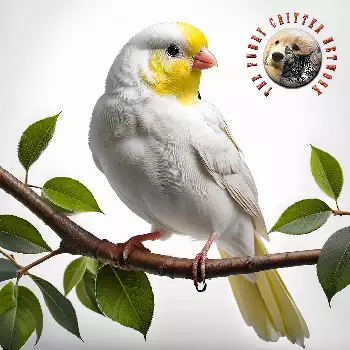

Canaries are relatively long-lived for their size, with a typical lifespan of 10 to 15 years when properly cared for. The transition from prime adult to senior bird is gradual rather than abrupt, and there is no single birthday that marks the beginning of old age. Generally, canaries begin to show signs of aging around seven to eight years of age, though this varies considerably depending on genetics, diet quality, and overall husbandry throughout the bird's life.
The earliest signs of aging in canaries are often subtle. You may notice a slight decrease in activity level, with the bird spending more time resting on a preferred perch and less time flying energetically around the cage. Song quality and frequency may begin to decline in male canaries, with songs becoming shorter, less complex, or less frequent than during the prime years. These changes are typically gradual and may not be immediately obvious unless you have been closely observing your bird over a long period.
Physical changes may also become apparent. The plumage may lose some of its vibrancy, appearing slightly duller or thinner than in previous years. The bird's legs and feet may show signs of increased scaliness, and the nails may grow more quickly or become more brittle. Some senior canaries develop small fatty lumps called lipomas, particularly if their diet has been high in seed and fat. While these are usually benign, they should be evaluated by a veterinarian to rule out other conditions.
Recognizing that your canary is entering its senior years is important because it signals the need for adjustments in care. The fundamental principles of good husbandry remain the same, but the aging bird benefits from increased monitoring, potential dietary modifications, and environmental adaptations that accommodate its changing physical capabilities.