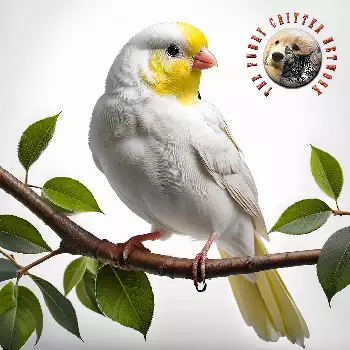

The juvenile stage for canaries begins once the chick has fully fledged and is eating independently, typically around four to five weeks of age, and continues through the first molt at roughly eight to twelve weeks. During this period, the young canary undergoes significant physical changes as it transitions from a somewhat scruffy fledgling into a sleek and well-feathered juvenile bird. Body weight stabilizes, muscle tone improves, and flight becomes more coordinated and confident.
One of the most visually striking developments during the juvenile phase is the first molt, sometimes called the juvenile or baby molt. During this process, the bird gradually replaces its soft, somewhat dull baby feathers with the brighter, more defined plumage that will carry it into adulthood. The molt can take several weeks to complete and may leave the young canary looking patchy or unkempt. This is entirely normal and not a cause for concern as long as the bird remains active and continues eating well.
You may also notice the beak and legs becoming more defined in color and hardness during this stage. The young canary's proportions shift subtly as it reaches its full adult size, which is typically achieved by around three to four months of age. Wing and tail feathers reach their full length, and the bird's overall silhouette becomes more streamlined and elegant.
Monitoring weight gain during the juvenile stage can be a useful health indicator. A small digital gram scale designed for birds allows you to track weight trends. Consistent or gradual weight gain followed by stabilization is normal. Sudden weight loss, or failure to gain weight during the growth phase, warrants a veterinary consultation to rule out illness or nutritional deficiency.