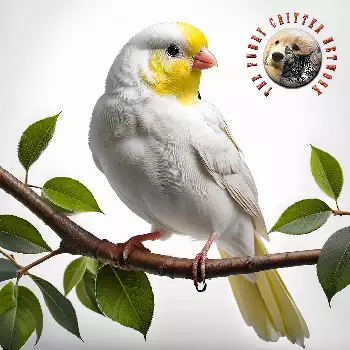

Canaries, like most small birds, are instinctively adept at masking signs of illness and weakness — a survival strategy inherited from their wild ancestors, for whom any visible vulnerability invited predation. This means that by the time a canary shows obvious signs of decline, the underlying condition may be quite advanced. Learning to recognize the subtle early indicators of serious decline is one of the most important skills a canary owner can develop, particularly as their bird enters its senior years.
The most reliable early warning signs include changes in eating and drinking habits. A canary that begins eating noticeably less, dropping food more frequently, or spending time at the food dish without actually consuming much may be experiencing pain, nausea, or weakness. Similarly, changes in droppings — particularly a shift toward watery or discolored droppings, a significant decrease in droppings volume, or the presence of undigested seed — can indicate organ failure or severe systemic illness. Monitoring these indicators daily provides the earliest possible window for intervention.
Behavioral changes are equally telling. A canary that sits low on its perch with feathers fluffed, eyes partially closed, and tail bobbing with each breath is showing classic signs of a bird in distress. Labored or open-mouth breathing, a persistent change in voice quality or complete loss of voice, and an unwillingness to move from a single spot in the cage all suggest significant decline. A bird that sleeps on the cage floor rather than on a perch is often seriously ill, as this behavior abandons the natural instinct to roost in an elevated position.
Weight loss is frequently the most objective indicator of decline. Regular weighing on a small gram scale can reveal a downward trend that may not be visible to the eye, especially in a fluffy or well-feathered bird. A loss of more than ten percent of body weight over a short period is significant and warrants immediate veterinary assessment. In some cases, the decline may be rapid — canaries can deteriorate from apparently healthy to critically ill within a matter of hours due to their small size and high metabolic rate.