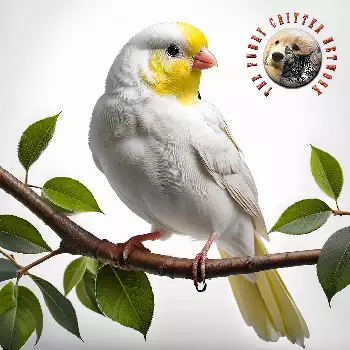

An adult canary in its prime years, roughly from one year through seven or eight years of age, is at its healthiest and most vibrant. During this extended period, the primary goal of care shifts from active growth and development to maintaining the excellent health the bird has already achieved. Consistency in husbandry practices, diet, and environmental management forms the foundation of long-term canary wellness.
Daily observation is the single most valuable tool for maintaining your canary's health. Spend a few minutes each day watching your bird's activity level, posture, breathing, and droppings. A healthy adult canary is alert, active, and responsive to its environment. It perches with feathers held sleek against the body, breathes silently with its beak closed, and produces well-formed droppings with a dark solid component, white urates, and a small amount of clear liquid. Any persistent deviation from this baseline warrants closer attention.
Cage hygiene is a non-negotiable aspect of ongoing health maintenance. The cage floor should be cleaned daily, with paper or liner replaced and any debris removed. Perches, food dishes, and water containers should be washed thoroughly at least once per week, and the entire cage should receive a deep cleaning monthly. Bacteria, mold, and parasites thrive in dirty conditions and can quickly compromise even the healthiest bird's immune system.
Annual wellness visits with an avian veterinarian are strongly recommended, even if the bird appears perfectly healthy. A veterinarian can detect subtle signs of illness or developing conditions that may not be visible to even an attentive owner. Blood work, fecal analysis, and a physical examination provide a comprehensive snapshot of the bird's internal health and can catch problems early when they are most treatable.