
Growth & Physical Development

The juvenile phase for a budgerigar begins at approximately four to five weeks of age when the chick fledges from the nest box and extends through the first molt at around three to four months. During this period the young bird undergoes dramatic physical changes, transitioning from a scruffy, partially feathered chick into a sleek and fully plumaged young adult. Flight feathers reach their full length within the first few weeks after fledging, and the bird's coordination in the air improves rapidly with practice.

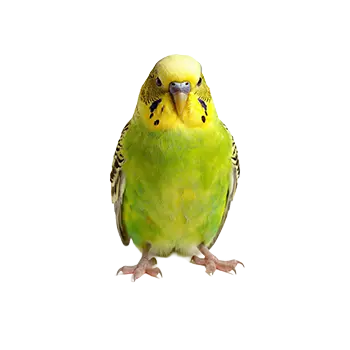
One of the most visible markers of juvenile status is the barring pattern on the forehead. In most color varieties, young budgerigars display fine horizontal bars that extend from the cere down to the top of the beak. These bars recede after the first molt, revealing a clear cap of solid color. The cere itself changes color as the bird matures, shifting from a pale pinkish or bluish hue in juveniles to the more defined adult coloration that helps indicate sex.

Weight typically stabilizes during the juvenile period after the rapid gains of the newborn phase. A healthy juvenile budgerigar generally weighs between 30 and 40 grams, though this varies somewhat by lineage. Regular weigh-ins remain useful during this stage to ensure the bird is maintaining condition as it transitions to independent feeding.

Skeletal growth is largely complete by eight to ten weeks, though the bird continues to build muscle mass and refine its motor skills over the following months. You may notice the young budgie spending considerable time climbing, swinging, and performing acrobatic maneuvers on cage furniture as it strengthens its grip and balance.

Nutrition & Diet Transition

The weaning process is one of the most important milestones in a juvenile budgerigar's development. Chicks that were parent-raised typically begin sampling solid foods around four weeks of age while still receiving supplemental feedings from the parents. By five to six weeks most are eating independently, though some may continue to beg from parents or siblings for a short period afterward.

A juvenile budgerigar's diet should be diverse from the start. A high-quality seed mix formulated for small parrots forms a dietary foundation, but seeds alone are nutritionally incomplete. Fresh vegetables such as leafy greens, broccoli florets, grated carrot, and small pieces of bell pepper should be offered daily. Many juveniles are initially wary of unfamiliar foods but will gradually accept them through repeated exposure.

Sprouted seeds are an excellent transitional food for recently weaned budgerigars. The sprouting process increases the nutritional value of seeds significantly, boosting protein and vitamin content while reducing fat. Offer freshly sprouted seeds in a small dish each morning and remove any uneaten portions after a few hours to prevent spoilage.

Calcium supplementation is particularly important during the juvenile phase as the skeleton completes its development. A cuttlebone should be available in the cage at all times, and a mineral block provides additional trace nutrients. Fresh, clean water must be accessible around the clock, and water containers should be rinsed and refilled daily to prevent bacterial growth.

Behavioral Changes

Juvenile budgerigars are among the most energetic and curious of all companion birds. During this phase you can expect near-constant activity, including exploration of every reachable surface, enthusiastic vocalization, and bold investigation of new objects. This high energy level is entirely normal and reflects the young bird's drive to learn about its environment and develop the skills it will rely on throughout its life.

Vocal development accelerates during the juvenile period. Young budgerigars begin experimenting with a wide range of sounds, from simple chirps and contact calls to more complex warbling sequences. Males in particular may begin attempting to mimic household sounds or human speech during this stage. Providing a stimulating auditory environment with regular conversation and varied sounds encourages vocal development.

Social dynamics become more complex as the juvenile budgerigar begins to establish its place within the household flock, whether that flock consists of other birds or human family members. Some juveniles go through brief periods of nippiness or testing boundaries, particularly around eight to twelve weeks of age. Responding calmly and consistently to these behaviors rather than reacting with sudden movements or raised voices helps the bird learn appropriate social interactions.

Fear responses may emerge during this period as the young bird becomes more aware of potential threats in its environment. New objects, unfamiliar people, or sudden changes to the cage setup can trigger alarm reactions. Introducing changes gradually and pairing new experiences with positive reinforcement such as favorite treats helps build confidence and resilience.

Training Priorities

The juvenile period represents the optimal window for training a budgerigar. Young birds are naturally curious, highly motivated by food rewards, and have not yet developed the wariness or set habits that can make training adult birds more challenging. Investing time in training during these early months pays dividends throughout the bird's life in the form of a confident, cooperative companion.

Step-up training should be the first skill taught. Using a calm, steady finger or a perch held at chest level, gently press against the lower breast of the bird while giving a consistent verbal cue. Most juvenile budgerigars will step onto the offered perch within a few sessions when this is paired with a small treat reward. Keep sessions short — five minutes or less — and always end on a positive note.

Target training, in which the bird learns to touch its beak to the end of a small stick or chopstick in exchange for a treat, is an excellent foundation for more advanced behaviors. Once a budgerigar reliably targets, you can use the target stick to guide it to specific locations, onto scales for weighing, or into a travel carrier without the stress of being chased or grabbed.

Recall training, teaching the bird to fly to you on cue, can begin once the juvenile is confident in flight and comfortable with step-up. Start with very short distances in a safe, enclosed room and gradually increase the distance over multiple sessions. This skill is not only impressive but also serves as an important safety measure, giving you a reliable way to retrieve the bird if it lands somewhere unsafe during out-of-cage time.

Exercise & Flight Development

Flight is the defining physical ability of a budgerigar, and the juvenile period is when this skill is honed. Newly fledged birds are clumsy fliers at first, often crash-landing or overshooting their intended perch. With daily practice in a safe environment, their agility and precision improve dramatically over the course of a few weeks. Providing daily out-of-cage flight time in a bird-safe room is one of the most important things you can do for a juvenile budgerigar's physical and mental health.

Before allowing free flight, thoroughly bird-proof the room by closing windows and doors, covering mirrors and large glass surfaces that the bird might fly into, removing toxic houseplants, turning off ceiling fans, and covering open water sources. Supervision during flight time is essential, as juvenile birds are still learning to navigate obstacles and may land in unsafe locations.

Within the cage, provide a variety of perches at different heights and diameters to encourage climbing and foot exercise. Natural wood branches with varying textures are preferable to uniform dowel perches, as they promote healthy foot development and help keep nails naturally worn. Swings, ladders, and rope perches add additional movement opportunities.

Play and enrichment activities should be introduced daily during the juvenile phase. Foraging toys that require the bird to manipulate objects to access food encourage problem-solving and physical activity. Rotating toys regularly prevents boredom, and offering shreddable materials such as untreated paper or palm fronds satisfies the natural urge to chew and destroy.

The First Molt

The first molt is a significant physiological event that typically occurs between three and four months of age. During this process the juvenile feathers are gradually replaced by adult plumage, and the characteristic forehead barring recedes to reveal the clear cap of a mature budgerigar. The molt may take several weeks to complete and is a nutritionally demanding process that requires extra dietary support.

During the molt you may notice an increase in loose feathers around the cage and on surfaces where the bird spends time. Pin feathers — new feathers emerging in their protective keratin sheaths — will be visible across the head, neck, and body. These pins can be itchy and uncomfortable, and you may observe the bird preening more frequently or rubbing its head against perches and toys to help dislodge the sheaths.

Nutritional support during the first molt is important. Feathers are composed primarily of protein, so ensuring adequate protein intake through egg food, sprouted seeds, or small amounts of cooked legumes helps support healthy feather growth. Continuing to provide cuttlebone and mineral supplements ensures the bird has access to the calcium and trace minerals needed for strong feather development.

Some behavioral changes may accompany the first molt. The physical discomfort of emerging pin feathers can make juvenile budgerigars slightly irritable or less willing to be handled than usual. This is temporary and normal. Reduce handling if the bird seems uncomfortable, and offer gentle head scratches to help with pin feathers in areas the bird cannot reach on its own, such as the top of the head and the back of the neck.

Socialization & Flock Integration

If you keep multiple budgerigars, the juvenile period is when the young bird must learn to navigate flock dynamics. Introductions to existing birds should be gradual, beginning with the cages placed side by side so the birds can see and hear each other without physical contact. Once both parties appear calm and curious rather than aggressive or fearful, supervised face-to-face interactions can begin in a neutral space outside either bird's cage.

Juvenile budgerigars are generally well-received by adult flock members, but occasional squabbles over perching spots, food dishes, or favored companions are normal. Providing multiple feeding stations and an adequate number of perches helps reduce competition. Monitor interactions closely during the first few weeks and separate birds if aggression escalates beyond brief beak sparring or chasing.

For single-bird households, the owner becomes the budgerigar's primary social companion. Juvenile budgies kept without avian companions often form extremely strong bonds with their human caregivers and may be more inclined to learn speech and tricks. However, this also means the bird's social and enrichment needs must be met entirely by the owner, requiring a significant daily time commitment.

Regardless of flock composition, juvenile budgerigars benefit from a consistent daily routine. Regular wake and sleep times, predictable feeding schedules, and designated interaction periods provide a sense of security that supports healthy social development. Sudden disruptions to routine can cause stress and behavioral regression, so introduce any necessary changes gradually when possible.

Always consult a qualified professional before making any health-related decisions. This content is provided for informational reference only and should not replace professional guidance specific to your animal.