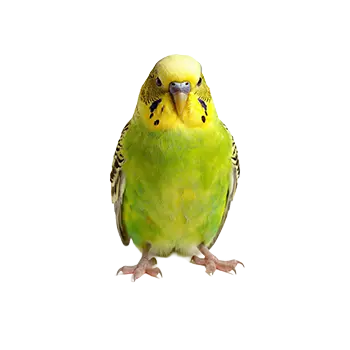

Budgerigars reach sexual maturity at approximately six months of age, but responsible breeders typically wait until both the cock and hen are at least one year old before allowing them to breed. Breeding too young places significant physical strain on the hen in particular, as egg production and chick rearing demand substantial energy and nutritional reserves that a juvenile bird may not yet possess. A mature pair is more likely to produce healthy offspring and exhibit reliable parenting behavior.
Before pairing birds for breeding, both the cock and hen should be in peak health. Schedule a pre-breeding veterinary examination to confirm that both birds are free from parasites, infections, and congenital conditions that could be passed to offspring. The hen should be at a healthy weight with good muscle tone, and both birds should be displaying bright, well-maintained plumage and active, alert behavior.
The hen's cere provides a reliable visual indicator of breeding condition. A hen that is hormonally ready for breeding will develop a deep brown, crusty cere, in contrast to the smooth, pale blue or white cere seen outside of breeding condition. The cock's cere remains a vivid blue in most color varieties when he is in breeding condition. These visual cues help confirm that both birds are physiologically prepared.
Diet should be enriched for several weeks before breeding begins. Increase access to calcium through cuttlebone and mineral blocks, introduce egg food as a supplemental protein source, and ensure a consistent supply of fresh vegetables and sprouted seeds. This conditioning period builds the nutritional reserves the hen will draw upon during egg production and the extended demands of feeding chicks.