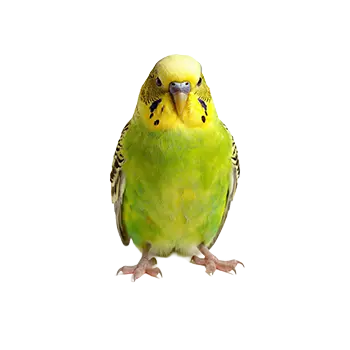

Peak Health Maintenance

A budgerigar reaches full physical maturity at approximately one year of age and enters its prime years, a period that can last until around five to six years in a well-cared-for bird. During this time your budgie should be at its most energetic, vocal, and visually striking. The adult plumage is fully developed, the cere has reached its mature coloration, and the bird's personality is well established. Maintaining this peak condition requires consistent attention to diet, environment, and preventive health care.

Annual wellness exams with an avian veterinarian are the cornerstone of adult health maintenance. Even when a budgerigar appears perfectly healthy, routine checkups can detect subtle issues such as early liver changes, respiratory infections, or weight fluctuations that might not be obvious to an owner. Blood work and fecal testing may be recommended as part of these visits, providing a baseline that becomes invaluable if the bird becomes ill later.

Daily observation is equally important. Spend a few minutes each day watching your budgerigar's behavior, appetite, and droppings. Healthy adult budgies are active, alert, and vocal throughout the day. Changes in any of these baseline behaviors — decreased activity, loss of appetite, fluffed feathers, or changes in droppings — can be early warning signs of illness and should prompt closer monitoring or a veterinary visit.

Weight monitoring at home supplements professional care. A small digital kitchen scale accurate to the gram is sufficient for weekly weigh-ins. Adult budgerigars typically weigh between 30 and 40 grams, and fluctuations of more than a few grams in either direction warrant attention. Sudden weight loss is particularly concerning in birds, as their high metabolic rate means they have very limited reserves.

Nutrition at Maturity

An adult budgerigar's diet should be well-rounded and varied. While seed mixes remain a staple for most pet budgerigars, seeds alone are high in fat and deficient in key vitamins and minerals. A balanced adult diet combines a quality small-parrot seed mix with daily fresh vegetables, occasional fruit, and supplementary protein sources. Some owners successfully transition their birds to a pelleted diet, which offers more complete nutrition, though many budgies resist the switch if not introduced early.

Fresh vegetables should make up a significant portion of the daily diet. Dark leafy greens such as kale, spinach, and dandelion greens are excellent choices, along with broccoli, carrot, zucchini, and sweet potato. Offer vegetables in a variety of forms — chopped, shredded, hung in clips, or woven through cage bars — to make them more appealing and to provide enrichment. Remove uneaten fresh foods after a few hours to prevent spoilage.

Fruit can be offered in small amounts as a treat, but its high sugar content means it should not be a dietary mainstay. Safe options include small pieces of apple, berries, melon, and grapes. Avoid avocado, which is toxic to birds, as well as chocolate, caffeine, alcohol, and any food with high salt content. Onion and garlic should also be avoided.

Fresh water must be available at all times. Water dishes or bottles should be cleaned and refilled daily, as budgerigars often dip food into their water, causing rapid contamination. A cuttlebone and mineral block should remain in the cage permanently to provide calcium and trace minerals, particularly important for hens who may produce eggs even without a mate.

Exercise & Enrichment

Daily exercise is essential for maintaining the physical health and mental wellbeing of an adult budgerigar. Flight is the single best form of exercise available to a budgie, engaging virtually every muscle group and providing cardiovascular conditioning that perching and climbing alone cannot match. Aim for at least one hour of supervised out-of-cage flight time daily in a bird-safe room.

Mental stimulation is just as important as physical exercise for these intelligent, social birds. Foraging opportunities should be a daily feature, whether through commercially available foraging toys or simple homemade options such as food wrapped in paper, hidden in cardboard tubes, or scattered among shredded material in a shallow dish. Foraging replicates the natural food-seeking behavior that would occupy much of a wild budgerigar's day and helps prevent the boredom that can lead to behavioral problems.

Toy rotation is an effective strategy for maintaining interest and preventing habituation. Rather than filling the cage with every toy at once, keep a selection in use and swap items in and out on a weekly basis. Different categories of toys serve different needs: bells and noise-makers satisfy vocal and auditory interests, swings and boings encourage physical activity, and shreddable toys made of paper, palm leaf, or balsa wood satisfy the natural urge to chew.

Social interaction with human family members constitutes a significant portion of an adult budgerigar's enrichment in a companion bird setting. Regular conversation, training sessions that build on skills learned during the juvenile period, and simply being present in the same room all contribute to the bird's social fulfillment. Budgerigars that are regularly engaged tend to be more vocal, more confident, and less prone to stress-related behaviors.

Preventive Health Care

Beyond annual veterinary exams, several preventive measures help keep adult budgerigars healthy. Parasite prevention, while less commonly discussed for indoor birds than for dogs or cats, remains relevant. Mites, particularly scaly face mites that cause crusty overgrowth around the cere and beak, are among the most common external parasites affecting budgerigars. Early detection and treatment through your veterinarian prevents these infestations from becoming severe.

Respiratory health is a particular concern for budgerigars. Their small, efficient respiratory systems are highly sensitive to airborne irritants including aerosol sprays, scented candles, nonstick cookware fumes, cigarette smoke, and strong cleaning chemicals. These should never be used in the same room as the bird, and adequate ventilation throughout the home helps maintain clean air quality. Air purifiers with HEPA filtration can be beneficial in homes with birds.

Nail and beak maintenance is part of routine care. In a well-equipped cage with natural wood perches of varying diameters and access to a cuttlebone, nail and beak wear often occurs naturally. However, some birds may need periodic nail trims if nails become overly long or begin to curl. Beak overgrowth can indicate underlying health issues such as liver disease or mite infestation and should be evaluated by a veterinarian rather than simply trimmed at home.

Molting occurs one to two times per year in adult budgerigars and, while a normal process, places additional nutritional demands on the body. Support your bird during molting periods with extra protein sources such as egg food or cooked quinoa, and ensure consistent access to mineral supplements. Avoid unnecessary stressors during heavy molts, as the bird may be more irritable and less comfortable than usual.

Behavioral Maturity

By the time a budgerigar reaches full adulthood, its personality is largely established, though individual temperament continues to be shaped by daily experiences and the quality of the bird's environment. Adult budgerigars tend to be creatures of routine, finding comfort in predictable daily patterns of waking, eating, play, and sleep. Maintaining consistency in these routines supports emotional stability.

Hormonal behavior is a normal feature of adult budgerigar life, typically peaking during spring and early summer in response to increasing daylight hours. Hormonal budgerigars may become more territorial, more vocal, or more prone to regurgitation as a bonding behavior directed toward a favored companion, whether bird or human. Hens may lay unfertilized eggs even without a mate present. Managing light exposure to provide no more than 12 hours of light per day can help moderate hormonal intensity.

Feather plucking and other self-destructive behaviors, while less common in budgerigars than in larger parrots, can develop in adult birds that are understimulated, socially isolated, or experiencing undiagnosed health issues. If feather loss appears to be the result of plucking rather than normal molting, a veterinary evaluation should be the first step, followed by an honest assessment of the bird's environmental enrichment, social interaction, and daily routine.

Adult budgerigars that were well socialized as juveniles typically maintain their comfort with handling and human interaction throughout their prime years. However, trust can be eroded by negative experiences such as forceful handling, loud punishment, or traumatic veterinary visits. If a previously tame bird becomes skittish or bitey, patience and a return to positive reinforcement training methods are more effective than attempting to force compliance.

Feather & Beak Care

A healthy adult budgerigar maintains its plumage through regular self-preening, spending a significant portion of each day meticulously cleaning, aligning, and conditioning its feathers. Preening distributes natural oils from the preen gland located at the base of the tail across the feathers, providing waterproofing and maintaining the interlocking structure of each feather's barbs. If you notice your bird preening less than usual or if the feathers appear dull and disheveled, this may indicate illness or discomfort.

Bathing opportunities should be provided regularly. Many budgerigars enjoy bathing in a shallow dish of lukewarm water placed on the cage floor, while others prefer a gentle misting from a clean spray bottle. Some birds will bathe in wet lettuce leaves or under a slowly dripping faucet. Experiment to discover your bird's preference, and offer bathing opportunities at least two to three times per week. Bathing helps maintain feather condition and provides enrichment.

The beak is a continuously growing structure composed of keratin, similar to human fingernails. Normal beak wear from eating, chewing toys and cuttlebone, and climbing keeps the beak at an appropriate length and shape. A healthy budgerigar beak is smooth, symmetrical, and free of flaking or discoloration. Excessive length, asymmetrical growth, or changes in texture may indicate nutritional deficiencies, liver issues, or mite infestation and warrant veterinary attention.

Flight feathers and tail feathers are replaced during the annual molt cycle. The loss of these feathers is symmetrical, meaning both wings shed corresponding feathers at roughly the same time to maintain balance in flight. If you notice asymmetrical feather loss, broken blood feathers that bleed actively, or feathers that appear damaged or malformed when they grow in, consult an avian veterinarian to rule out underlying health concerns.

Always consult a qualified professional before making any health-related decisions. This content is provided for informational reference only and should not replace professional guidance specific to your animal.