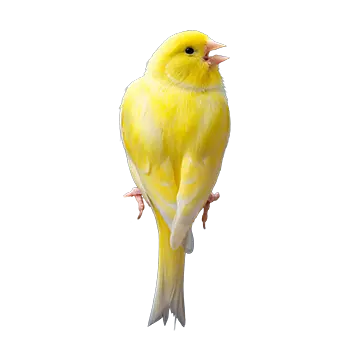

The weaning period represents one of the most consequential transitions in a young American Singer Canary's life, marking the shift from complete dependence on parental feeding to self-sufficient foraging. This process typically begins around three weeks of age when fledged chicks start picking at seed and soft food in the cage, though the hen continues to supplement with regurgitated meals for an additional one to three weeks. Rushing the weaning process or separating chicks from the hen too early can result in underweight birds, stress-related illness, and long-term behavioral problems.
The first step in supporting a smooth weaning transition is ensuring that appropriate foods are accessible at the chick's level. Place shallow dishes of soaked seed, finely chopped greens, and crumbled egg food on the cage floor where recently fledged chicks spend much of their time. Standard seed hoppers mounted higher on the cage bars may be difficult for young birds to access confidently, so floor-level feeding stations bridge the gap between parental feeding and independent eating. Fresh water should also be available in a shallow dish, as young birds learning to drink can drown in deep containers.
Observe each chick individually during the weaning window. Some birds transition to independent eating quickly and are cracking seed confidently by four weeks of age, while others remain reliant on the hen's supplemental feeding for longer. The most reliable indicator that a chick is eating enough on its own is steady weight maintenance or continued gradual weight gain after parental feeding tapers off. A chick that begins losing weight during the weaning period needs closer monitoring and possibly a delayed separation from the hen.
Separation from the hen should occur only when the breeder is confident that the chick is eating independently and maintaining its weight without parental assistance. For most American Singer Canary chicks, this happens between four and six weeks of age. Move weaned juveniles into a spacious flight cage where they can exercise, practice flying, and continue building strength. House recently weaned birds together in small groups initially, as the social contact reduces the stress of separation from the parent birds.