
Selecting a Breeding Pair

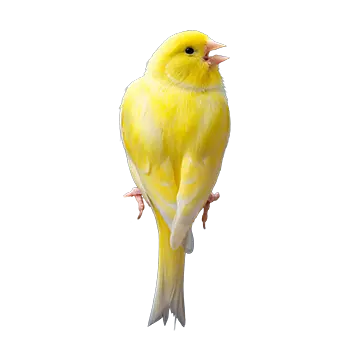
Successful breeding of American Singer Canaries begins long before the first egg is laid, with the careful selection of a compatible pair whose combined qualities will produce offspring that uphold or advance the breed standard. The American Singer Canary was developed in the United States during the 1930s and 1940s through the crossing of German Roller Canaries, prized for their soft, rolling song, with Border Fancy Canaries, valued for their lively disposition and attractive form. The breed standard calls for a bird that is two-thirds song and one-third appearance, and pair selection should reflect this dual emphasis.

Evaluate prospective breeding birds on the basis of song quality, physical conformation, health history, and temperament. Males should demonstrate a free, melodious song with smooth transitions between passages, incorporating a blend of rolling notes, chopping phrases, and open-toned free notes in the proportions valued by American Singer judges. Females do not typically sing, so assess hens on the basis of body condition, feather quality, vigor, and, when possible, the song quality of their sire and brothers. A hen from a line of strong singers is more likely to produce singing sons that meet the standard.

Avoid pairing birds that are closely related unless you have a specific, informed linebreeding strategy and a thorough understanding of the genetic risks involved. Repeated inbreeding concentrates deleterious recessive genes and can result in reduced fertility, weakened immune function, and increased chick mortality. If your breeding stock is limited, seek outcross birds from other breeders to introduce genetic diversity. The American Singers Club maintains a network of breeders who may be willing to exchange or sell stock.

Both birds in a prospective pair must be in excellent health before breeding is attempted. A bird that is underweight, recovering from illness, or in the middle of a molt is not a suitable breeding candidate regardless of its other qualities. Breeding places enormous physiological demands on both the hen and the cock, and birds that enter the season in suboptimal condition are more likely to produce infertile eggs, abandon nests, or suffer health crises during the rearing period. Ideally, both birds should be at least ten months old and no more than five years old for their first pairing, though experienced, healthy birds can breed successfully beyond this range.

Conditioning for the Breeding Season

Conditioning is the process of bringing both the cock and the hen into optimal physiological readiness for breeding, and it is the single most important determinant of breeding success. Poorly conditioned birds produce infertile eggs, abandon nests, feed chicks inadequately, and are more vulnerable to the health stresses that reproduction imposes. A thorough conditioning program begins six to eight weeks before the intended pairing date and addresses nutrition, lighting, housing, and health.

Nutritional conditioning starts with a gradual enrichment of the diet. Increase the frequency of egg food offerings from twice weekly to daily, and introduce sprouted seeds as a regular dietary component. Sprouted seeds are nutrient-dense, easily digestible, and mimic the fresh plant foods that wild canaries consume during the natural breeding season. Add a breeding supplement containing vitamin E, which supports fertility in both sexes, and ensure that a cuttlebone and mineral block are available for the hen to build the calcium reserves she will need for eggshell formation. Fresh greens, particularly dandelion, chickweed, and watercress, should be offered abundantly.

Lighting plays a critical role in triggering the hormonal cascade that brings birds into breeding condition. In their natural environment, canaries begin breeding as day length increases in spring. Simulate this seasonal cue by gradually extending the photoperiod from ten hours of light per day to fourteen hours over a period of four to six weeks. Use a timer-controlled light source to ensure consistency, and choose full-spectrum bulbs that approximate natural sunlight. The gradual increase is important because a sudden jump in light exposure can push birds into breeding condition too rapidly, leading to premature egg laying before the hen's calcium reserves are adequate.

During the conditioning period, house the cock and hen in separate cages placed within sight and earshot of each other. This visual and auditory contact allows the pair to become familiar and stimulates courtship behavior, with the male singing vigorously and the hen responding with increased activity, nest-building behavior, and food-begging calls. Some breeders use a double breeding cage with a removable center divider, allowing the birds to see each other through the wire while remaining physically separated until the hen shows clear signs of readiness.

Signs that a hen is approaching breeding condition include carrying nesting material in her beak, crouching on the perch with a lowered tail and quivering wings when the male sings, tearing paper or other soft material, and a visible pinkish swelling of the vent area. When these signs are consistently present, the divider can be removed or the hen can be introduced to the male's cage. If the pair shows aggression rather than courtship, separate them immediately and allow additional conditioning time before reattempting introduction.

Nesting Setup and Egg Laying

Providing the correct nesting environment is essential for encouraging the hen to lay and incubate her clutch successfully. American Singer Canaries readily accept the standard open-top canary nest pan, a shallow cup-shaped insert typically made of plastic, metal, or ceramic that clips to the inside of the breeding cage. Line the nest pan with a fitted felt liner or a circle of burlap, and provide the hen with abundant nesting material so she can construct her nest to her own specifications. Suitable nesting materials include shredded burlap fibers, commercially prepared canary nesting hair, short lengths of cotton string, and small pieces of dried moss.

Most hens begin nest construction within a few days of being paired with the male, assuming both birds are in proper breeding condition. The hen does the majority of the building, weaving a tight, cup-shaped structure that will cradle her eggs securely. The cock may contribute by carrying nesting material to the hen, though his primary contribution to the breeding effort is courtship feeding, in which he regurgitates food to the hen, and copulation. Mating typically occurs on the perch, initiated by the hen's solicitation posture, and may happen multiple times over several days before and during the egg-laying period.

The American Singer Canary hen typically lays one egg per day, usually in the early morning, until the clutch is complete. Clutch size ranges from three to six eggs, with four to five being the most common. The eggs are pale blue or blue-green with sparse reddish-brown speckles. Many breeders practice egg removal and replacement, taking each egg as it is laid and substituting a dummy egg, then returning all the real eggs simultaneously on the day the last egg is expected. This technique ensures that all chicks hatch on the same day rather than sequentially, preventing the competitive disadvantage that the youngest chick in a staggered clutch inevitably faces.

Removed eggs should be stored at room temperature on a soft surface such as a bed of cotton or tissue, and turned gently once daily to prevent the embryonic membranes from adhering to the shell. Do not refrigerate canary eggs, as the cold temperature can kill the developing embryo. When the final egg is laid and all real eggs are returned to the nest, the hen begins incubation in earnest, settling onto the clutch and maintaining the consistent warmth necessary for embryonic development.

Incubation and Hatching

The incubation period for American Singer Canary eggs is thirteen to fourteen days from the onset of steady incubation. During this time, the hen sits tightly on the nest, leaving only for brief periods to eat, drink, and defecate. The cock's role during incubation is primarily supportive: he continues to sing, which appears to reinforce the pair bond, and he courtship-feeds the hen when she leaves the nest, ensuring she maintains her condition despite the sedentary demands of incubation.

Egg candling, the process of examining eggs against a bright light source to assess fertility and embryonic development, can be performed carefully around day five or six of incubation. Fertile, developing eggs will show a network of blood vessels radiating from a central dark spot, which is the developing embryo. Infertile eggs remain clear, and early-dead embryos may appear as a dark ring or smear without the organized vascular pattern of a living embryo. Remove confirmed infertile or dead eggs from the nest to allow the hen to concentrate her body heat more efficiently on the viable eggs. Handle eggs briefly and gently, and return the hen to her nest promptly.

As the hatch date approaches, increase the humidity in the breeding room if possible, as adequate moisture helps the chick pip through the shell membrane more easily. Some breeders lightly mist the eggs with lukewarm water on the twelfth day of incubation for this purpose, though others prefer to rely on natural humidity from the hen's body and the bathing dish in the cage. If the hen is bathing and returning to the nest with damp feathers, she is providing her own humidity supplementation.

Hatching itself is a process that can take twelve to twenty-four hours from the first visible pip mark to the chick's full emergence from the shell. During this period, resist the urge to intervene. The physical effort of hatching is an important part of the chick's initial development, stimulating circulation and lung function. Assisted hatching should be considered only if a chick has pipped but made no further progress for more than twenty-four hours and is clearly alive, and even then, only with extreme care to avoid tearing blood vessels in the membrane. Once hatching is complete, leave the eggshell fragments in the nest initially. The hen will typically remove or consume them on her own.

Not every egg will hatch, and some clutches experience partial or total failure despite apparently normal incubation. Common causes include infertility due to unsuccessful mating, early embryonic death from temperature fluctuations or genetic defects, bacterial contamination of the egg contents through shell porosity, and improper humidity levels. If a pair produces consistently infertile eggs over two or more clutches, evaluate the male's fertility and consider re-pairing one or both birds with different partners.

Rearing Chicks Under Parent Birds

In most American Singer Canary breeding programs, chicks are raised by their parents, with the hen providing the majority of direct care and the cock contributing supplemental feeding, particularly as the chicks grow and their nutritional demands increase. Parent-rearing is generally preferred over hand-feeding for canaries because it produces well-socialized birds with strong species-appropriate behaviors, and it avoids the considerable technical difficulty and aspiration risk associated with hand-feeding such tiny chicks.

The breeder's most important contribution during the chick-rearing period is ensuring that the parent birds have access to an abundance of high-quality, protein-rich food. Egg food should be available continuously from the day of hatching, refreshed every four to six hours to prevent spoilage. Sprouted seeds, fresh greens, and soaked seeds supplement the egg food and provide dietary variety that the hen can select from based on her chicks' developmental needs. Many experienced breeders also offer a small dish of finely chopped hard-boiled egg alongside the commercial egg food, as the animal protein it provides is especially valuable during the period of most rapid chick growth.

Monitor the chicks daily with minimal disturbance to the nest. A brief, purposeful check once or twice per day is sufficient to confirm that crops are filled, all chicks are warm and positioned properly in the nest, and no signs of illness are present. The temptation to handle or inspect the chicks frequently must be resisted, as repeated disturbance can cause the hen to become stressed and reduce her attentiveness to the brood. If any chick appears consistently underfed, with a persistently flat crop while its siblings are well-rounded, it may be receiving inadequate parental attention due to its position in the nest or its relative weakness compared to larger clutchmates.

The cock bird becomes increasingly important as the chicks approach fledging age. In many pairings, the hen begins showing renewed interest in nesting for a second clutch while the chicks from the first clutch are still dependent. When this happens, the cock typically assumes primary feeding responsibility for the fledged chicks, continuing to feed them until they are fully weaned and eating independently. This division of labor is natural and usually proceeds smoothly, though breeders should observe to ensure the cock is actually feeding the fledglings rather than neglecting them in favor of courtship activity with the hen.

Limit the hen to two, or at most three, clutches per breeding season. Each clutch places substantial physiological demands on the hen, depleting calcium reserves, body condition, and energy. Allowing too many consecutive clutches risks egg binding, chronic malnutrition, and burnout that can shorten the hen's productive breeding life and compromise her overall health. After the final desired clutch, remove nesting material and reduce the photoperiod to discourage further egg laying.

Post-Breeding Recovery and Season Close

The close of the breeding season marks a transition period during which both the cock and the hen must recover from the physiological exertion of reproduction and prepare for the annual molt. A well-managed recovery period is essential for the long-term health and future breeding productivity of both birds. Neglecting post-breeding care can lead to chronic health problems, poor molt quality, and diminished performance in subsequent seasons.

Separate the breeding pair once the last clutch of chicks has been weaned and the decision has been made to close the season. Housing the cock and hen in individual cages allows each bird to rest without the stimulation of the other's presence, which might otherwise provoke further breeding attempts. Remove all nesting material and nest pans from the cages to eliminate environmental cues that encourage reproductive behavior. Gradually reduce the photoperiod from the extended breeding-season light schedule back toward a natural autumn pattern of ten to eleven hours of light, which signals the hormonal shift away from reproductive mode and toward the molt.

Nutritional recovery after the breeding season focuses on replenishing depleted reserves while transitioning the diet toward molt support. Continue offering egg food and sprouted seeds for the first two weeks after season close, then gradually taper the protein-rich supplements as the birds settle into their resting phase. The hen in particular may have drawn heavily on her calcium reserves during egg production, and maintaining access to cuttlebone and a liquid calcium supplement supports skeletal remineralization. Monitor body condition closely, as some hens emerge from a demanding breeding season significantly underweight and need targeted nutritional support to regain condition before the molt begins.

The annual molt typically follows within a few weeks of the breeding season's end, triggered by the decreasing photoperiod. This is a taxing period in its own right, and birds that enter the molt already depleted from breeding are more likely to experience incomplete or protracted molting, poor feather quality, and susceptibility to illness. Provide optimal molt support through increased bathing opportunities, quiet environmental conditions, a diet rich in protein and sulfur-containing amino acids, and extended periods of darkness for rest.

Use the off-season to evaluate the results of the breeding effort. Assess the quality of the young birds produced, noting their conformation, vigor, and, as the males begin to develop song, their vocal characteristics. Review which pairings produced the best offspring and which yielded disappointing results. This reflective process, combined with careful record-keeping of pedigrees, clutch sizes, fertility rates, and chick survival, informs pair selection decisions for the following season and drives the incremental improvement that is the hallmark of a thoughtful breeding program.

Always consult a qualified professional before making any health-related decisions. This content is provided for informational reference only and should not replace professional guidance specific to your animal.