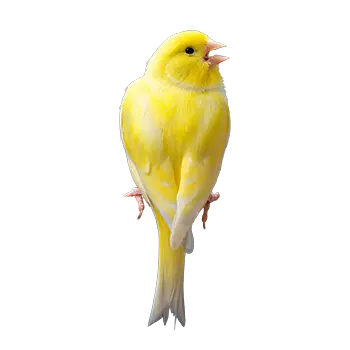

The American Singer Canary is a relatively long-lived small bird, with well-cared-for individuals commonly reaching ten to fifteen years of age. The transition from prime adulthood into the senior stage is gradual rather than abrupt, and recognizing the early signs of aging allows keepers to adapt their care approach proactively rather than reactively. Most American Singer Canaries begin showing signs of aging between seven and nine years, though the pace varies considerably based on genetics, lifetime diet quality, environmental conditions, and overall health history.
One of the earliest and most noticeable changes in a senior canary is a gradual reduction in singing frequency, duration, and volume. A male that once sang vigorously for hours each day may begin limiting his performances to shorter sessions, singing more softly, or dropping certain passages from his repertoire. This decline reflects lower testosterone levels and reduced respiratory capacity rather than any loss of desire to sing. Many senior males continue to produce beautiful song well into old age, albeit in a more measured and subdued manner than during their prime.
Physical changes accompany the vocal decline. Feather quality may deteriorate slightly with each successive molt, with plumage appearing less tightly structured and colors becoming marginally duller. The bird's posture may shift, with a tendency to perch lower in the cage and rest more frequently during the day. Flight becomes less frequent and shorter in distance, and the bird may prefer to hop between closely spaced perches rather than flying across the cage. Foot grip strength can diminish, making smooth or thin perches more challenging to navigate.
Behavioral shifts in senior canaries tend to be subtle but meaningful. An aging bird may become less reactive to environmental changes, taking longer to adjust to cage rearrangements or new objects. Sleep duration often increases, with the bird settling for the night earlier and rising later. Appetite may decrease modestly, and food preferences can shift, with some seniors developing stronger preferences for softer, more easily consumed items while reducing their intake of harder seeds. These changes are part of the normal aging process and, individually, do not indicate illness, but collectively they signal that the bird has entered a life stage requiring adjusted care.