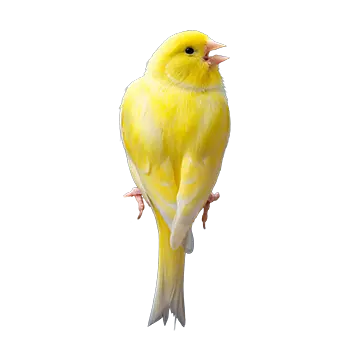

The adult American Singer Canary thrives on consistency. Establishing and maintaining a predictable daily routine provides the stability that allows this sensitive songbird to feel secure in its environment, sing freely, and maintain optimal health over the course of its prime years, which typically span from approximately one year of age through seven or eight years. A well-structured day accounts for the bird's natural rhythms of activity, rest, feeding, and vocalization, creating a framework that supports both physical and behavioral well-being.
Begin each morning by uncovering the cage at a consistent time, ideally aligned with natural sunrise or the household's regular waking hour. American Singer Canaries are diurnal birds that become active with the light, and most males launch into their morning song within minutes of the cage cover being removed. This morning singing session is often the most vigorous and sustained of the day, and providing a calm, undisturbed environment during this period allows the bird to express its full vocal repertoire. Refresh food and water immediately after uncovering, removing any uneaten fresh foods from the previous day and providing clean seed, water, and any supplements.
Throughout the day, the canary alternates between periods of singing, feeding, bathing, preening, and rest. Offer a bathing dish in the late morning, as most canaries prefer to bathe during the warmest part of the day and need time to dry their plumage before the evening cool. Remove the bath after an hour to prevent water contamination. The midday hours often bring a quieter period during which the bird rests on a favored perch, preens its feathers, and may nap briefly. Afternoon activity typically increases again, with another round of singing and active movement around the cage.
As evening approaches, the canary's activity level naturally declines. Cover the cage at a consistent time each evening to signal the end of the day and ensure the bird receives ten to twelve hours of uninterrupted darkness for proper rest. Sleep deprivation caused by irregular light exposure, late-night household activity, or artificial lighting disrupts the hormonal cycles that regulate molting, singing, and overall health. A dedicated, quiet sleeping location away from television screens and bright lights is ideal if the cage's daytime position is in a high-traffic area of the home.