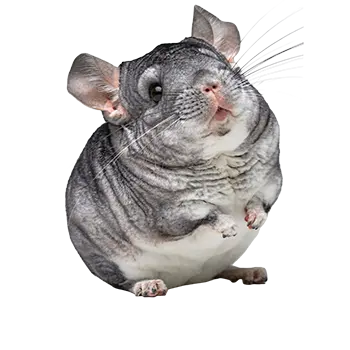

Adult chinchillas, generally considered fully mature by around one year of age, enter a long and relatively stable period of life that can last well over a decade with proper care. This is the stage where the habits and routines established during the juvenile period pay the greatest dividends. A healthy adult chinchilla should have bright, clear eyes, dense and even fur, consistent energy levels during its active hours, and firm, uniform fecal pellets. Any deviation from these baseline indicators warrants closer observation and potentially a veterinary consultation.
Annual wellness examinations with an exotic animal veterinarian are the cornerstone of preventive health care for adult chinchillas. These visits should include a thorough physical examination with particular attention to the teeth, a weight check, and a discussion of any changes in behavior, appetite, or droppings. Because chinchillas are prey animals that instinctively hide signs of illness, subtle changes that an owner might dismiss as minor can be the first indicators of a developing problem. A veterinarian who sees the animal regularly is better positioned to detect these early warning signs.
Maintaining a stable, climate-controlled environment remains essential throughout adulthood. The same temperature range of 60 to 70 degrees Fahrenheit that was critical during the newborn and juvenile stages continues to apply for the life of the animal. Heat stroke is one of the most common preventable causes of death in pet chinchillas, and owners should have reliable cooling strategies in place for warm weather. A ceramic tile or granite slab placed in the cage provides a cool resting surface, and frozen water bottles wrapped in fleece can offer additional relief during temperature spikes.
Stress management is an often overlooked aspect of maintaining peak health. Chinchillas are sensitive to environmental disruptions, including changes in cage location, introduction of new household members or pets, construction noise, and irregular schedules. Chronic stress can suppress the immune system, trigger fur chewing, reduce appetite, and exacerbate underlying health conditions. Keeping the chinchilla's environment as predictable and calm as possible supports long-term well-being.