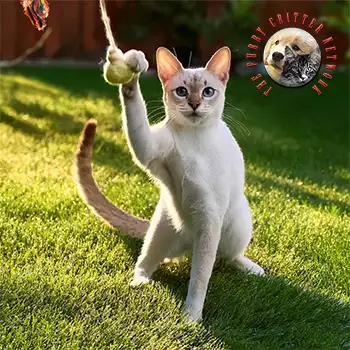

The Singapura is the smallest recognized domestic cat breed, but what it lacks in size it makes up for in energy and metabolic demand. These cats are perpetual motion machines, darting from perch to perch and engaging in bursts of vigorous play throughout the day. Their compact bodies burn calories at a surprisingly high rate relative to their weight, which means their food must deliver concentrated nutrition without excessive bulk.
Because Singapuras are so small, even minor fluctuations in weight can be significant. A half-pound gain on a six-pound cat represents a much larger percentage of body mass than it would on a larger breed. This makes caloric precision especially important. Overfeeding leads to rapid weight gain that stresses their tiny joints and organs, while underfeeding leaves them lethargic and unable to sustain their naturally high activity level.
Protein should form the cornerstone of a Singapura's diet. As obligate carnivores, cats derive their essential amino acids — including taurine, arginine, and lysine — from animal-based protein sources. Look for foods where a named animal protein appears as the first ingredient. Fat content should be moderate to high, supporting energy needs and maintaining the breed's distinctively sleek, close-lying coat.
Singapuras can be prone to certain sensitivities, so monitoring how they respond to dietary changes is important. Introduce new foods gradually over seven to ten days, mixing increasing proportions of the new food with the old. Watch for signs of digestive upset, changes in coat quality, or shifts in energy level, all of which can indicate that a particular formula isn't agreeing with your cat.