
Bengal Cat Breed Guide - Furry Critter Network

Bengal

Quick Facts

🧬 Breed Group
Hybrid
πŸ“ Size Category
Medium to Large
βš–οΈ Weight
8-15 pounds (females 8-10 lbs, males 10-15 lbs)
⏱️ Life Expectancy
12-16 years
✨ Coat Type
Short to medium, dense, luxuriously soft with a distinctive glitter sheen
πŸͺΆ Coat Length
Short
🎨 Coat Colors
Brown tabby, silver tabby, snow (seal lynx point, seal mink, seal sepia); patterns include spotted and marbled
πŸ‘οΈ Eye Colors
Gold, green, hazel, blue (in snow varieties)
😊 Temperament
Athletic, Curious, Confident, Vocal, Intelligent, Energetic
πŸ”Š Vocalization
Moderate to High β€” chatty with a wide range of unusual vocalizations
πŸ‘Ά Good With Children
Yes, with active older children
🐾 Good With Other Pets
Yes, with proper introduction; may have high prey drive toward small animals

Bengal Cat - Names & Recognition

Bengal Cat is the most widely used common name for the breed formally registered as the Bengal across all major cat fancy organizations. The two designations are entirely interchangeable in everyday use, with Bengal Cat appearing more frequently in general consumer contexts, veterinary settings, and popular media, while Bengal alone tends to predominate in breed club literature, show catalogs, and registry documents. The distinction carries no formal significance β€” both names identify the same breed, and neither is considered incorrect in any setting.

The breed's name derives from the scientific name of its wild ancestor, Prionailurus bengalensis, the Asian Leopard Cat. This small wild felid, native to a broad range of South, Southeast, and East Asian habitats, contributed the Bengal's most visually striking characteristics: its spotted or marbled coat pattern, its muscular build, and the distinctive glitter sheen that distinguishes the coat from that of any other domestic breed. The use of the ancestral species name was a deliberate choice by breed founder Jean Sugden Mill, who wanted a name that communicated the breed's unique hybrid heritage while signaling its status as a fully domesticated companion animal.

In formal registry contexts, the International Cat Association was the first major organization to recognize the Bengal, granting it New Breed and Color status in 1983 and full Championship status in 1991. TICA remains the primary registry for the breed globally and maintains the most comprehensive Bengal breed standard. The Governing Council of the Cat Fancy in the United Kingdom recognized the Bengal in 1997, and the FΓ©dΓ©ration Internationale FΓ©line followed with recognition that placed the breed in its Category III grouping for shorthaired cats. The Cat Fanciers' Association, historically more conservative about hybrid breeds, admitted Bengals to its Miscellaneous class in 2016, a more recent recognition that reflects the breed's long-established legitimacy in international cat fancy.

The breed is sometimes informally referred to as the Leopard Cat in casual conversation, a name that reflects its visual resemblance to wild spotted felids but is technically imprecise and should not be confused with the actual Asian Leopard Cat, which is a wild species and not a suitable pet. Other informal designations that appear occasionally include Mini Leopard or Domestic Leopard, both of which emphasize the breed's wild aesthetic but are not recognized names in any formal registry context.

Cat Registry Recognition

  • The International Cat Association (TICA): Recognized in 1986, Hybrid Breeds
  • Cat Fanciers' Association (CFA): Recognized in 2016, Miscellaneous
  • FΓ©dΓ©ration Internationale FΓ©line (FIFe): Recognized, Category III
  • Governing Council of the Cat Fancy (GCCF): Recognized in 1997, Foreign
  • American Cat Fanciers Association (ACFA): Recognized, Hybrid Division

Bengal Cat Physical Description

The Bengal Cat is a medium to large domestic cat with an unmistakably athletic physique that communicates power, agility, and readiness for movement even at rest. Adult males typically weigh between 10 and 15 pounds; females are consistently smaller, ranging from 8 to 10 pounds. The body is long, muscular, and substantial without approaching heaviness, with a notable prominence of the hindquarters that places the rump slightly higher than the shoulders when the cat stands naturally β€” a structural characteristic inherited from the Asian Leopard Cat and considered a desirable trait in the breed standard.

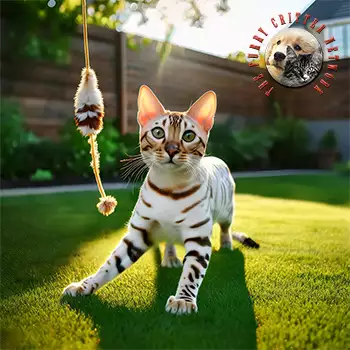
The coat is the Bengal Cat's most celebrated physical feature and the characteristic that most consistently draws admiration from those encountering the breed for the first time. It is short to medium in length, lying close to the body in a manner that emphasizes rather than softens the underlying muscle mass. The texture is extraordinarily soft β€” often compared to pelt rather than typical cat fur β€” and many individuals display a characteristic glitter effect in which each hair reflects light with a metallic, almost iridescent quality. This glitter sheen has no equivalent in any other domestic cat breed and is one of the most coveted traits among Bengal breeders and enthusiasts.

The pattern is what draws the most immediate visual attention. Bengals are recognized in spotted and marbled patterns, with the spotted variant further divided into random spotting and the more prized rosette pattern in which spots develop a two-toned, outlined structure reminiscent of the markings of wild leopards and jaguars. True rosettes β€” arrowhead, donut, paw-print, and cluster types β€” are considered the gold standard of Bengal coat patterning and command significant attention at shows. The marbled pattern, by contrast, consists of swirling, horizontally flowing patterns with random asymmetry that distinguishes it from the classic tabby's more concentric bullseye arrangement.

Accepted base colors include brown tabby, silver tabby, and snow, with snow further divided into three genetic variants β€” seal lynx point, seal mink, and seal sepia β€” each producing slightly different degrees of contrast and background warmth. The face features prominent facial markings, wide-set eyes that are large and oval to almond-shaped, and a broad nose with a slight puff to the nose leather. The ears are medium-sized, wide at the base, with rounded tips and, in many individuals, the ocelli β€” pale thumb-print markings on the back of the ear β€” that are a hallmark of wild felid species and further reinforce the Bengal's exotic visual identity.

Affectionate With Family
Bengal Cats form strong, devoted bonds with their family members and express affection actively and on their own terms. They are not typically lap cats in the traditional sense β€” they prefer to be near their people rather than still on top of them β€” but their desire for companionship is genuine and consistent. They follow family members throughout the house, supervise daily activities with intense interest, and will headbutt, rub, and vocalize to initiate interaction with the people they trust most.
Good With Young Children
Bengal Cats can thrive alongside children who are old enough to engage with them actively and respectfully. Their high energy and love of interactive play make them natural companions for older children who can match their pace. Very young children who handle cats unpredictably or who cannot read feline body language may frustrate a Bengal, which has limited tolerance for unwanted restraint. With appropriate introductions and parental supervision during early interactions, Bengals and children often develop energetic, mutually enjoyable relationships.
Good With Other Cats
Bengal Cats are generally social with other cats when introductions are managed thoughtfully, though their dominant, high-energy personalities can overwhelm more placid or timid feline housemates. They do best with companions of similar energy levels β€” another active breed or a confident cat that can hold its own during vigorous play sessions. A Bengal with a shy, low-energy companion may become a persistent source of stress for the resident cat, making compatibility assessment an important step before adding a Bengal to a multi-cat household.
Shedding Level
The Bengal Cat's short, dense coat is a practical advantage for owners who prefer a lower-shedding companion. While no cat is truly non-shedding, Bengals produce noticeably less loose hair than most medium and longhaired breeds, and their coat does not form the cottony undercoat tangles that contribute to heavy shedding in other cats. Weekly brushing is sufficient for most Bengals under normal conditions, with slightly more attention during seasonal coat transitions.
Coat Grooming Frequency
Grooming demands for the Bengal Cat are among the lowest of any cat breed. The short, tight coat requires minimal intervention beyond weekly brushing to remove loose hairs and distribute skin oils. Most Bengals are fastidious self-groomers whose coats remain sleek and clean with little human assistance. Regular nail trimming, ear checks, and dental care complete the routine grooming requirements for this otherwise low-maintenance breed.
Coat Type
The Bengal Cat's coat is one of its most admired physical features β€” short to medium in length, extraordinarily soft to the touch, and frequently displaying a characteristic glitter effect in which individual hairs catch and reflect light. This glitter sheen, present in many but not all Bengals, has no equivalent in other domestic cat breeds and is thought to be a structural feature of the hair shaft inherited from the Asian Leopard Cat ancestry. The coat lies close to the body, accentuating the breed's muscular, athletic build.
Playfulness Level
Among the most playful cat breeds in existence, the Bengal Cat approaches life as a continuous series of opportunities for engagement, exploration, and chase. Their play drive remains intense well into adulthood, and they demand interactive sessions with wand toys, puzzle feeders, and fetch games with a persistence that can surprise owners expecting a more sedentary companion. Bengal Cats that do not receive adequate daily play outlets frequently redirect their energy into behaviors owners find less welcome, including counter surfing, door opening, and the systematic destruction of household items.
Adaptability Level
Bengal Cats adapt reasonably well to different household configurations provided their fundamental needs for activity, mental stimulation, and social engagement are consistently met. They are not ideal candidates for quiet, low-stimulus environments or for owners who are frequently absent for long stretches. In households that provide adequate enrichment, vertical space, and regular interaction, Bengals settle into daily routines with confidence. Environmental changes such as moving or the addition of new pets should be managed gradually, as Bengals can be sensitive to disruptions in their established territory.
Trainability Level
Bengal Cats are exceptionally trainable by cat standards, combining high intelligence with a food motivation and an interest in human interaction that makes positive reinforcement training both effective and genuinely enjoyable. They learn their names, come when called, master leash and harness walking, and acquire tricks ranging from sit and high five to opening specific doors and navigating agility courses. Their trainability is a double-edged quality β€” they learn desired behaviors with impressive speed, and they apply the same cognitive ability to learning exactly how to get whatever they want from their household.
Vocalization Level
Bengal Cats are notably vocal and communicate with a repertoire that extends well beyond the standard domestic cat meow. They produce chirps, chatters, yowls, growls, and a variety of hybrid vocalizations that many owners describe as conversational and expressive. They vocalize to greet, to demand, to comment on household activity, and occasionally simply because they have something to say. Owners who value a quiet household or who are sensitive to persistent noise should weigh this characteristic carefully, as a Bengal with unmet needs can become loudly and persistently vocal at any hour.

Bengal Cat History & Origins

The Bengal Cat's origin story is inextricably linked to one woman's vision and scientific background. Jean Sugden Mill, an American cat breeder with a genetics background, conducted the earliest deliberate crosses between domestic cats and Asian Leopard Cats in the early 1960s. Her initial motivation was partly to discourage the purchase of wild cats for the pet trade by demonstrating that a domesticated cat could carry the wild coat pattern without the behavioral and husbandry challenges of a truly wild animal. Her early work was interrupted for personal reasons, and she did not resume serious breeding efforts until the late 1970s.

The modern Bengal breed traces its foundations to Mill's collaboration with Dr. Willard Centerwall, a geneticist at Loma Linda University who had been crossing Asian Leopard Cats with domestic cats as part of research into feline leukemia virus resistance β€” the Asian Leopard Cat is naturally resistant to certain strains of FeLV that affect domestic cats. When Centerwall's research program ended, Mill acquired several of his hybrid females and crossed them with a feral domestic male she had obtained from a shelter in New Delhi, as well as with a spotted brown tabby domestic male. These crosses, combined with later introductions of Egyptian Mau, Abyssinian, Ocicat, and other spotted and ticked domestic breeds, formed the genetic foundation of the Bengal as it exists today.

The breed's recognition history reflects the cat fancy establishment's cautious approach to hybrid breeds. TICA granted New Breed and Color status in 1983, recognizing the Bengal as a breed in development rather than granting it immediate access to championship competition. Full Championship status followed in 1991, by which point the Bengal population had grown substantially and breeders had demonstrated consistent production of cats meeting the developing standard. The requirement for cats to be at least four generations removed from the wild Asian Leopard Cat ancestor β€” designated SBT, or Stud Book Tradition, by TICA β€” was established to ensure that Bengal Cats sold as pets had genuinely domesticated temperaments rather than the unpredictability associated with earlier-generation hybrids.

From its origins in California, the Bengal breed spread rapidly across the United States and then internationally during the 1990s and 2000s. The breed's extraordinary visual appeal and the novelty of owning a domestic cat with the appearance of a wild leopard drove intense demand. By the 2010s, Bengals had become one of the most registered cat breeds globally, with active breeding communities across North America, Europe, Australia, and Asia. This rapid expansion brought with it both dedicated breeders committed to health testing and breed improvement and opportunistic breeders prioritizing appearance over temperament and health β€” a disparity that makes breeder research particularly important for prospective Bengal Cat owners.

Bengal Cat Temperament & Personality

The Bengal Cat is one of the most behaviorally distinctive domestic cat breeds, and prospective owners who approach it expecting a conventional companion cat frequently find themselves surprised by the intensity and specificity of what the Bengal requires and offers. This is not a cat that accepts passivity on the part of its household. Bengals are active participants in domestic life β€” observant, opinionated, and persistent in pursuing whatever has captured their attention, whether that is a toy, a running faucet, or the contents of a cabinet they have decided merits investigation.

The Bengal Cat's intelligence is both its greatest appeal and its greatest management challenge. These cats learn quickly, retain information effectively, and apply problem-solving skills to their environment with a directness that routinely astonishes owners encountering the breed for the first time. They figure out how doors, latches, and handles work. They understand cause-and-effect relationships well enough to manipulate household members deliberately. They remember the location of food storage, the routine of feeding times, and the behaviors that reliably produce desired responses from the humans in their lives. This cognitive sophistication makes them highly trainable and endlessly engaging β€” and it means they require consistent mental stimulation to remain behaviorally healthy.

Physically, Bengal Cats are among the most active domestic breeds. They run, climb, leap, and explore with an energy level that persists well beyond kittenhood and does not diminish significantly with age until the senior years. They are strongly drawn to water β€” a trait inherited from the Asian Leopard Cat, which frequently hunts near streams and does not avoid wet environments as most domestic cats do. Many Bengal Cats deliberately splash in water bowls, join their owners in showers, and seek out any running water source in the household with focused determination. This water fascination is charming to many owners and a practical management consideration for all of them.

Socially, Bengals are bonded and loyal to their family members but on terms that reflect their confident, somewhat independent nature. They are not typically the cats that dissolve into a lap and request hours of passive cuddling; they prefer active engagement β€” play, exploration, conversation β€” and express affection through persistent proximity and participation in household activities rather than through extended physical stillness. They do form deep attachments and can experience genuine stress in the absence of adequate social contact, making them poorly suited to households where they would be left alone for most of the day without feline companionship or substantial environmental enrichment.

Care Requirements

Providing appropriate care for a Bengal Cat requires a more deliberate and resource-intensive approach than most domestic cat breeds demand. The Bengal's high activity level, exceptional intelligence, and strong drive for environmental engagement translate directly into care requirements that go meaningfully beyond food, water, litter, and periodic veterinary visits. Owners who understand and prepare for these requirements find the Bengal an extraordinarily rewarding companion; those who do not often find themselves managing a cat whose unmet needs express themselves through behaviors that are difficult to live with.

Vertical space is a non-negotiable element of a Bengal Cat's environment. These cats climb instinctively and enthusiastically, and they require structures that can support their athletic build and accommodate their habit of reaching the highest available point in any room. Full-height cat trees, wall-mounted cat shelves arranged in climbing sequences, and secure access to elevated perches give the Bengal the vertical territory it needs to feel physically satisfied and psychologically secure. Standard kitten-sized cat furniture is inadequate for this purpose and will be abandoned or destroyed in short order.

Enrichment must be varied and rotated regularly to maintain its effectiveness. Bengal Cats habituate quickly to static enrichment β€” a toy that was compelling on Monday may hold no interest by Thursday β€” which means that owners must actively manage the novelty of their cat's environment. Puzzle feeders that require problem-solving for food access, rotating toy selections introduced on a schedule, window perches with views of bird feeders, and supervised outdoor time in a secure enclosure or on a leash and harness all contribute to a Bengal's daily enrichment budget. Many Bengal owners also invest in cat wheel exercise equipment, which allows high-intensity running that the Bengal performs voluntarily and with evident enjoyment.

Litter box management deserves specific attention with Bengal Cats. This breed is notably particular about litter box cleanliness and will protest inadequate hygiene through house soiling with a directness that leaves little ambiguity about its dissatisfaction. A minimum of one litter box per cat plus one additional box is the standard recommendation, with scooping at least once daily and full substrate replacement on a regular schedule. Bengal Cats also tend to prefer uncovered boxes that allow them to survey their environment during use β€” a behavioral vestige of the vigilance that characterizes their wild ancestors.

Feeding & Nutrition

The Bengal Cat's nutritional needs are consistent with those of other domestic cats in terms of fundamental macronutrient requirements, but the breed's high activity level and muscular body composition mean that caloric management and protein quality deserve particular attention. As obligate carnivores, Bengal Cats require a diet in which animal-sourced protein is the primary and predominant macronutrient. Diets listing named animal proteins β€” chicken, turkey, rabbit, salmon, or other identifiable meat sources β€” as the first ingredient provide the amino acid profile that supports muscle maintenance, immune function, and the dense, healthy coat that is one of the breed's most admired attributes.

Many Bengal Cat owners and breeders advocate for a raw or minimally processed diet, citing the breed's wild heritage and arguing that a diet closely approximating what an Asian Leopard Cat would consume in nature provides optimal nutritional support. While this perspective has intuitive appeal, raw diets carry genuine risks including bacterial contamination, nutritional imbalance, and the presence of parasites if ingredients are not sourced and handled with rigorous care. Owners interested in raw feeding should consult with a veterinarian experienced in feline nutrition before transitioning and should use commercially prepared raw diets that have undergone pathogen testing rather than assembling home-made raw meals without professional guidance.

High-quality wet food forms an excellent dietary foundation for Bengal Cats and carries the additional benefit of contributing meaningfully to daily water intake. As with all cats, Bengals have a naturally low thirst drive relative to their hydration needs, and chronic subclinical dehydration is associated with urinary tract disease and accelerated kidney aging. Wet food significantly mitigates this risk without requiring behavioral modification. Dry food can be incorporated as a portion of the diet without concern provided it is high quality and calorie-controlled, but should not be offered free-choice to a breed as food-motivated as the Bengal.

Portion control is essential for this breed. Despite their high activity level, Bengal Cats gain weight readily when caloric intake is not managed, and excess body weight places disproportionate mechanical stress on the joints of an already heavy-framed, athletic cat. Measured meals twice daily, with treat calories accounted for within the daily budget, represent the most reliable approach to weight management. Body condition scoring at every veterinary visit provides an objective check on weight trends that self-assessment by the cat's owner may miss.

Bengal Cat Health & Lifespan

The Bengal Cat is a generally healthy breed with a life expectancy of 12 to 16 years, and well-cared-for individuals with access to attentive veterinary oversight and appropriate husbandry regularly achieve the upper portion of this range. The breed's hybrid origins introduced a degree of genetic diversity that tends to confer broader disease resistance than is seen in some highly inbred pedigreed breeds, but several specific health concerns have been identified through veterinary research and breeder experience that prospective and current owners should understand.

The most immediately actionable genetic health concern in the Bengal Cat is the breed-specific form of progressive retinal atrophy caused by a mutation in the CEP290 gene. This autosomal recessive condition is entirely preventable through responsible breeding β€” two carrier parents must both contribute the mutation for offspring to be affected β€” and genetic testing is widely available and used by conscientious breeders. Owners acquiring Bengal Cats from breeders should request documentation of PRA testing for the kitten's parents as a baseline expectation rather than an exceptional request.

Hypertrophic cardiomyopathy represents the most significant non-preventable health concern in the breed. Unlike some other predisposed breeds, a specific causative mutation has not been confirmed in Bengals, which means genetic testing cannot currently provide the same reassurance it does in Maine Coons. Regular echocardiographic screening by a veterinary cardiologist remains the most reliable tool for detecting HCM before it produces clinical signs, and the importance of this monitoring should not be underestimated given the acute nature of many HCM-related cardiac events in cats.

The Bengal Cat's high activity level and confident personality can make it a challenging patient in veterinary settings. Bengals frequently become aroused or defensive when confined and handled by strangers, and they are capable of inflicting significant injuries when stressed. Establishing a relationship with a veterinarian experienced with active, assertive cat breeds and discussing low-stress handling protocols β€” including the use of pheromone products, minimal restraint techniques, and in some cases pre-visit anxiolytic medications β€” improves both the safety and the quality of veterinary care delivered to this breed.

Common Health Issues

  • Hypertrophic Cardiomyopathy - HCM is documented in Bengal Cats and involves pathological thickening of the heart muscle walls that compromises cardiac output and can lead to congestive heart failure or arterial thromboembolism. Regular echocardiographic screening by a veterinary cardiologist is recommended beginning at two years of age, with repeat examinations every one to two years. While a specific causative genetic mutation has not been confirmed in Bengals as it has in Maine Coons, the condition is sufficiently prevalent in the breed to warrant proactive monitoring.
  • Progressive Retinal Atrophy - A form of inherited progressive retinal atrophy specific to Bengal Cats has been identified and is caused by a mutation in the CEP290 gene. This autosomal recessive condition causes gradual photoreceptor degeneration leading to night blindness in early stages and progressive vision loss over time. Genetic testing is available and is used by responsible breeders to identify carriers and prevent the production of affected offspring. There is currently no treatment, but genetically affected cats can adapt well to consistent indoor environments.
  • Tritrichomonas foetus Infection - Bengal Cats show a notable prevalence of gastrointestinal infection with the protozoal parasite Tritrichomonas foetus, which causes chronic, intermittent large-bowel diarrhea. The condition is often misdiagnosed as other forms of inflammatory bowel disease or dietary intolerance. Diagnosis requires specialized fecal PCR testing, as standard fecal flotation does not reliably detect this organism. Treatment with ronidazole under veterinary supervision is effective but requires careful dosing due to potential neurological side effects.
  • Flat-Chested Kitten Syndrome - Bengal kittens have a documented higher-than-average incidence of flat-chested kitten syndrome, a developmental condition in which the thorax is compressed to varying degrees during the first weeks of life. Mild cases may resolve spontaneously with supportive care; severe cases can compromise respiratory function and carry a guarded prognosis. Experienced Bengal breeders monitor neonates closely for early signs and are familiar with supportive positioning and feeding techniques that improve outcomes in affected kittens.
  • Distal Neuropathy - A neurological condition affecting some Bengal lines has been documented in which affected cats develop progressive weakness, loss of coordination, and muscle atrophy beginning in the hindlimbs. The condition typically presents in young adults and may progress at variable rates. The underlying genetic mechanism has been investigated but is not fully characterized. There is no curative treatment, and management focuses on supportive care and quality of life maintenance.

Preventive Care & Health Monitoring

  • Genetic Testing for PRA-b - Prospective Bengal Cat owners should request documentation confirming that the kitten's parents have been tested for the Bengal-specific CEP290 progressive retinal atrophy mutation. Reputable breeders test all breeding cats and can provide laboratory certificates from recognized genetic testing services. This single test eliminates the risk of producing visually affected offspring when used correctly in breeding programs.
  • Regular Echocardiographic Cardiac Screening - Given the documented occurrence of hypertrophic cardiomyopathy in Bengal Cats, annual or biennial echocardiographic examinations by a board-certified veterinary cardiologist are a recommended component of ongoing preventive care. Early detection of cardiac changes allows for timely medical management that can meaningfully slow disease progression and reduce the risk of acute cardiac events.
  • Fecal PCR Testing for Tritrichomonas foetus - Bengal Cats with chronic or intermittent large-bowel diarrhea that does not resolve with dietary modification should be tested for Tritrichomonas foetus via fecal PCR, particularly if they have had any exposure to other cats at shows, catteries, or shelters. Informing the veterinarian of the breed when presenting for gastrointestinal complaints helps ensure appropriate diagnostic consideration of this breed-prevalent pathogen.
  • Annual Wellness Examinations with Bloodwork - Annual veterinary wellness visits that include physical examination, body weight assessment, dental evaluation, and baseline blood and urine analysis provide the foundation for catching subclinical disease in its earliest stages. Bengal Cats are active and can mask discomfort effectively, making regular objective assessment particularly valuable. Senior Bengals aged seven and older benefit from twice-yearly examinations and more frequent monitoring of kidney and thyroid function.
  • Environmental Enrichment and Weight Management - Bengal Cats are high-activity animals that require substantial daily physical and mental stimulation to remain psychologically healthy. Chronic under-stimulation contributes to stress-related health and behavioral problems. Maintaining lean body weight through portion-controlled feeding, a nutritionally complete diet, and daily interactive play also reduces long-term joint stress and lowers the risk of metabolic disease. Free-feeding is not recommended for a breed as food-motivated and activity-dependent as the Bengal.
  • Dental Hygiene Program - Regular dental care beginning in kittenhood establishes habits that substantially reduce the risk of periodontal disease throughout the Bengal Cat's life. Daily tooth brushing with a feline-formulated enzymatic toothpaste is the most effective at-home intervention. Veterinary dental cleanings under general anesthesia should be scheduled at the frequency recommended by the attending veterinarian based on individual oral health assessment, typically every one to three years depending on the cat's response to home care.

Coat Color & Grooming

The Bengal Cat's grooming requirements are among the most manageable of any cat breed, a fortunate counterweight to the more demanding aspects of Bengal ownership. The short, dense coat does not mat, does not produce the cottony undercoat tangles characteristic of medium and longhaired breeds, and is maintained effectively by the Bengal's own fastidious self-grooming behavior under normal conditions. Weekly brushing with a soft-bristle brush or grooming glove removes loose hairs, distributes skin oils, and provides an opportunity for the owner to examine the coat and skin condition while reinforcing the handling that makes veterinary examinations less stressful.

The glitter effect present in many Bengal Cats β€” a structural feature of the hair shaft that causes individual hairs to reflect light with a metallic, almost luminescent quality β€” is most visible in natural or strong artificial light and is not a product of any grooming intervention. It appears in varying intensity across individuals and is entirely unrelated to coat health or cleanliness. Owners who bathe their Bengals occasionally report that the glitter becomes particularly vivid after bathing, likely because the removal of accumulated oils and environmental particulates allows the light-reflecting structure of the hair shaft to express itself more fully.

Bathing Bengal Cats is notably more feasible than bathing most domestic cats, as the breed's inherited relationship with water means that many individuals accept water with minimal complaint when introduced to bathing gradually and positively during kittenhood. Occasional bathing β€” every six to eight weeks or as needed β€” helps control dander, reduces allergen load for household members with cat sensitivities, and keeps the coat in optimal condition. Thorough drying after bathing prevents chill and maintains the coat's characteristic sleek appearance.

Nail trimming every two to three weeks, ear examination and cleaning as needed using a veterinarian-recommended ear cleaning solution, and regular dental care complete the Bengal Cat's routine maintenance requirements. Ear hygiene is worth particular attention in this breed, as some individuals are prone to waxy accumulation that benefits from periodic gentle cleaning. Introducing all grooming procedures during early kittenhood, using positive reinforcement and brief sessions that end before the cat becomes agitated, creates the cooperative handling response that makes lifetime grooming manageable for both cat and owner.

Children & Other Pets

The Bengal Cat's suitability for family life with children depends considerably on the age and temperament of the children involved and on the household's capacity to provide the activity level the Bengal requires independently of its interactions with young people. Older children who approach animals with respect, who can read and respond to feline body language, and who are interested in active, interactive engagement with a pet will find in the Bengal Cat a genuinely enthusiastic and entertaining companion. The Bengal's playfulness, trainability, and energy match well with the natural exuberance of school-aged children, and the breed's robust physical constitution means it can participate in vigorous play without the fragility concerns that apply to smaller or more delicate breeds.

Very young children β€” toddlers and preschool-aged children whose impulse control is still developing β€” present a more complex management challenge. The Bengal Cat has limited patience for involuntary restraint, unexpected loud noises, and unpredictable handling, and unlike more passive breeds, it will not simply endure discomfort indefinitely. A Bengal that feels threatened or overstimulated will remove itself decisively, and if removal is prevented, it will communicate its objection with the directness characteristic of a confident, assertive cat. Adult supervision of all interactions between Bengal Cats and very young children, combined with consistent teaching of respectful animal handling from the earliest opportunity, is essential in households that include both.

With other cats, Bengal compatibility depends significantly on the personality and energy level of the existing resident animal. Bengal Cats play hard, move fast, and tend toward social assertiveness β€” qualities that pair naturally with other high-energy breeds or confident individuals but that can be profoundly disruptive to timid, elderly, or low-energy cats who prefer a quieter existence. A Bengal introduced to a household with a sedate, older cat may, despite the owner's best intentions and a careful introduction protocol, persistently stress the resident cat through vigorous pursuit play that the resident does not welcome. Honest assessment of existing pets' personality and tolerance for high-intensity interaction is an important step before adding a Bengal to a multi-cat home.

Dogs present a more variable picture. Bengal Cats are sufficiently confident and physically capable that they are rarely intimidated by dogs, which eliminates much of the fear-based reactivity that complicates cat-dog introductions in more timid breeds. A Bengal introduced to a dog that has been appropriately socialized with cats and that does not have a strong prey drive can develop a genuinely companionable relationship over time, with play, mutual grooming, and shared sleeping space all possible outcomes of a successful integration. Small pets β€” rodents, birds, reptiles β€” should be considered at permanent risk in a household with a Bengal Cat, which retains a fully functional hunting drive and the physical ability to act on it effectively, regardless of how well-socialized or calm the individual cat appears in other contexts.