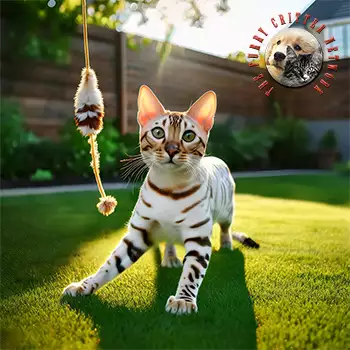

Harnesses, Leashes & Collars

Bengals are among the best candidates for leash training in the cat world, thanks to their confidence, curiosity, and desire for stimulation. A well-fitted harness is the foundation of safe outdoor walking. Vest-style or H-style harnesses are preferable to collar-only setups, as Bengals are strong and agile enough to slip out of a standard collar in seconds. The harness should fit snugly without restricting movement — you should be able to slide two fingers between the harness and the cat's body, but no more.

Look for harnesses with adjustable straps at multiple points, including the chest, neck, and belly. Bengals have muscular, wedge-shaped bodies that do not always conform to standard sizing, so adjustability is more important than getting the exact labeled size. Escape-proof designs with secondary safety clips or dual attachment points are worth seeking out, particularly for Bengals that are still being trained or are likely to startle at outdoor stimuli.

Leash selection should prioritize a lightweight, non-retractable design. Retractable leashes are dangerous for cats because the sudden stop at full extension can injure the cat or cause panic. A standard four-to-six-foot leash made from lightweight nylon or cotton webbing provides enough range for exploration while keeping the cat close enough for control. Bungee-style leashes with slight elasticity can absorb sudden lunges without jarring the cat.

Breakaway collars are recommended for Bengals that wear collars indoors, as these are designed to release under pressure if the collar catches on furniture, branches, or other objects. If your Bengal wears a collar for identification purposes, ensure it is fitted properly and includes current contact information on an attached tag. However, a collar alone is not sufficient for outdoor walks — always use a harness for leash walking.

Grooming Tools

The Bengal's short, dense coat is relatively low-maintenance compared to long-haired breeds, but regular grooming still contributes to coat health and reduces shedding around the home. A rubber grooming mitt or a soft-bristle brush is usually sufficient for weekly brushing. These tools remove loose hair and distribute natural oils across the coat without irritating the skin or damaging the fine texture of the Bengal's distinctive pelt.

Bengals typically shed less than many other breeds, but they are not hypoallergenic. During seasonal shedding periods in spring and fall, increased brushing frequency — every other day rather than weekly — helps manage loose hair. A fine-toothed deshedding tool can be useful during heavy shedding, but use it gently and sparingly, as the Bengal's coat is not as thick as double-coated breeds and aggressive deshedding can damage the remaining coat.

Nail trimming is essential and should be done every two to three weeks. Bengals are active climbers and scratchers, and while they will naturally wear down their claws to some extent, untrimmed nails can snag on fabric, scratch skin during play, and even grow into the paw pad if neglected. Guillotine-style or scissor-style cat nail clippers both work well. Introduce nail trimming early in your Bengal's life to build tolerance, and pair each session with treats to create a positive association.

Ear cleaning and dental care round out the grooming routine. Bengals can be prone to waxy ears, particularly those with larger ear canals. A gentle ear cleaning solution applied to a cotton ball once or twice a month keeps ears healthy. For dental care, finger-tip brushes with enzymatic cat toothpaste are the most practical option. Dental treats and water additives can supplement brushing but should not replace it.

Bowls & Feeders

Bowl selection for Bengals should prioritize material, depth, and stability. Stainless steel and ceramic are the best materials because they are easy to clean, do not harbor bacteria the way plastic can, and do not cause the chin acne that some cats develop from prolonged contact with plastic bowls. Ceramic bowls have the added benefit of weight, making them harder for a playful Bengal to flip or slide across the floor.

Whisker-friendly bowls with wide, shallow profiles are ideal for Bengals. Deep, narrow bowls can cause whisker fatigue — a condition where the cat's sensitive whiskers press against the bowl sides during eating, creating discomfort that may cause the cat to eat less or paw food out of the bowl. Wide, flat dishes or saucer-style bowls eliminate this issue and allow the cat to eat comfortably.

Puzzle feeders and slow-feeder bowls are particularly well-suited to Bengals because they transform mealtime into a mental challenge. Bengals that eat too quickly can experience vomiting and digestive discomfort, and slow-feeder designs with raised ridges or maze patterns force the cat to work for each bite. This not only slows eating speed but provides enrichment that satisfies the Bengal's need for problem-solving.

Water bowls should be placed in a separate location from food bowls, as many cats instinctively prefer to drink away from their food source. This behavior is rooted in wild feline instincts to avoid contaminated water near a kill site. Cat water fountains are an excellent choice for Bengals, as many are attracted to running water and will drink more from a fountain than from a still bowl. Increased water intake supports urinary and kidney health, making a fountain one of the most impactful accessories you can invest in.

Travel Gear

A sturdy, well-ventilated carrier is essential for any Bengal owner, whether for veterinary visits, travel, or emergency evacuation. Hard-sided carriers with secure latches are generally the safest option, as a determined Bengal can claw through soft mesh panels on flexible carriers. Top-loading carriers are particularly useful because they allow you to lower the cat into the carrier rather than pushing it through a front door, which many cats resist.

Carrier size matters for comfort during travel. The carrier should be large enough for your Bengal to stand, turn around, and lie down, but not so large that the cat slides around during vehicle motion. For Bengals, which tend to be larger than average domestic cats, look for carriers rated for cats up to fifteen or twenty pounds even if your cat weighs less — the extra interior space accommodates the Bengal's longer body.

For longer trips, consider a carrier with built-in food and water dishes, a washable liner, and adequate ventilation on multiple sides. Lining the carrier with a familiar blanket or shirt that carries the owner's scent helps reduce travel anxiety. Pheromone sprays designed for cats can also be applied to the carrier interior thirty minutes before travel to create a calming environment.

Cat backpack carriers have become popular for adventurous Bengal owners who want to take their cats on hikes or outdoor excursions. These carriers allow the cat to observe the surroundings through a transparent bubble window or mesh panel while being safely contained. For Bengals, ensure the backpack is well-ventilated and provides enough internal space. Start with short outings to acclimate your cat before attempting longer adventures, and always have a harness on the cat as a backup in case the carrier needs to be opened.

Safety & ID

Microchipping is the single most important safety measure for any Bengal. Unlike collars and tags, which can fall off or be removed, a microchip provides permanent identification that can be scanned by any veterinarian or animal shelter. Ensure your microchip registration is current with your contact information, and update it immediately if you move or change phone numbers. A microchip is only as effective as the registration data behind it.

Breakaway collars with identification tags serve as a visible first line of identification that does not require a scanner. The tag should include the cat's name, your phone number, and ideally a note that the cat is microchipped. Some owners include a secondary tag with a QR code that links to an online profile with additional information, photos, and medical details. This can expedite a reunion if the cat is found by a member of the public.

Window and door security are critical for Bengal owners. These cats are intelligent, dexterous, and motivated enough to learn how to open lever-style door handles, push through loose screens, and squeeze through surprisingly small openings. Secure all windows with sturdy screens or window guards rated for pet use. Childproof locks on lever handles and sliding doors are a worthwhile investment. Consider installing a double-door airlock system at exterior doors if your Bengal is a door dasher — a small vestibule or baby gate that creates a buffer zone prevents escapes during entries and exits.

Poison prevention should be part of every Bengal owner's safety plan. Many common houseplants are toxic to cats, including lilies, which are extremely dangerous even in small amounts. Cleaning products, essential oil diffusers, and certain human foods should be stored securely out of reach. Bengals are more curious and persistent than many breeds when it comes to investigating novel items, so err on the side of caution and assume your Bengal will access anything that is not locked away.

Seasonal Gear

Winter gear for Bengals is primarily focused on maintaining warmth indoors, as most Bengals should not be outdoors unsupervised. Self-warming mats that reflect body heat, heated beds with low-wattage elements, and fleece-lined cat caves are all effective for keeping a short-coated Bengal comfortable during cold months. If your Bengal has access to a catio or outdoor enclosure during winter, ensure a heated shelter is available so the cat can warm up without needing to come back inside.

Summer gear should focus on cooling and sun protection. Cooling mats filled with pressure-activated gel provide a refreshing surface for cats to lie on during hot weather. Elevated mesh beds allow air to circulate underneath the cat, which is more effective at dissipating heat than lying on a solid surface. For Bengals that spend time in outdoor enclosures, shade sails or canopy attachments are essential to prevent overheating and sunburn, particularly for lighter-coated Bengals.

Rainy and muddy conditions require practical accessories if your Bengal walks on a leash or uses an outdoor enclosure. Quick-drying microfiber towels should be kept near the door for wiping down paws and coats after wet outings. Waterproof harnesses made from neoprene or coated nylon dry faster than standard fabric harnesses and resist developing odors from repeated moisture exposure.

Holiday and event seasons bring specific hazards that seasonal gear can address. During fireworks periods and thunderstorm season, anxiety wraps or compression vests can help calm stressed Bengals. These garments apply gentle, constant pressure to the torso, which has a calming effect similar to swaddling. Introduce the wrap during calm periods first so your Bengal associates it with comfort rather than only with stressful events. Pair the wrap with a quiet, enclosed retreat space for maximum effectiveness.

Always consult a qualified professional before making any health-related decisions. This content is provided for informational reference only and should not replace professional guidance specific to your animal.