Nyasa Lovebird Species Guide - Furry Critter Network

Nyasa Lovebird

Quick Facts

🔬 Scientific Name
Agapornis lilianae
📊 Care Level
Moderate
😊 Temperament
Gentle, Playful, Social
📏 Adult Size
5-5.5 inches
⏱️ Lifespan
10-15 years
🔊 Noise Level
Low to Moderate
🗣️ Talking Ability
None
🍽️ Diet Type
Pellet-based
🌍 Origin
Southeastern Africa (Zambia, Malawi, Tanzania, Zimbabwe, Mozambique)
🏠 Min Cage Size
24x18x18 inches minimum
📐 Size
Small

Nyasa Lovebird - Names & Recognition

The Nyasa Lovebird carries the scientific name Agapornis lilianae, placing it within the genus Agapornis alongside eight other recognized lovebird species native to Africa and Madagascar. The species was named in honor of Miss Lilian Sclater, sister of British ornithologist William Lutley Sclater who first described the species in 1894. The genus name Agapornis derives from Greek roots meaning "love bird," perfectly describing the intense pair bonding behavior characteristic of all lovebird species.

This species is commonly known by two primary names - Nyasa Lovebird and Lilian's Lovebird - both of which are widely used and considered equally correct in ornithological and avicultural literature. The name "Nyasa" references the historical name for Lake Malawi (formerly Lake Nyasa), near which the species occurs in significant numbers. The alternative name "Lilian's Lovebird" honors the person for whom the species was named and remains popular particularly in European avicultural circles. Some older texts may refer to the species simply as "Lilian Lovebird" without the possessive apostrophe.

Within the Agapornis genus, the Nyasa Lovebird belongs to the white eye-ring group, which also includes Fischer's Lovebird (Agapornis fischeri), Masked Lovebird (Agapornis personatus), and Black-cheeked Lovebird (Agapornis nigrigenis). These four closely related species share similar morphological features including prominent white orbital rings surrounding the eyes, comparable body structures, and overlapping or adjacent geographic ranges in eastern and southern Africa. The Nyasa Lovebird is considered most closely related to the Black-cheeked Lovebird based on genetic analysis and morphological similarities, and the two species occupy adjacent ranges with some geographic overlap.

There are no officially recognized subspecies of Agapornis lilianae, as the species occupies a relatively cohesive range with minimal morphological variation across populations. Some researchers have noted slight differences in plumage intensity and size between birds from different portions of the range, but these variations are generally attributed to individual variation and environmental factors rather than representing distinct subspecific populations. The species has been less extensively bred in captivity compared to Fischer's or Peach-faced Lovebirds, resulting in fewer color mutations available in the pet trade. However, some color variations including lutino, blue, and pied mutations have been developed through selective breeding, though they remain relatively uncommon compared to mutations in more popular lovebird species.

Nyasa Lovebird Physical Description

The Nyasa Lovebird is one of the smallest lovebird species, measuring approximately 5 to 5.5 inches in length from beak to tail tip, with a typical weight ranging from 35 to 45 grams. This compact size makes them noticeably smaller than the more commonly kept Fischer's or Peach-faced Lovebirds. Despite their diminutive stature, these birds possess the characteristic stocky, robust build typical of lovebirds, with proportionately large heads, short tails, and strong legs that contribute to their active, energetic behavior.

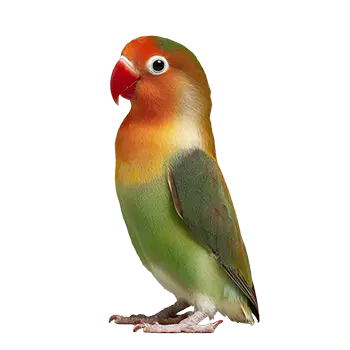
The plumage of wild-type Nyasa Lovebirds displays beautiful yet subtle coloration that distinguishes them from their more vibrantly colored relatives. The most distinctive feature is the salmon-pink to coral-pink coloring covering the forehead, face, throat, and upper breast. This pink facial mask is softer and more delicate in tone compared to the intense orange-red of Fischer's Lovebird, giving the Nyasa Lovebird a gentler, more refined appearance. The pink coloration is brightest on the forehead and gradually transitions through lighter salmon tones toward the throat and upper chest.

The crown, back of head, and nape display yellowish-green coloration that provides a subtle transition between the pink face and the bright grass-green body plumage. The back, wings, and most of the body are covered in vibrant grass-green feathers that provide effective camouflage in the birds' natural mopane woodland habitat. The green body color is slightly brighter and more yellow-toned than in Fischer's Lovebird, contributing to the species' distinctive appearance.

The rump displays a characteristic feature of the white eye-ring lovebird group - bright green coloring that matches the body rather than the blue or violet rump coloration seen in Fischer's and Masked Lovebirds. This green rump is an important field identification marker distinguishing Nyasa Lovebirds from their close relatives. The wings feature darker green flight feathers with the outer edges sometimes showing slight bluish tinting, though this blue coloration is much less prominent than in other white eye-ring species.

The tail is relatively short and squared, predominantly green with subtle color variations. The tail feathers display green coloration with some individuals showing yellowish or orange tones on the inner tail feathers. Black subterminal bands may be present on some tail feathers, though this marking is variable and less consistent than in some other lovebird species. The breast and belly continue the green coloration but in slightly lighter, more yellowish-green tones compared to the back.

One of the most diagnostic features of the Nyasa Lovebird is the prominent white eye-ring - a complete circle of bare white skin surrounding each dark brown to black eye. This white orbital ring contrasts beautifully with the salmon-pink face and provides an important identification characteristic. The beak is bright red to coral-red, stout and strongly hooked as typical of parrots, perfectly adapted for their seed-eating lifestyle. The upper mandible is notably bright red, while the lower mandible may be slightly paler. The legs and feet are grey to pinkish-grey with the characteristic zygodactyl toe arrangement of parrots.

Sexual dimorphism in Nyasa Lovebirds is minimal to absent, making visual sex determination unreliable. Males and females appear virtually identical in plumage coloration, pattern, size, and beak color. Some experienced breeders suggest that females may have slightly broader pelvic bones detectable through gentle palpation, but this method is unreliable and potentially stressful for birds. DNA testing or surgical sexing by a qualified avian veterinarian remains the only definitive method for sex determination. Behavioral observation during breeding season can provide clues, as females typically engage in nest building while males perform courtship feeding, but behavior alone cannot confirm sex.

Juvenile Nyasa Lovebirds display duller plumage compared to adults, with less intense pink facial coloring that appears more peachy or pale salmon. Young birds may show dark markings on the base of the upper mandible that gradually fade as the bird matures. The overall body green is typically duller in juveniles, and the white eye-ring may be less prominent. Full adult coloration develops gradually over the first 6 to 8 months of life following the juvenile molt.

Color mutations developed through selective breeding in captivity remain relatively rare for Nyasa Lovebirds compared to more extensively bred species, but some variations exist. Lutino mutations produce yellow birds with white or very pale pink faces and red eyes. Blue mutations remove the yellow pigmentation, resulting in birds with white faces, blue-grey bodies, and retention of the white eye-ring. Pied mutations create patches of white or yellow scattered across the normal coloring. These mutations are prized by specialty breeders but remain uncommon in general aviculture, with wild-type coloration being most frequently encountered.

Affection Level
Nyasa Lovebirds are notably affectionate and gentle compared to other lovebird species. Hand-raised individuals form strong bonds with their owners and enjoy gentle head scratches and cuddling. They show affection through soft vocalizations, mutual preening, and contentedly snuggling close to their bonded companion, whether avian or human. Their sweet nature makes them endearing companions.
Sociability
These lovebirds are highly social creatures requiring constant companionship from either another lovebird or dedicated human interaction. They form strong pair bonds and thrive in small colonies. Single birds need extensive daily human engagement to prevent loneliness and depression. They actively seek social interaction and communicate constantly with their companions through soft chirps and gentle behaviors.
Vocalization
Nyasa Lovebirds are among the quieter lovebird species, producing soft chirps, gentle chattering, and pleasant contact calls. Their vocalizations are notably less intense than Fischer's or Masked Lovebirds, making them suitable for apartments or noise-sensitive environments. They maintain gentle communication throughout the day without producing the sharp, loud calls characteristic of some lovebird species.
Intelligence
These lovebirds demonstrate moderate intelligence with good problem-solving abilities, spatial memory, and capacity to learn routines. They quickly understand cage layouts, recognize their caretakers, and can master simple tricks and commands. While not matching larger parrots in cognitive complexity, they show curiosity and adaptability that makes training and interaction engaging.
Exercise Needs
Nyasa Lovebirds are active birds requiring several hours of daily exercise and flight opportunities. They enjoy climbing, flying, playing with toys, and exploring their environment. Adequate exercise prevents obesity and behavioral problems. They need space for wing stretching, acrobatic play, and natural movement to maintain both physical fitness and psychological wellbeing.
Maintenance Level
These lovebirds require moderate maintenance including daily cage cleaning, food and water changes, and regular substrate replacement due to their active nature and messy feeding habits. They are less destructive than some lovebird species but still scatter food and require consistent care. Regular nail trims and occasional bathing opportunities complete their maintenance needs.
Trainability
Nyasa Lovebirds show moderate trainability and respond well to gentle, patient positive reinforcement training. They can learn step-up commands, simple tricks, and basic behaviors more readily than some other lovebird species due to their calmer temperament. Their sweet nature makes training sessions pleasant, though their independent streak requires consistent, engaging approaches to maintain focus and cooperation.
Independence
These lovebirds have low independence and strongly prefer constant companionship. They form intense pair bonds and become distressed when separated from their bonded companion for extended periods. Single birds require several hours of dedicated daily human interaction to remain psychologically healthy. Not suitable for people frequently away from home unless kept in bonded pairs.

Natural Habitat & Range

The Nyasa Lovebird occupies a fragmented distribution across southeastern Africa, with populations found primarily in the Zambezi River valley system and surrounding regions. The species range includes portions of southern Tanzania, northern and eastern Zambia, Malawi, northern Zimbabwe, and northwestern Mozambique. This distribution centers around the Zambezi River drainage and associated water systems, as the species shows strong dependence on proximity to water sources. The natural range has contracted somewhat from historical levels due to habitat modification and other pressures.

The habitat consists primarily of mopane woodland, acacia savanna, miombo woodland edges, and riverine forests at elevations typically below 4,000 feet above sea level. Nyasa Lovebirds show particular association with mopane (Colophospermum mopane) trees, which dominate much of their range and provide important food resources and nesting sites. They also frequent areas with scattered acacias, baobabs, and fig trees. The species demonstrates strong preference for areas near permanent or seasonal water sources including rivers, streams, floodplains, and seasonal pans, as they require daily access to drinking water.

The climate across their range is characterized by distinct wet and dry seasons typical of southeastern African savannas. The wet season generally occurs from November through March, bringing heavy rainfall and lush vegetation growth, while the dry season from April through October features minimal rainfall, hot temperatures, and water scarcity. Nyasa Lovebirds are well-adapted to these seasonal variations, adjusting their ranging patterns and behavior based on water and food availability. During the dry season, populations may concentrate near reliable water sources, while wet season abundance allows more dispersed distributions.

In their natural environment, Nyasa Lovebirds are social birds living in small flocks typically ranging from pairs and family groups to gatherings of 20 to 30 individuals, occasionally forming larger aggregations at particularly favorable feeding sites or water sources. Compared to Fischer's Lovebirds, Nyasa Lovebirds tend to form smaller, less dense flocks and exhibit somewhat less gregarious behavior. The social structure centers on strong pair bonds that typically last for life, with mated pairs remaining in close proximity and engaging in frequent mutual preening, feeding, and contact calling even within larger flock settings.

Daily activity patterns follow predictable routines adapted to the hot African climate and water requirements. Birds emerge from roosting cavities shortly after dawn and make morning flights to water sources for drinking, often traveling several miles to reach reliable water during the dry season. After hydrating, flocks move to feeding areas where they forage primarily on or near the ground for grass seeds and other food items. Feeding activity concentrates during cooler morning hours, with birds retreating to shaded perches in trees during the intense midday heat for rest, preening, and social interaction. Late afternoon brings renewed feeding activity before evening return flights to roosting sites.

The wild diet consists predominantly of grass seeds from various native species including wild millet and other small-seeded grasses. Seeds are gathered both directly from seed heads and from the ground where they have accumulated. Supplementary food sources include seeds from mopane trees, seeds from agricultural crops like cultivated millet and sorghum when available, small fruits, flowers, leaf buds, and occasionally insects particularly during breeding season when protein requirements increase. Access to mineral-rich soil provides essential minerals and trace elements through geophagy.

Breeding in the wild occurs primarily during the dry season months following the rains, typically from February through June, when grass seed abundance peaks following the wet season growth period. Like other members of the white eye-ring group, Nyasa Lovebirds are cavity nesters utilizing natural tree hollows, old woodpecker holes, or occasionally crevices in termite mounds or buildings. Females engage in elaborate nest construction, carrying strips of bark and other nesting material tucked into their rump feathers - a behavior unique to Agapornis species and particularly well-developed in the white eye-ring group.

The conservation status of the Nyasa Lovebird is currently classified as Near Threatened by the International Union for Conservation of Nature (IUCN), reflecting concerns about population declines and habitat degradation throughout portions of the species' range. The species faces multiple threats including habitat loss from agricultural expansion, deforestation for charcoal production and agriculture, altered fire regimes, and climate change impacts on water availability. Historical trapping for the pet trade placed significant pressure on wild populations, though current trade consists primarily of captive-bred birds following implementation of protective regulations.

Population estimates suggest significant declines from historical levels, with the species becoming increasingly scarce or locally extinct in portions of its former range. Climate change poses particular concerns for this water-dependent species, as altered rainfall patterns and increased drought frequency may reduce suitable habitat and stress populations. Conservation efforts include protection of key habitats in national parks and reserves, enforcement of CITES (Convention on International Trade in Endangered Species) Appendix II listing restricting international trade, and encouragement of captive breeding programs to reduce demand for wild-caught birds. Fortunately, Nyasa Lovebirds breed successfully in captivity, and most birds in aviculture today are captive-bred, significantly reducing pressure on wild populations.

Temperament

The Nyasa Lovebird possesses a notably gentle, sweet-natured temperament that distinguishes it from some of the more assertive lovebird species. While maintaining the characteristic lovebird traits of high energy, strong pair bonding, and intense social needs, Nyasa Lovebirds are generally calmer, less aggressive, and more amenable to handling than their Fischer's or Peach-faced cousins. This gentler disposition, combined with their beautiful appearance and relatively quiet nature, makes them particularly appealing to experienced bird keepers seeking a less challenging lovebird species.

The most defining temperamental characteristic remains their intense need for social companionship and pair bonding. Like all lovebirds, Nyasa Lovebirds form extraordinarily strong attachments to their chosen companion, whether another lovebird or a dedicated human caretaker. They are essentially never solitary in the wild, maintaining constant physical contact and communication with their bonded partner. This biological imperative for companionship translates directly to captivity, where single birds require extensive daily human interaction - typically several hours of direct engagement - to substitute for an avian companion and maintain psychological health.

Many experienced keepers recommend housing Nyasa Lovebirds in same-sex pairs or bonded pairs to better meet their profound social needs. Paired birds engage in mutual preening, cuddle together constantly, feed each other, and display their full range of natural behaviors in ways that single birds simply cannot. The sight of bonded Nyasa Lovebirds snuggling together, preening each other's faces, and softly chattering is extraordinarily endearing. However, paired birds typically bond primarily with each other rather than their human caretakers and may become less handleable over time, requiring owners to choose between maintaining a single bird demanding intensive interaction or providing an avian companion and accepting reduced human bonding.

Compared to other lovebird species, Nyasa Lovebirds display a notably calmer, gentler personality. They are less prone to the aggressive biting, territorial behavior, and general feistiness characteristic of Fischer's or Peach-faced Lovebirds. While still capable of delivering painful bites when frightened or defensive, Nyasa Lovebirds bite less frequently and with less intensity than their more assertive relatives. This gentler nature makes them more suitable for keepers who appreciate lovebird beauty and bonding behavior but prefer avoiding the extreme nippiness of other species.

Hand-raised Nyasa Lovebirds become exceptionally affectionate and devoted to their chosen person. They seek out physical contact through head scratches, enjoy cuddling in pockets or under clothing, ride contentedly on shoulders, and follow their favorite person from room to room. Their affectionate nature extends to gentle preening of their owner's hair, eyebrows, or fingers - behaviors that feel endearing rather than painful as the birds use gentle, controlled beak pressure. This sweet, loving demeanor creates deep emotional bonds between bird and keeper.

However, like all lovebirds, strongly bonded individuals may become possessive and jealous of perceived competition for their person's attention. Even gentle Nyasa Lovebirds can display jealousy-driven behaviors including lunging, hissing, or biting at family members or visitors attempting to interact with their bonded person. This one-person bonding, while less extreme than in some lovebird species, still requires management through socialization with multiple household members and realistic expectations about the bird's preferences.

Energy and activity levels are high, though perhaps slightly more moderate than the perpetual-motion energy of Fischer's Lovebirds. Nyasa Lovebirds are active, playful birds that enjoy climbing, swinging, playing with toys, foraging, and exploring their environment. Their acrobatic abilities include hanging upside down, performing flips, and executing aerial maneuvers during flight. This activity requires appropriate outlets through varied toys, foraging opportunities, flight time, and environmental enrichment. Bored birds develop behavioral problems including excessive screaming, feather plucking, or destructive chewing.

Vocalization patterns are notably quieter than most other lovebird species, representing one of the Nyasa Lovebird's most appealing characteristics for many keepers. These birds produce soft chirps, gentle chattering, and pleasant contact calls rather than the sharp, piercing calls of Fischer's or Masked Lovebirds. Their vocalizations maintain constant communication without becoming overwhelming or bothersome. Noise levels peak during morning and evening hours but remain manageable even during these active periods. This relative quietness makes Nyasa Lovebirds suitable for apartment living or noise-sensitive environments where louder lovebird species would be inappropriate.

The species demonstrates good intelligence and curiosity appropriate to small parrots. They quickly learn cage layouts, recognize family members, understand daily routines, and remember favorite foods and toys. Problem-solving abilities allow them to figure out simple latches, manipulate puzzle toys, and access interesting areas. This intelligence combined with their gentler personality makes training more successful than with some other lovebird species, as they focus better and show less frustration or aggression during training sessions.

Territorial behavior exists but is notably less intense than in other lovebird species. Nyasa Lovebirds may defend their cage or favorite perches, particularly during breeding season, but typically display milder defensive behaviors compared to the aggressive territoriality of Fischer's or Peach-faced Lovebirds. This reduced territoriality contributes to their reputation as one of the more manageable lovebird species.

Mood stability is generally good, with less dramatic mood swings than some lovebird species. While hormonal fluctuations during breeding season still trigger increased territorial behavior, nesting instincts, and some aggression, these behavioral changes are typically milder in Nyasa Lovebirds. Females may become broody and protective when nesting, while males engage in courtship feeding and become more vocal, but the intensity of breeding-related behavioral changes is generally manageable.

Despite their gentle reputation, Nyasa Lovebirds remain true lovebirds with strong personalities, definite preferences, and real care requirements. They are not beginner birds and require experienced keepers who understand parrot behavior, can commit to extensive daily interaction if keeping single birds, and appreciate their needs for socialization, enrichment, and consistent care. For keepers prepared for their intense social needs and willing to work with their gentle nature, Nyasa Lovebirds offer some of the most rewarding lovebird companionship available, combining beauty, affection, manageable noise levels, and sweet dispositions into an appealing package.

Care Requirements

Providing appropriate housing and comprehensive daily care is fundamental to maintaining Nyasa Lovebird health, happiness, and natural behavior expression. While among the smallest lovebird species, these active, social birds require thoughtfully designed living spaces that accommodate their energetic nature, strong pair bonding behavior, and need for mental and physical stimulation. Understanding their specific requirements ensures these gentle parrots thrive in captivity and display their full range of charming behaviors.

Cage size represents a critical consideration for these active fliers. The minimum acceptable cage dimensions for a single Nyasa Lovebird are 24 inches wide by 18 inches deep by 18 inches tall, though this represents an absolute minimum that should be exceeded whenever possible to promote physical fitness and psychological wellbeing. For a bonded pair of Nyasa Lovebirds, considerably larger cages are necessary - ideally 30 inches wide by 20 inches deep by 24 inches tall or larger. Horizontal space is more valuable than vertical height, as lovebirds are active fliers who appreciate distance to move between perches and exercise their flight muscles. Larger cages always benefit bird health, as inadequate space contributes to obesity, boredom-related behavioral problems, and reduced quality of life.

Bar spacing must not exceed 1/2 inch to prevent escape attempts or dangerous head entrapment, as these small birds can squeeze through surprisingly narrow openings. Horizontal bars are strongly preferable to vertical bars, providing superior climbing opportunities that lovebirds utilize extensively in their active daily routines. Cage construction should utilize powder-coated steel or stainless steel rather than zinc or lead-containing galvanized materials that pose serious toxicity risks if birds chew cage components. While Nyasa Lovebirds are less destructive than some lovebird species, they still engage in chewing behaviors and may ingest small amounts of cage material over time.

Cage location significantly influences bird behavior, stress levels, and overall wellbeing. Position cages in rooms where families spend considerable time throughout the day, as these highly social birds desire to observe and feel included in household activities despite their somewhat independent nature. However, avoid kitchens due to serious toxic fume risks from non-stick cookware, aerosol sprays, cleaning products, and cooking smoke. Place cages against solid walls to provide security and reduce stress, positioning them away from direct drafts, air conditioning vents, heating vents, or windows causing temperature fluctuations that stress birds or trigger illness. The cage should be positioned at or slightly above human eye level to make birds feel secure and properly integrated into the family group.

Ensure adequate natural light exposure while avoiding direct intense midday sun that could cause dangerous overheating. Provide visual barriers or covered areas within the cage where birds can retreat if feeling exposed or stressed. Keep cages away from loud televisions, stereo speakers, or high-traffic doorways where constant activity and noise might cause chronic stress despite the species' relatively calm temperament.

Perch selection and strategic placement are absolutely critical for maintaining foot health and providing exercise opportunities. Provide multiple perches of varying diameters ranging from 3/8 to 5/8 inches to exercise foot muscles and prevent painful pressure sores on foot pads. Natural wood branches from safe, pesticide-free trees including manzanita, java wood, dragonwood, willow, or fruit tree wood offer varied diameter and natural texture that promotes healthy feet far better than uniform dowel perches. Include rope perches made from natural cotton for softer resting surfaces, and consider cement or textured grooming perches to help naturally maintain nail length, though these should comprise only one or two perches positioned away from food and water dishes.

Arrange perches at different heights and locations throughout the cage, encouraging movement and creating distinct activity zones for feeding, sleeping, playing, and resting. Avoid overcrowding with excessive perches that obstruct flight paths or prevent birds from spreading wings fully. Position perches ensuring tail feathers don't drag in food or water dishes, and create clear flight lanes allowing birds to move freely between favored perches.

Toy provision is essential for these intelligent, active birds prone to boredom without adequate enrichment. Nyasa Lovebirds require varied toys including destructible items made from paper, palm leaves, balsa wood, cork bark, or natural vine balls that satisfy their chewing instincts. Foraging toys that hide treats or require manipulation to access food challenge their problem-solving abilities and provide mental stimulation. Swings, ladders, and hanging toys encourage physical activity and acrobatic play. Small mirrors, bells, and manipulable objects engage their curiosity, though some birds become overly attached to mirrors and should have them removed if obsessive behavior develops.

Rotate toys weekly or bi-weekly to maintain novelty and sustained interest while preventing boredom. Introduce new toys gradually, allowing birds time to investigate and accept unfamiliar objects at their own pace. Ensure all toys are appropriately sized for small parrots and constructed from bird-safe materials without toxic metals, small detachable parts causing choking hazards, or loose threads creating entanglement risks.

Out-of-cage exercise time is crucial for these energetic fliers despite their small size. Provide a minimum of 2-4 hours daily of supervised free flight or play time in a thoroughly bird-proofed room. Before allowing free flight, ensure windows and mirrors are covered with curtains or decals to prevent devastating collision injuries, ceiling fans are completely turned off, other pets are secured in separate areas, and potential hazards including open toilets, hot stoves, toxic plants, standing water, and accessible electrical cords are eliminated or secured.

A dedicated play gym, tree stand, or tabletop play area provides a safe activity center during out-of-cage time, giving birds a designated location for toys, foraging, and supervised interaction. Many Nyasa Lovebirds enjoy bathing or showering, so offering misting opportunities with a spray bottle or providing shallow water dishes during out-of-cage time promotes natural bathing behavior and healthy feather maintenance.

Temperature and humidity requirements reflect their southeastern African savanna origins. Nyasa Lovebirds are comfortable in temperatures between 65-80°F, though they can adapt to slightly warmer or cooler conditions if acclimated gradually without sudden changes. Avoid drafts, rapid temperature fluctuations, and extreme temperatures that stress birds or trigger illness. Humidity levels between 40-60% are suitable, maintained through normal household conditions or occasional gentle misting. These adaptable birds adjust well to average household environments but appreciate bathing opportunities.

Lighting plays important roles in regulating circadian rhythms, supporting vitamin D synthesis, and maintaining hormonal balance. Provide exposure to natural unfiltered sunlight for several hours weekly when weather permits, positioning cages near windows where direct sun is accessible, or use full-spectrum UV lighting specifically designed for birds. Maintain consistent day-night cycles with 12-14 hours of light during active periods and 10-12 hours of complete darkness during rest periods. Cover cages at night or provide quiet, darkened environments ensuring quality sleep, as chronic sleep deprivation contributes to behavioral problems, hormonal imbalances, and health issues.

For pairs or small colonies, ensure adequate space preventing overcrowding and territorial disputes. While Nyasa Lovebirds are generally peaceful compared to other lovebird species, they still require sufficient room to establish individual territories within shared environments. If housing multiple pairs, provide separate cages for each pair or ensure aviaries are large enough - minimum 6 feet length - to accommodate multiple pairs without crowding. Monitor carefully for any signs of aggression or stress during breeding season when territorial instincts intensify.

Substrate choices include newspaper, paper towels, or commercial bird-safe cage liners that facilitate easy cleaning and waste monitoring. Avoid corn cob bedding, walnut shells, cat litter, or wood shavings that can harbor dangerous mold, cause respiratory irritation, or lead to serious crop impaction if ingested. Change substrate daily or every other day, as lovebirds are messy eaters that scatter food debris and produce regular droppings requiring frequent cleaning.

Safety considerations include ensuring secure cage latches and locks, as intelligent lovebirds can learn to manipulate simple closures and escape. Use carabiner clips or small padlocks on cage doors if birds prove escape-prone. Regularly inspect cages for damage, sharp edges, rust, or loose components requiring repair or replacement. Remove damaged or excessively worn toys that could pose safety hazards. With appropriate housing meeting their space requirements, enrichment needs, social companionship, and safety standards, Nyasa Lovebirds display their gentle, affectionate personalities, maintain excellent health, and provide years of rewarding companionship.

Feeding & Nutrition

Proper nutrition is absolutely fundamental to maintaining Nyasa Lovebird health, vitality, vibrant plumage coloration, and successful breeding. In their natural southeastern African savanna habitat, these small parrots consume primarily grass seeds supplemented with seeds from mopane and other native trees, small fruits, flowers, leaf buds, and occasional insects particularly during breeding season when protein requirements increase. Replicating appropriate nutritional diversity in captivity requires daily attention and commitment to providing balanced, species-appropriate foods meeting their specific metabolic requirements.

The foundation of a healthy captive diet should consist of high-quality, nutritionally complete pellets specifically formulated for small parrots or lovebirds. Pellets should comprise approximately 60-70% of the daily diet, providing essential vitamins, minerals, amino acids, fatty acids, and other nutrients in scientifically balanced proportions that prevent selective feeding and nutritional imbalances endemic to seed-only diets. Select pellets from reputable manufacturers using natural ingredients, natural colorings derived from vegetables and fruits, and minimal artificial preservatives or additives. Some Nyasa Lovebirds initially resist pellets if raised on traditional seed-based diets, requiring patient conversion strategies including mixing pellets with familiar seeds and gradually increasing pellet proportions while systematically reducing seed percentages over several weeks or months.

While pellets provide comprehensive nutritional baseline, fresh vegetables add crucial variety, enrichment value, and phytonutrients supporting optimal immune function and overall health. Fresh vegetables should constitute approximately 20-30% of the daily diet and should be offered every single day without exception. Excellent vegetable choices include dark leafy greens like kale, collard greens, mustard greens, turnip greens, dandelion greens, and Swiss chard, which provide exceptional levels of vitamins A and K, calcium, iron, and other essential nutrients. Other highly suitable vegetables include grated or chopped carrots, sweet potato, broccoli florets and stems, bell peppers in all colors, snow peas, green beans, summer squash, winter squash, cucumber, and small amounts of spinach.

Introduce new vegetables gradually and persistently, as some birds initially resist unfamiliar foods but eventually accept them with repeated exposure. Chop vegetables into appropriately small pieces for easy consumption, grate harder vegetables like carrots to encourage acceptance, or offer whole pieces clipped to cage bars using specialized vegetable clips. Thoroughly wash all produce to remove pesticide residues, and consider organic options when available and affordable.

Vegetables should be offered in clean dishes or clipped to cage bars during morning feeding, then removed after 2-4 hours to prevent bacterial growth, spoilage, and attraction of insects. While some waste is normal and acceptable as birds explore and play with vegetables as much as consume them, monitor actual consumption to ensure adequate intake. Many lovebirds enjoy shredding and manipulating vegetables, which provides valuable enrichment even if some food is wasted.

Fresh fruits provide natural sugars for quick energy, vitamins, powerful antioxidants, and enjoyment, comprising approximately 10-15% of a balanced diet. Appropriate fruit choices include apples without seeds, various berries including blueberries and strawberries, melons, papaya, mango, grapes cut in half, pears, pomegranate arils, kiwi, and stone fruits with pits completely removed. Due to considerably higher sugar content compared to vegetables, fruits should be offered in strict moderation to prevent obesity, nutritional imbalances, and potential development of diabetes or fatty liver disease.

Always meticulously remove all seeds and pits from fruits before offering, as many contain dangerous cyanide compounds toxic to birds even in small quantities. Rotate fruit varieties regularly to prevent boredom, ensure diverse nutrient intake, and avoid over-reliance on any single fruit type. Remove uneaten fruit promptly to prevent fermentation, mold growth, and bacterial contamination.

Seeds can be included as treats, training rewards, or enrichment but should absolutely never constitute the primary diet due to their excessively high fat content, poor calcium-to-phosphorus ratio, and severe deficiency in vitamins A, D, K, and many essential nutrients. A small amount of high-quality small parrot seed mix - approximately 10-15% of total diet - can provide acceptable variety and foraging enrichment. Suitable seed mixes for lovebirds contain various millet types, canary seed, and very small amounts of sunflower or safflower seeds as occasional treats. Monitor body condition closely when offering seeds, as many lovebirds preferentially overindulge and rapidly become obese on seed-heavy diets.

Sprouted seeds offer exceptional nutritional value with dramatically increased vitamin content, beneficial enzymes, improved digestibility, and enhanced bioavailability of nutrients compared to dry dormant seeds. Sprouting biologically transforms seeds into living foods extraordinarily rich in vitamins, minerals, and easily digestible proteins. Appropriate seeds for sprouting include mung beans, lentils, quinoa, and the same small seeds found in regular lovebird mixes. Rinse sprouts thoroughly multiple times daily during the germination process to prevent dangerous bacterial growth, offer fresh with other foods, and remove uneaten portions promptly. Many experienced breeders report significantly improved breeding success, chick health, and adult vitality when sprouted seeds are regularly incorporated into feeding programs.

Certain foods are extremely toxic to Nyasa Lovebirds and must be strictly avoided under all circumstances. Never offer avocado in any form, as it contains persin which is highly toxic to all bird species and frequently fatal even in small quantities. Chocolate, caffeine-containing products, alcohol, excessive salt, refined sugar, onions, garlic, chives, raw beans, fruit seeds, cherry pits, peach pits, apple seeds, and any foods containing artificial sweeteners particularly xylitol are all dangerous and potentially fatal. Avoid giving fatty, fried, heavily processed, or high-sodium human foods that contribute to obesity, fatty liver disease, cardiovascular problems, and reduced longevity.

Calcium supplementation is particularly critical for breeding females, growing young birds, and egg-laying females to prevent serious health complications. Provide constant access to high-quality cuttlebone or mineral block securely attached to cage bars for free-choice calcium consumption. Crushed oyster shell or thoroughly crushed, baked eggshell can supplement calcium when offered in a separate small dish or lightly sprinkled on moist foods. During active breeding season, calcium requirements increase dramatically and appropriate dietary supplementation becomes absolutely essential for preventing life-threatening egg binding and supporting proper eggshell formation in breeding females.

Vitamin supplementation is generally unnecessary for birds consuming properly varied diets including quality pellets, abundant fresh vegetables, and appropriate fruits. However, birds eating primarily seed-based diets, those with specific diagnosed health conditions, or breeding pairs may benefit from occasional targeted vitamin supplementation added to drinking water or sprinkled on moistened foods. Always consult with a qualified avian veterinarian before beginning any supplementation program, as excessive over-supplementation can cause serious health problems comparable to or worse than deficiencies.

Water quality and constant availability represent critical nutrition components often underappreciated by casual bird keepers. Provide fresh, clean water daily in heavy ceramic or stainless steel dishes that strongly resist tipping and contamination. Change water at least once daily, more frequently if visibly contaminated with food debris, droppings, or bathing activity. Many conscientious owners prefer using filtered or bottled water to avoid chlorine, fluoride, heavy metals, and other potentially harmful chemicals present in some municipal tap water supplies. Clean water dishes thoroughly with hot soapy water during regular cage cleaning to prevent invisible bacterial biofilm development on dish surfaces.

Grit and insoluble gravel are completely unnecessary for parrots including lovebirds, as they hull seeds before consumption and do not require grit for mechanical digestion in the manner that chickens, pigeons, or other galliform birds do. Providing grit can actually cause serious crop impaction in some individuals and should generally be avoided entirely. Mineral blocks or cuttlebone provide necessary minerals and calcium without impaction risks associated with insoluble grit consumption.

Foraging enrichment transforms routine feeding time from passive eating into engaging mental stimulation that prevents boredom and satisfies innate behavioral drives. Hide favorite treats in commercial foraging toys, wrap foods in paper for birds to unwrap and shred, stuff vegetables into specialized puzzle feeders requiring manipulation, scatter seeds among shredded paper substrates encouraging natural ground-foraging behaviors, or utilize foraging wheels and boxes that challenge problem-solving abilities to access hidden rewards. These enrichment activities prevent destructive boredom, encourage species-appropriate natural behaviors, and satisfy powerful instinctive foraging drives that keep Nyasa Lovebirds mentally engaged, physically active, and behaviorally healthy.

Carefully monitor body condition regularly by gently feeling the prominent keel bone - it should be easily palpable but with light muscle coverage present on either side. Adjust food quantities if birds become overweight with muscle completely obscuring the keel bone, or underweight with an extremely sharp, prominent keel bone and minimal muscle coverage. Nyasa Lovebirds can become obese without appropriate portion control and adequate daily exercise. Consult with an experienced avian veterinarian about specific dietary needs for young growing birds, active breeding pairs, geriatric individuals, or birds with diagnosed health conditions requiring dietary modification. With comprehensive nutrition thoughtfully balancing quality pellets, abundant fresh vegetables, appropriate fruits, minimal seeds, and suitable supplements when necessary, Nyasa Lovebirds receive optimal nutrition supporting vibrant health, beautiful plumage, active lifestyles, and successful breeding throughout their potential 10 to 15-year lifespan in captivity.

Nyasa Lovebird Health & Lifespan

Nyasa Lovebirds are generally hardy birds when provided with proper nutrition, suitable housing, and attentive care, typically enjoying lifespans of 10 to 15 years in captivity with exceptional individuals occasionally reaching their late teens under optimal conditions. However, like all parrot species, they remain susceptible to various health conditions requiring awareness, prevention, and prompt veterinary intervention when problems arise. Understanding common health issues and implementing comprehensive preventive care programs are essential for maintaining these beautiful birds throughout their lives. Respiratory infections represent one of the most frequently encountered health problems affecting Nyasa Lovebirds, particularly when birds are exposed to environmental stressors including drafts, sudden temperature changes, poor air quality, dusty conditions, or overcrowding. Psittacosis, caused by Chlamydia psittaci bacteria, is a serious zoonotic disease that can affect lovebirds and poses transmission risks to humans, making proper diagnosis and treatment essential for both bird and owner safety. Clinical signs include respiratory difficulty, nasal discharge, lethargy, poor appetite, and sometimes greenish droppings. Aspergillosis, a fungal respiratory infection caused by Aspergillus mold species commonly found in contaminated seed, damp bedding, or poorly ventilated environments, can progress from acute infection to chronic, difficult-to-treat disease requiring prolonged antifungal therapy.

Proper diet and nutrition are absolutely critical for preventing the majority of common health problems encountered in captive lovebirds. A balanced diet consisting of high-quality small parrot pellets as the nutritional foundation, generously supplemented with fresh vegetables, limited fruits, and small amounts of seeds for variety and enrichment, provides comprehensive nutrition supporting robust immune function, healthy organ systems, and overall vitality. Environmental enrichment through foraging opportunities, varied toys, social interaction with cage mates or human companions, and adequate daily exercise prevents stress-related health issues while supporting psychological wellbeing. UV lighting or access to natural unfiltered sunlight for several hours weekly promotes essential vitamin D synthesis required for proper calcium metabolism, bone health, and immune function. Maintaining excellent hygiene standards through daily food and water changes, regular thorough cage cleaning, proper food storage preventing mold contamination, and appropriate quarantine protocols for new birds prevents bacterial, fungal, and parasitic diseases that compromise health. With conscientious preventive care, appropriate species-specific nutrition, suitable housing providing adequate space and enrichment, prompt veterinary attention when illness signs appear, and dedicated daily care, Nyasa Lovebirds can enjoy excellent health and quality of life throughout their potential 10 to 15-year lifespan in captivity.

Common Health Issues

  • Psittacosis, caused by Chlamydia psittaci bacteria - Is a serious zoonotic disease that can affect lovebirds and poses transmission risks to humans, making proper diagnosis and treatment essential for both bird and owner safety.
  • Clinical signs include respiratory difficulty - Nasal discharge, lethargy, poor appetite, and sometimes greenish droppings.
  • Aspergillosis, a fungal respiratory infection caused by Aspergillus mold species commonly found in contaminated seed - Damp bedding, or poorly ventilated environments, can progress from acute infection to chronic, difficult-to-treat disease requiring prolonged antifungal therapy.\n\nFeather plucking and self-mutilation behaviors can develop in Nyasa Lovebirds experiencing inadequate socialization, loneliness, boredom, stress, or underlying medical conditions.
  • While perhaps slightly less prone to feather plucking than some lovebird species due to their gentler temperament - Lonely or stressed Nyasa Lovebirds still develop this problematic behavior.
  • Once established - Feather plucking becomes compulsive and challenging to reverse even after addressing underlying causes.\n\nPolyomavirus represents a significant viral threat particularly affecting young birds, causing high mortality rates in nestlings and recently weaned chicks.
  • Psittacine Beak and Feather Disease - PBFD, , caused by circovirus, affects feather development, beak growth, and immune function, though it appears somewhat less common in lovebirds compared to larger parrot species.
  • Fatty liver disease - Or hepatic lipidosis, frequently develops in birds consuming seed-only diets high in fat and deficient in essential vitamins, minerals, and amino acids, leading to liver enlargement, dysfunction, and potentially fatal consequences if dietary correction is not implemented.
  • Obesity results from inappropriate diet combined with insufficient exercise - Predisposing birds to cardiovascular disease, liver problems, respiratory compromise, and reduced longevity.

Preventive Care & Health Monitoring

  • Nyasa Lovebirds are generally hardy birds when provided with proper nutrition - Suitable housing, and attentive care, typically enjoying lifespans of 10 to 15 years in captivity with exceptional individuals occasionally reaching their late teens under optimal conditions.
  • Testing breeding stock before reproduction helps prevent vertical and horizontal transmission of these serious viral diseases - \n\nNutritional deficiencies and diet-related health problems are unfortunately common in captive lovebirds fed improper diets.
  • Fatty liver disease - Or hepatic lipidosis, frequently develops in birds consuming seed-only diets high in fat and deficient in essential vitamins, minerals, and amino acids, leading to liver enlargement, dysfunction, and potentially fatal consequences if dietary correction is not implemented.
  • Hypovitaminosis A - Caused by vitamin A deficiency common in seed-based diets, compromises immune function, respiratory epithelial health, and reproduction, making birds susceptible to infections and reproductive failures.\n\nCalcium deficiency poses particular risks for breeding females and growing young birds.
  • Inadequate dietary calcium can result in egg binding, where females cannot pass formed eggs - A life-threatening emergency requiring immediate veterinary intervention.
  • Thin-shelled eggs - Prolapsed oviducts, and metabolic bone disease can also result from chronic calcium deficiency.

Training & Vocalization

Training Nyasa Lovebirds provides valuable mental stimulation, establishes important cooperative behaviors facilitating daily care, and strengthens the emotional bond between bird and keeper. While their gentle, sweet-natured temperament makes them somewhat more amenable to training than their more assertive lovebird relatives, they still possess the characteristic lovebird independence and strong will that requires patient, positive approaches. Understanding their learning capabilities, natural behavioral tendencies, and motivations allows keepers to work effectively within the birds' parameters and achieve reasonable training success through consistency and rewards-based methods.

Establishing deep trust and emotional security forms the absolutely essential foundation for all subsequent training efforts. Nyasa Lovebirds, particularly parent-raised individuals or previously neglected birds, may initially display fearful or defensive behaviors toward humans despite their generally gentle nature. Begin socialization by spending quiet, calm time near the cage without attempting physical interaction, speaking softly in soothing tones, offering high-value treats through cage bars without demanding reciprocation, and allowing birds to observe household activities and become comfortable with human presence at their own pace. Hand-raised babies typically bond quickly and readily accept gentle handling from an early age, while older or parent-raised individuals may require many weeks or even months to build sufficient confidence for cooperative interaction.

Never force interaction, grab at frightened birds, respond to defensive biting with punishment or yelling, or use toweling except for essential medical procedures, as these traumatic actions permanently destroy fragile trust and create long-lasting fear responses or defensive aggression that becomes extremely difficult to rehabilitate. Patience, consistency, and respect for the bird's comfort level are paramount.

Step-up training represents the most fundamental and practically important behavior for companion lovebirds maintained as household pets. This essential command teaches birds to willingly step onto an offered finger, hand, or small perch on verbal cue, enabling safe, stress-free handling and cooperative movement between locations during cage cleaning, veterinary visits, or family interaction. Begin training attempts only after birds consistently show relaxed, comfortable behavior in their keeper's presence - eating normally, playing confidently with toys, and approaching cage front without panic responses or excessive fear.

Offer a finger or small perch pressed very gently against the bird's lower chest while quietly and consistently saying "step up" in an encouraging, friendly tone. When the bird complies even partially - shifting weight, lifting a foot, or fully stepping up - immediately reward with enthusiastic verbal praise and a small piece of highly valued treat such as a single millet spray section, tiny sunflower seed piece, or preferred fruit morsel. Practice step-up training multiple times daily in brief 5-10 minute sessions to prevent mental fatigue, physical stress, and development of negative associations.

Gradually increase training difficulty over time by requesting multiple consecutive step-ups between hands, practicing in different locations and contexts, or introducing mild environmental distractions. However, maintain realistic expectations that some strongly bonded or breeding-condition Nyasa Lovebirds may become increasingly independent and less willing to cooperate with step-up requests as they mature, particularly during hormonally active breeding seasons.

Recall training teaches lovebirds to fly directly to their owner when called by name or specific verbal cue, though this training requires considerable patience with lovebirds due to their somewhat independent nature. Start at very short distances of just 6-12 inches with birds already completely comfortable stepping up reliably. Place the bird on a nearby familiar perch, immediately call them back with an enthusiastic, high-pitched verbal cue combined with visible treat reward, and celebrate even small successes with lavish praise and immediate food rewards. Gradually increase recall distance as reliability and confidence improve, always practicing in safe, thoroughly bird-proofed areas where unsuccessful recall attempts don't result in birds landing in dangerous or inaccessible locations.

Trick training provides excellent mental stimulation, prevents boredom, and entertainingly showcases lovebird intelligence and personality. Nyasa Lovebirds can learn various charming behaviors including waving on cue, turning in complete circles, retrieving small lightweight objects, ringing bells, playing miniature basketball with appropriately sized hoops and balls, navigating simple obstacle courses, and other entertaining tricks limited primarily by trainer creativity and bird interest. Break complex tricks into small, easily achievable incremental steps, systematically shaping desired behavior gradually through successive approximation. Use exceptionally high-value food rewards for successful responses and always end training sessions on positive, successful notes while birds remain engaged and interested rather than frustrated or bored.

However, training Nyasa Lovebirds does present certain inherent challenges despite their relatively gentle temperament. These independent-minded birds maintain definite preferences about activities they will or won't perform, and they may simply refuse participation if uninterested, stressed, tired, or hormonally affected. Their naturally high energy and relatively short attention spans make extended training sessions counterproductive and frustrating for both bird and trainer. Additionally, normal hormonal fluctuations during breeding season can trigger temporary increases in territorial behavior, reduced training cooperation, and mild aggression even in previously reliable, well-trained individuals.

Vocalization characteristics make Nyasa Lovebirds completely unsuitable for anyone seeking talking companion birds. These lovebirds possess essentially no capacity whatsoever for vocal mimicry, speech acquisition, or environmental sound imitation. Unlike large parrot species renowned for exceptional talking ability such as African Greys, Amazon parrots, or even common budgerigars with their impressive vocabularies, Nyasa Lovebirds simply lack both the specialized anatomical vocal structures and innate behavioral inclination for mimicking human speech patterns or household sounds. Their natural vocalizations are genetically hardwired species-specific calls not modified through learning, exposure to human language, or training efforts. Prospective owners specifically interested in talking birds should select entirely different species with proven speech capabilities.

The natural vocal repertoire consists primarily of soft, pleasant chirps, gentle chattering, melodious whistles, and quiet squeaks serving various communicative functions within their social structure. Contact calls maintain auditory connection between strongly bonded pairs or flock members - consisting of short, repetitive soft chirps that may increase slightly in frequency or volume if birds temporarily lose visual contact with their companion. Alarm calls are somewhat sharper, more insistent sounds warning flock members of perceived threats or disturbances. Contentment vocalizations include extraordinarily soft, musical chirping and gentle grinding noises produced while relaxed, sleepy, or engaged in mutual preening. Courtship vocalizations from males include soft, warbling songs directed specifically toward their chosen mates.

Nyasa Lovebirds maintain relatively frequent but pleasantly quiet vocalizations throughout daylight hours, with predictable peak vocal activity during early morning and late evening hours mirroring their natural wild behavior patterns. Notably, they are among the quietest lovebird species available in aviculture, producing considerably softer and less intense vocalizations than Fischer's, Masked, or Peach-faced Lovebirds. Their gentle calls are barely audible beyond the immediate room and would rarely if ever disturb neighbors, household members, or sleeping family members. This exceptional relative quietness makes Nyasa Lovebirds particularly suitable for apartment living, condominiums, noise-sensitive living situations, or homes where louder parrot species would be completely inappropriate.

Excited or mildly stressed birds may occasionally produce slightly sharper calls, and paired birds naturally vocalize more extensively than single individuals as they constantly maintain auditory communication with their bonded partner. However, even during peak activity or excitement, Nyasa Lovebirds maintain their characteristically gentle vocal nature without producing the piercing screams or harsh calls typical of many parrot species.

Managing the rare instances of excessive screaming requires understanding underlying causes and addressing root problems rather than attempting to suppress symptoms. Nyasa Lovebirds may scream due to fear responses, chronic boredom from inadequate enrichment, profound loneliness particularly in single birds without sufficient companionship, learned attention-seeking behaviors, hormonal triggers during breeding season, or instinctive flock calling behaviors. Never punish screaming through yelling, hitting cage bars, covering cages during daytime, or other aversive methods, as these counterproductive responses dramatically increase fear and anxiety while typically worsening rather than improving problematic behaviors.

Instead, ensure adequate daily social interaction meeting the species' profound companionship needs, provide extensive environmental enrichment through varied toys and foraging opportunities, maintain absolutely consistent daily routines providing security, ensure appropriate sleep schedules with 10-12 hours of undisturbed darkness nightly, and verify proper balanced nutrition. Practice strategic systematic ignoring - completely avoid responding to or making any eye contact during unwanted screaming episodes, but immediately reward any quiet behavior with attention, treats, and positive interaction, thereby teaching the bird that quiet cooperation earns desired attention while screaming produces nothing.

Socialization beyond the primary bonded person helps prevent problematic one-person aggressive bonding. Actively encourage multiple family members to offer favorite treats, practice gentle step-up training, and engage in brief positive interactions with the bird under supervision. However, respectfully accept that some strongly bonded Nyasa Lovebirds may never fully accept handling from anyone except their intensely chosen person, particularly during hormonally active breeding season when protective territorial instincts naturally intensify.

Behavioral management during breeding season requires special attention and environmental modification. Remove all potential nesting sites including boxes, tents, hammocks, or dark corners that trigger breeding behaviors and hormonal aggression. Reduce or eliminate high-fat foods that promote breeding condition and hormone production. Decrease daily light exposure to just 8-10 hours to simulate non-breeding season environmental conditions. Systematically rearrange cage layouts and toy positions to disrupt established territorial patterns. These proactive management strategies effectively minimize problematic hormonal behaviors without requiring veterinary intervention or medication.

Positive reinforcement must remain the absolute cornerstone of all training approaches regardless of specific goals or behaviors being modified. Consistently reward desired behaviors with favorite food treats, enthusiastic verbal praise, head scratches, or other individually preferred rewards while systematically ignoring or gently redirecting unwanted behaviors without punishment. Never employ punishment-based methods including physical corrections, spray bottles, loud reprimands, forced isolation, wing clipping specifically as punishment, withholding food, or other aversive techniques that damage fragile trust, increase fear and defensive aggression, create lasting psychological trauma, and prove both ethically questionable and practically ineffective for long-term behavioral modification. With patient training using exclusively positive reinforcement methods, appropriate realistic expectations respecting species limitations, and genuine appreciation for their naturally gentle vocalizations rather than unrealistic hopes for speech capability, Nyasa Lovebirds develop into cooperative, well-behaved, affectionate companions offering many years of gentle, rewarding interaction.

Children & Other Pets

Evaluating Nyasa Lovebird suitability for households with children or other pets requires thoughtful consideration of the birds' gentle yet still characteristically lovebird temperament, small fragile size, strong pair bonding needs, and specific behavioral requirements. While these soft-natured parrots are notably calmer and less aggressive than many lovebird species, making them potentially more compatible with family environments than Fischer's or Peach-faced Lovebirds, successful integration still depends heavily on household dynamics, supervision capabilities, child maturity levels, and realistic expectation management by all family members.

Nyasa Lovebirds present a somewhat more favorable picture regarding children compared to more aggressive lovebird species, though significant considerations remain. Their smaller size, beautiful coloration, gentle chirping, and sweet personalities naturally appeal to families and children. Additionally, their notably calmer, less nippy temperament makes them considerably less likely to deliver the painful, aggressive bites characteristic of Fischer's or Peach-faced Lovebirds. However, they remain small, delicate birds with fragile bones easily broken by rough handling, and they still possess strong wills, definite preferences, and the capacity to bite defensively when frightened, cornered, or mishandled.

For families with children under 8-10 years of age, even gentle Nyasa Lovebirds require extremely careful consideration and management. Young children typically lack the impulse control, gentle touch, fine motor coordination, and sophisticated understanding of subtle bird body language necessary to interact safely and appropriately with small parrots. Children's natural exuberance, sudden unpredictable movements, loud excited voices, and inability to recognize stress signals often frighten or irritate even calm birds, potentially triggering defensive responses. The combination of a small, delicate bird and an enthusiastic young child creates injury risks for both parties despite the species' gentle reputation.

If families with young children choose to keep Nyasa Lovebirds, extraordinarily strict household rules and constant vigilant adult supervision are absolutely essential without exception. Children must be thoroughly taught to observe birds from respectful distances without attempting unsupervised direct handling, consistently use quiet calm voices and slow deliberate movements around bird areas, never tap on cage bars or tease birds through cages, always sit down during any adult-supervised handling to minimize dangerous fall risks, and immediately report any bites, aggressive displays, or concerning bird behaviors to responsible adults. All primary care responsibilities including feeding, cage cleaning, health monitoring, and any necessary handling should be performed exclusively by knowledgeable responsible adults rather than children regardless of their expressed interest or promises.

Children aged 10-14 with demonstrated maturity, genuine interest in proper avian husbandry, and proven responsibility may successfully interact with Nyasa Lovebirds under appropriate continuing adult supervision and guidance. This age group can potentially learn to accurately recognize body language indicating receptiveness versus defensiveness, practice basic step-up training under direct adult oversight, assist with supervised cage cleaning and feeding routines, and develop understanding that lovebirds are somewhat fragile living creatures requiring gentle respect rather than resilient toys accepting unlimited rough handling. However, parents must remain ultimately responsible for overall bird welfare and consistently verify that established care standards are properly maintained.

Teenagers with demonstrated long-term responsibility and genuine passionate interest in aviculture can potentially manage comprehensive Nyasa Lovebird care with reduced but still present parental oversight. This mature age group may genuinely appreciate breeding projects, thoroughly understand complex behavioral and nutritional concepts, and possess the patience and emotional maturity required for consistent training and socialization. However, parents should ensure teenagers fully understand and accept the substantial 10-15 year commitment involved, as young people frequently leave for college, military service, or independent living, often unexpectedly leaving parents responsible for birds they never personally wanted or chose.

The biting potential, while significantly reduced compared to other lovebird species, still deserves mention when considering Nyasa Lovebirds and children. While generally gentle and less prone to aggressive biting, even sweet-natured Nyasa Lovebirds can deliver surprisingly painful bites when genuinely frightened, protecting territory or bonded companions, or during hormonally intense breeding season. Bites can break tender skin and cause bleeding, making children fear or resent the bird. Additionally, birds may learn that biting successfully drives away unwanted attention, creating problematic negative reinforcement cycles.

Integrating Nyasa Lovebirds with other household pets poses significant safety concerns requiring careful management despite the birds' calm nature. Dogs and cats retain powerful predatory instincts that may suddenly emerge even in apparently gentle, well-trained, trustworthy pets with extensive positive exposure to birds. A single playful paw swipe from even a friendly cat, investigative nose bump from a curious dog, or sudden instinctive lunge can cause instantly fatal injuries to small, fragile lovebirds. Even without direct physical contact, chronic stress from living with constantly visible or audible predators can seriously compromise lovebird health, behavior, and reproductive success.

Never allow any unsupervised interaction between Nyasa Lovebirds and mammalian pets under any circumstances regardless of perceived safety or past positive experiences. House birds in dedicated rooms where dogs and cats can be completely excluded during bird out-of-cage time, or position cages high enough and secure enough that jumping or climbing predators absolutely cannot access them. During supervised bird out-of-cage exercise and play time, secure all other pets in completely separate areas of the home with closed doors preventing access.

Nyasa Lovebirds can potentially coexist successfully with other small, peaceful, non-aggressive bird species in adequately sized flight cages or outdoor aviaries with appropriate introduction protocols. Suitable aviary companions include other lovebird species particularly other members of the white eye-ring group, small conures, Bourke's Parakeets, cockatiels, or similarly sized peaceful birds without aggressive territorial tendencies. However, adequate space remains absolutely crucial for preventing territorial disputes, competition-related stress, and potential aggression - generally requiring minimum 6-8 feet horizontal flight length for every 2-3 pairs housed together. Provide multiple separated feeding stations, several water sources, abundant perch options, and varied toys distributed throughout the aviary to significantly reduce competition and potential conflict.

Avoid housing Nyasa Lovebirds with notably aggressive species including certain conure species known for bullying, significantly larger birds that could injure or kill smaller lovebirds, or highly territorial species prone to harassment. Also avoid housing with considerably smaller, more timid species like finches or canaries that lovebirds might dominate, chase, or exclude from food and water resources despite their generally gentle nature.

During breeding season, territorial aggression and protective instincts intensify even in normally peaceful Nyasa Lovebirds, and previously harmonious mixed-species aviaries may experience unexpected problems. Breeding pairs become extremely protective of chosen nesting sites and may aggressively attack other birds approaching their perceived territory. If intentional breeding is planned, provide completely separate breeding cages for each pair rather than allowing breeding attempts in mixed aviaries where heightened aggression could cause serious injuries.

When introducing new birds to established individuals or existing groups, meticulously follow proper introduction protocols including mandatory minimum 30-day quarantine in completely separate airspace to prevent potential disease transmission, gradual careful visual introduction through separated adjacent cages before any physical contact, and initial face-to-face meetings in neutral territory or freshly rearranged environments to minimize defensive territorial responses. Monitor extremely carefully during introduction periods for excessive chasing, overt aggression, stress indicators including fear responses or appetite loss, or signs that birds are not successfully accepting new companions.

The characteristic strong pair bonding behavior means bonded Nyasa Lovebird pairs focus intensely and almost exclusively on each other rather than other birds, pets, or human family members. Established pairs spend virtually all waking hours together, engaging in mutual preening, feeding each other, snuggling closely, and communicating through constant soft vocalizations. This makes bonded pairs ideally suited for aviary situations focused primarily on observation, breeding projects, and appreciating natural behaviors rather than extensive hands-on interactive companionship with humans.

Ultimately, Nyasa Lovebirds prove most suitable for adult households, dedicated experienced bird keepers, or families with mature, genuinely respectful teenagers who thoroughly understand and appreciate these birds' gentle yet still independent nature. They represent better choices for families compared to more aggressive lovebird species but remain poorly suited for chaotic households with very young rambunctious children, homes with predatory pets given unsupervised access to bird areas, or situations where extremely handleable, universally tolerant, bombproof birds are desired or required. For appropriate households that genuinely value their subtle beauty, sweet gentle temperament, pleasant quiet vocalizations, and charming pair bonding behaviors while respectfully accepting their limitations and substantial care requirements, Nyasa Lovebirds offer many years of rewarding, relatively peaceful avian companionship and potential successful breeding opportunities.