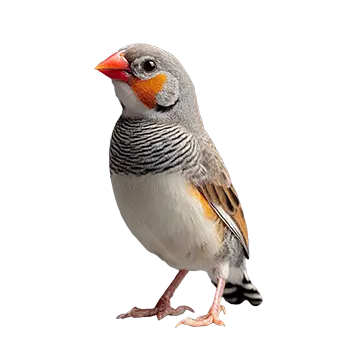

A mature Fischer's Lovebird requires a carefully balanced diet to maintain its vibrant plumage, strong immune system, and high energy level throughout its prime years. By adulthood, the bird's dietary habits are well established, and any changes to its nutritional regimen should be introduced gradually. The goal during this stage is to provide a diet that sustains the bird at its optimal weight while delivering the full spectrum of vitamins, minerals, and macronutrients it needs for long-term health.
A high-quality pelleted diet should form the nutritional foundation, accounting for approximately 60 to 70 percent of the bird's daily intake. Pellets are formulated to provide complete nutrition in every bite, eliminating the selective eating that occurs when birds are given seed-based diets and pick out only their favorite items while ignoring the rest. If the bird was not introduced to pellets during weaning or adolescence, the transition can be more challenging in adulthood but is still possible with patience and persistence. Offer pellets as the first food available each morning, when the bird is hungriest, and remove seeds until the bird has consumed a reasonable portion of pellets.
Fresh produce should make up 20 to 25 percent of the daily diet. Rotate through a wide variety of dark leafy greens, vegetables, and limited fruits to provide phytonutrients that pellets alone cannot deliver. Kale, Swiss chard, dandelion greens, broccoli, bell peppers of all colors, cooked sweet potato, snap peas, and shredded carrot are all excellent choices. Fruits such as berries, papaya, mango, and apple can be offered in small quantities as part of the fresh food portion, but their high sugar content means they should not dominate the bowl. Avoid avocado, chocolate, caffeine, alcohol, onions, garlic, and fruit pits, all of which are toxic to birds.
Seeds remain a beloved food for Fischer's Lovebirds but should be restricted to approximately 10 to 15 percent of the diet. In the wild, these birds spend hours foraging for seeds on the ground and in grass, and incorporating seeds into foraging activities rather than simply filling a dish replicates this natural behavior while controlling intake. Scatter a measured portion of seed mix into a foraging tray filled with shredded paper, wooden beads, or dried herbs, requiring the bird to work for its food. This approach satisfies the bird's foraging instinct and slows consumption, reducing the risk of obesity.
Clean water must be available at all times and changed at minimum twice daily. Fischer's Lovebirds enjoy bathing and will often soak in their water dishes, which contaminates the drinking supply. Providing a separate bathing dish or offering spray baths with a fine mist bottle addresses the bird's bathing needs without compromising hydration. Cuttlebone and mineral blocks should be available in the cage at all times to provide supplemental calcium and trace minerals, which are particularly important for hens even when breeding is not planned.