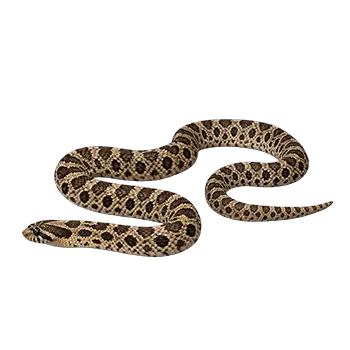

Road transport is the most common method of moving Mexican Hognose Snakes, whether for a veterinary visit across town, a relocation to a new home, or a trip to a reptile expo or breeder meeting. The species' small size, typically between fifteen and twenty-four inches as an adult, makes it one of the easier snakes to transport by vehicle, but its desert-adapted physiology and tendency toward stress-related behavioral responses require thoughtful preparation to ensure that the journey is completed safely and with minimal impact on the animal's health.
The foundation of safe road transport is an appropriate travel container. For a Mexican Hognose Snake, a small, opaque, well-ventilated plastic container with a secure locking lid is the standard choice. The container should be just large enough for the snake to adopt a loosely coiled resting posture without excessive open space that would allow the animal to slide and tumble during vehicle movements. Lining the bottom of the container with a layer of dry paper towels or unprinted newsprint provides a clean, absorbent surface, and a crumpled paper towel or small piece of clean cloth placed inside the container gives the snake something to tuck under, satisfying its instinct to seek cover and reducing visual stimulation during transit.
Temperature management is the single most critical consideration during road transport of the Mexican Hognose Snake. As a desert species, the Mexican Hognose is adapted to warm, dry conditions and is particularly vulnerable to cold stress, which can suppress immune function, impair digestion, and in severe cases prove fatal. During cooler months, a chemical heat pack designed for reptile shipping can be affixed to the outside of the travel container, separated from the interior by a layer of insulating material such as newspaper or cloth to prevent direct contact burns. In hot weather, the opposite concern applies: vehicles parked in direct sunlight can reach lethally high interior temperatures within minutes, and the transport container should never be left in an unattended vehicle, even briefly.
The duration and timing of road trips should be planned with the snake's welfare in mind. Short trips of an hour or two are generally well tolerated by healthy Mexican Hognose Snakes without special accommodations beyond the container and temperature management described above. For longer journeys, planning rest stops in climate-controlled locations, checking the snake's condition periodically, and ensuring that the container remains secure and level within the vehicle all contribute to a successful outcome. Feeding should be withheld for at least forty-eight hours before a planned transport to reduce the risk of regurgitation during the journey, a common stress response in snakes that can cause esophageal damage and secondary health problems.