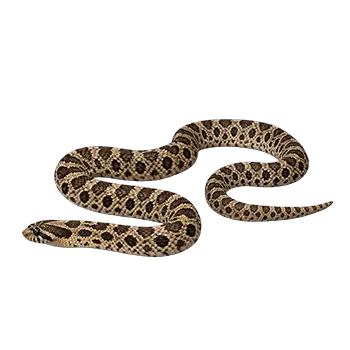

The legal framework governing the Mexican Hognose Snake (Heterodon kennerlyi) is a multi-layered system that reflects the species' binational range, spanning portions of northern Mexico and the southwestern United States. Because the snake's native territory crosses an international border and falls within the jurisdictions of multiple national, state, and local authorities, keepers, breeders, and researchers must navigate a complex and sometimes inconsistent set of regulations that vary significantly depending on geographic location, the intended activity, and whether the animals in question are wild-caught or captive-bred.
At the broadest level, the Mexican Hognose Snake's legal status is shaped by the wildlife protection laws of both Mexico and the United States, by the international trade regulations established under the Convention on International Trade in Endangered Species of Wild Fauna and Flora, and by the individual wildlife codes of the various states within which the species occurs or is kept in captivity. The interaction of these regulatory layers creates a landscape that, while designed to balance conservation needs with the legitimate interests of researchers and hobbyists, can be difficult for individuals to navigate without careful attention to the specific requirements that apply to their particular circumstances.
The relatively recent elevation of the Mexican Hognose Snake from subspecies status within Heterodon nasicus to full species recognition as Heterodon kennerlyi has added a layer of complexity to the legal picture. Some regulatory frameworks, particularly older state-level statutes and local ordinances, may not yet have been updated to reflect the current taxonomy, potentially creating ambiguities in how regulations written for the broader category of hognose snakes apply to the Mexican species specifically. Keepers and breeders are well advised to monitor taxonomic developments and their regulatory implications, as changes in classification can have direct consequences for the legal status of animals in their care.
Because wildlife law is subject to frequent revision and varies enormously across jurisdictions, the information presented here should be understood as a general guide to the types of regulations that may apply to the Mexican Hognose Snake, rather than as definitive legal advice for any particular situation. Anyone considering collecting, purchasing, breeding, transporting, or keeping a Mexican Hognose Snake should consult the specific statutes and administrative codes of the relevant jurisdictions and, when necessary, seek guidance from a qualified legal professional or the appropriate wildlife management agency.