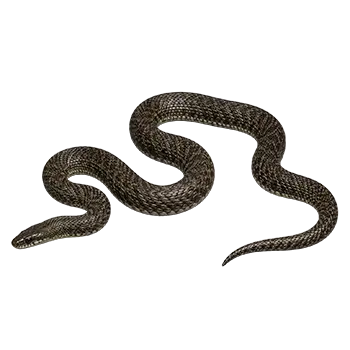

Transporting file snakes presents a fundamentally different set of challenges compared to moving terrestrial snake species, because the fully aquatic nature of the genus Acrochordus means that the animals must be maintained in water or in very high humidity conditions throughout the duration of any journey. Unlike terrestrial snakes, which can be safely transported in cloth bags or dry containers for reasonable periods, file snakes are physiologically dependent on aquatic or near-aquatic conditions and will experience rapid physiological stress if allowed to dry out. Their skin, which lacks the enlarged ventral scales and tightly overlapping dorsal scales of terrestrial species, does not provide an effective barrier against evaporative water loss, and the animals can become dangerously dehydrated within hours if removed from water in warm, dry conditions.
The standard method for short-distance transport of file snakes involves placing the animal in a watertight container partially filled with clean, dechlorinated water at an appropriate temperature. The container must be large enough to allow the snake to assume a comfortable resting posture without being so large that the animal is thrown about by the movement of the water during transit. For Acrochordus javanicus, which can reach lengths of eight feet or more, this means that the transport container must be of substantial dimensions, adding significantly to the logistical complexity and cost of any move. Smaller species such as Acrochordus granulatus are somewhat easier to accommodate, but the fundamental requirement for a waterproof, temperature-stable transport environment remains.
Water quality during transport is a critical concern that is often underestimated by individuals without experience handling aquatic reptiles. File snakes are sensitive to ammonia and other nitrogenous waste products that accumulate rapidly in the small water volumes used in transport containers, particularly when the animal is stressed and producing waste at elevated rates. For journeys lasting more than a few hours, provision must be made for water changes or the use of chemical ammonia neutralizers to prevent the buildup of toxic waste products to levels that could harm the animal. Temperature stability is equally important, as file snakes are tropical animals that can suffer cold shock if water temperatures drop below their comfort range during transit.
The challenges of aquatic transport have historically contributed to high mortality rates among file snakes moved through commercial supply chains. Animals collected in remote areas of Indonesia or Papua New Guinea may pass through several intermediary handlers before reaching an export facility, and the cumulative stress of multiple handling events, inadequate water conditions, and temperature fluctuations during this journey can leave animals in a severely compromised state before they even begin the international shipping process. Responsible sourcing practices require attention to every stage of this chain to ensure that the animals arriving at their final destination are healthy and have been handled humanely throughout.