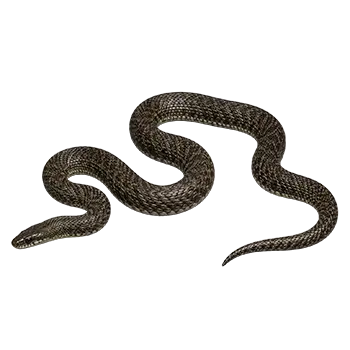

The file snake has appeared in a number of wildlife documentaries over the decades, though it has rarely been the primary subject of a production. Its most frequent appearances have come in broader programs exploring the wildlife of northern Australia, the wetlands of Papua New Guinea, or the aquatic ecosystems of Southeast Asia, where it is featured as one element of a richly biodiverse landscape. Productions by the BBC Natural History Unit, the Australian Broadcasting Corporation, and National Geographic have included footage of file snakes in segments on tropical freshwater habitats, typically highlighting the animal's unusual loose-skinned appearance and its fully aquatic lifestyle as points of contrast with more familiar terrestrial snake species.
One of the most widely seen documentary treatments of file snakes in the Australian context has involved footage of Aboriginal women hunting Acrochordus arafurae in the billabongs of the Northern Territory. These sequences, which have appeared in ethnographic and natural history programs from the 1970s onward, typically depict women wading barefoot through shallow water and locating the snakes by touch, a practice that powerfully conveys both the intimacy of the relationship between Aboriginal communities and their environment and the specialized ecological knowledge required to find and capture the animals. These segments have introduced international audiences to file snakes in a way that emphasizes the cultural dimensions of human-snake interactions rather than the sensationalism that characterizes much mainstream snake programming.
In Southeast Asian media, file snakes appear occasionally in regional wildlife programs and educational broadcasts produced in Indonesia, Malaysia, and the Philippines. These productions tend to focus on the biodiversity of local mangrove and riverine ecosystems, and file snakes are presented as one of many species inhabiting these environments. The relatively low profile of the genus in global media is partly a function of its visual characteristics: file snakes lack the dramatic color patterns, imposing size, or overt danger associated with species that tend to dominate snake-related television programming, and their nocturnal, submerged habits make them challenging subjects for filmmakers working on tight production schedules.
Despite their limited mainstream visibility, file snakes have been featured in several specialty natural history programs aimed at dedicated wildlife enthusiasts and herpetology audiences. These productions, often distributed through streaming platforms or specialty channels, have provided more detailed and scientifically rigorous coverage of file snake biology and behavior than is typical of general-audience programming, including underwater footage of the snakes hunting fish, sequences documenting reproductive behavior, and interviews with researchers studying the genus in field settings.