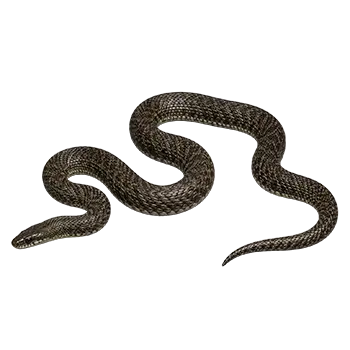

The international trade in file snakes is governed primarily by the Convention on International Trade in Endangered Species of Wild Fauna and Flora, commonly known as CITES, which regulates the cross-border movement of wildlife and wildlife products to ensure that international trade does not threaten species survival. Of the three recognized file snake species, Acrochordus javanicus and Acrochordus granulatus have been subject to varying degrees of CITES scrutiny, though neither species is currently listed on CITES Appendix I, which would impose the most restrictive trade controls. The listing status of file snakes on CITES appendices has evolved over time as new data on population trends and trade volumes have become available, and prospective owners or traders should verify current listing status before engaging in any cross-border transaction.
CITES operates through a system of permits issued by designated national management authorities in both exporting and importing countries. For species listed on Appendix II, which includes many commonly traded reptile species, export permits require a finding by the exporting country's scientific authority that the trade will not be detrimental to the survival of the species in the wild. This non-detriment finding process is intended to ensure that harvest levels are sustainable, but the rigor with which it is applied varies considerably between countries, and concerns have been raised about the adequacy of population data underpinning non-detriment findings for some reptile species, including file snakes, in parts of Southeast Asia.
The skin trade has historically been the primary driver of international commercial demand for file snakes, particularly Acrochordus javanicus, whose large hide has been used in the production of leather goods. This trade, concentrated primarily in Indonesia, has involved substantial volumes of skins exported to tanneries and fashion markets in Europe, Japan, and other consumer countries. CITES trade data records provide a quantitative picture of this commerce, and analyses of these records have informed discussions about whether existing trade controls are adequate to prevent overexploitation of wild file snake populations.
For individuals seeking to acquire file snakes through legal channels for personal keeping, the CITES framework means that any international purchase or transfer must be accompanied by appropriate documentation. Importing a file snake into a country that is a CITES signatory without the correct permits constitutes a violation of both international treaty obligations and the domestic legislation that each signatory nation has enacted to implement CITES requirements. Penalties for violations can include confiscation of animals, substantial fines, and in serious cases criminal prosecution.