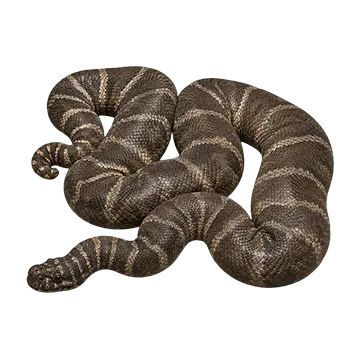

Observing in the Wild

Observing an Elephant Trunk Snake in its natural habitat is a genuinely challenging undertaking that rewards patience, preparation, and a willingness to embrace the unpredictable rhythms of tropical aquatic ecosystems. Unlike many popular wildlife-watching targets that can be reliably located through established trail systems, guided hikes, or permanent observation blinds, the Elephant Trunk Snake is a fully aquatic, predominantly nocturnal animal that spends the vast majority of its time submerged in murky, slow-moving waterways. Successful observation typically requires nighttime excursions on rivers or estuaries, guided by local boatmen who possess intimate knowledge of the specific waterways and microhabitats where the species is most likely to be encountered.

The most productive approach to finding Elephant Trunk Snakes in the wild involves working with experienced local guides who know the species' preferred habitats within their home waterways. The snakes favor areas of slow current, soft substrate, and abundant cover in the form of submerged vegetation, fallen timber, and overhanging bank vegetation. They are most active during the warmer nighttime hours, when they emerge from their daytime refuges to hunt fish along the edges of channels and in shallow backwater areas. A guided boat excursion during these hours, using handheld spotlights to scan the water's surface and margins, offers the best probability of encounter, though sightings are never guaranteed and observers should be prepared for the possibility of a rewarding but snake-free night on the water.

The use of local guides is important not only for maximizing the chances of a sighting but also for navigating the practical and safety considerations of nighttime boating on tropical waterways. Rivers and estuaries in the Elephant Trunk Snake's range can present hazards including floating debris, shifting sandbars, strong currents during tidal changes, and the presence of other potentially dangerous wildlife. Experienced boatmen mitigate these risks through their familiarity with local conditions and their understanding of how weather, tides, and seasonal water levels affect navigability and wildlife activity patterns.

Photographic documentation of wild Elephant Trunk Snakes requires preparation suited to the conditions in which sightings occur. Waterproof camera housings or at minimum water-resistant camera bodies are essential, as the observation environment inevitably involves splashing, humidity, and the risk of equipment contact with water. Low-light photographic capability is critical, as most sightings occur at night under artificial illumination. A moderate telephoto lens in the range of 100 to 200 millimeters provides a useful working distance that allows detailed images without requiring the boat to approach so closely that the snake is disturbed.

Key Destinations & Habitats

The Elephant Trunk Snake's broad geographic range across Southeast Asia and into northern Australasia encompasses a variety of countries and habitat types, but certain regions offer substantially better prospects for encountering the species than others. The Indonesian island of Borneo, particularly the province of Central Kalimantan, is widely regarded as one of the most reliable areas for observing Elephant Trunk Snakes in the wild, thanks to the extensive river systems, relatively intact wetland habitats, and established local knowledge of the species' distribution within specific waterways. The Kahayan, Kapuas, and Barito rivers and their tributary systems all harbor populations of the species, and local fishing communities in these areas are often able to direct visiting naturalists to productive observation sites.

Sumatra offers additional opportunities for Elephant Trunk Snake observation, particularly in the lowland river systems of the island's eastern coastal plain. The peat swamp forests and blackwater rivers of Riau, Jambi, and South Sumatra provinces provide habitat for the species, though access to these areas can be more logistically challenging than in Kalimantan due to the remoteness of many suitable sites and the variable quality of transport infrastructure. The tannin-stained waters characteristic of peat swamp environments can reduce underwater visibility and make visual detection of the snakes more difficult, though the species' abundance in these habitats can compensate for the observation challenges.

Peninsular Malaysia and the Malaysian state of Sarawak on Borneo also fall within the species' range and offer potential observation opportunities, particularly in the mangrove-fringed estuaries and coastal river systems of the west coast. Malaysia's well-developed tourism infrastructure makes these areas more accessible to international visitors than many Indonesian sites, though the Elephant Trunk Snake receives less attention from the Malaysian ecotourism industry than more charismatic species such as orangutans, proboscis monkeys, and marine turtles. Travelers with a specific interest in observing the species in Malaysia will generally need to arrange independent excursions with local boatmen rather than relying on established wildlife tour operations.

In Australia, the Elephant Trunk Snake occurs in the coastal rivers, billabongs, and estuaries of the Northern Territory and far north Queensland. The Adelaide, Daly, and East Alligator rivers in the Northern Territory are among the Australian waterways where the species has been recorded, though encounter rates are generally lower than in the core Southeast Asian range. Australian populations inhabit waterways that also support saltwater crocodiles, and nighttime boat excursions in these areas require careful attention to crocodile safety protocols. The combination of strict wildlife protection laws, relatively low population densities of the snake, and the presence of large crocodilians makes Australia a less practical destination for Elephant Trunk Snake observation than the Indonesian sites, though the species can occasionally be encountered as a secondary observation during broader wildlife-watching activities in tropical northern Australia.

Travel Planning & Seasonal Considerations

Effective travel planning for an Elephant Trunk Snake observation trip requires attention to seasonal patterns that influence both the species' behavior and the practicalities of accessing its habitat. Across much of Southeast Asia, the most significant environmental variable is the monsoon cycle, which divides the year into distinct wet and dry seasons that profoundly affect water levels, river navigability, and wildlife activity patterns. Understanding how these seasonal shifts affect the Elephant Trunk Snake's behavior and the conditions in which observation takes place is essential for timing a trip to maximize the probability of a successful encounter.

During the wet season, which typically runs from approximately October through March across much of Indonesia and Malaysia, rivers and wetlands swell with monsoon rains, expanding the available aquatic habitat and dispersing Elephant Trunk Snake populations across a much larger area. While the snakes remain active during this period, the combination of high water levels, strong currents, increased turbidity, and the vast area over which animals may be distributed makes observation significantly more difficult than during the dry season. Flooding can also render access roads impassable and boat navigation hazardous, creating logistical challenges that compound the biological difficulty of finding snakes in high-water conditions.

The dry season, typically spanning April through September, concentrates Elephant Trunk Snakes into the remaining permanent waterways as peripheral habitats dry out. This concentration effect substantially increases the density of snakes in accessible rivers and deep pools, improving encounter rates for observers. Lower water levels also improve visibility and make boat navigation easier and safer, while the reduced frequency of heavy rain makes nighttime excursions more comfortable and more likely to proceed without weather-related cancellations. For most travelers, the dry season represents the optimal window for planning an Elephant Trunk Snake observation trip.

Practical travel arrangements for reaching productive observation sites in the species' range typically involve a combination of international air travel to a regional hub, domestic flights or overland transport to a provincial center, and local boat or vehicle transport to the specific waterway or wetland area where observations will take place. In Indonesian Kalimantan, the city of Palangkaraya serves as a common staging point for trips into the Central Kalimantan river systems, with connections available from Jakarta, Surabaya, and Banjarmasin. Travelers should budget several days for travel to and from observation sites, as the combination of domestic flight schedules, road conditions, and river travel times can make even apparently short distances surprisingly time-consuming.

Accommodation options near productive Elephant Trunk Snake observation sites range from basic village homestays and riverside camping to modest guesthouses in provincial towns. Travelers accustomed to the well-developed tourism infrastructure found in popular Southeast Asian destinations such as Bali, Bangkok, or Kuala Lumpur should calibrate their expectations accordingly, as the remote river systems where the species is most reliably encountered tend to offer limited amenities. Mosquito protection, reliable water purification, and appropriate tropical medical preparation including up-to-date vaccinations and antimalarial medication are essential components of trip planning for these areas.

Responsible Wildlife Tourism

Responsible engagement with wild Elephant Trunk Snakes requires adherence to a set of ethical principles that prioritize the welfare of the animals and the integrity of their habitat above the desires of the observer. The species' docile temperament and slow movements when encountered at the surface make it vulnerable to handling, harassment, and disturbance by well-meaning but poorly informed visitors, and the growing interest in the species as a wildlife-watching target increases the importance of establishing and maintaining appropriate behavioral standards for observation activities.

The most fundamental principle of responsible Elephant Trunk Snake observation is to minimize disturbance to the animals and their environment. Observers should maintain a respectful distance, avoid attempting to touch, handle, or restrain wild snakes, and limit the duration and intensity of artificial lighting used during nighttime observations. Extended exposure to bright spotlights can disrupt the snake's normal behavior, interfere with its hunting activity, and cause physiological stress, particularly in the sensitive visual system that the species relies on for nocturnal navigation and prey detection. Brief, intermittent illumination using diffused or red-filtered light sources is preferable to sustained exposure to high-intensity white light.

The selection of tour operators and guides is one of the most impactful decisions a responsible wildlife traveler can make. Operators who demonstrate genuine knowledge of and respect for the species, who employ local guides and boatmen at fair wages, and who limit group sizes to minimize disturbance are preferable to those who prioritize guaranteed sightings at any cost. In some areas, the commercial value of wildlife tourism has led to the practice of capturing Elephant Trunk Snakes in advance and holding them for display to visiting tourists, a practice that undermines the authenticity of the experience and subjects the animals to unnecessary stress and handling. Travelers should inquire about observation methods before booking and decline to participate in activities that involve the capture or confinement of wild animals for viewing purposes.

The economic dimension of responsible wildlife tourism deserves careful consideration. In many of the communities where Elephant Trunk Snake observation is possible, the species is also harvested commercially for the skin trade, and the development of nature-based tourism that provides an alternative or supplementary income stream can create positive incentives for conservation. Travelers who engage local guides, stay in locally owned accommodation, and purchase food and supplies from community businesses contribute directly to the economic case for keeping wild Elephant Trunk Snake populations intact. This economic argument is most persuasive when tourism revenue reaches the individuals and communities who would otherwise derive their income from harvesting the species, making the equitable distribution of tourism benefits a key concern for responsible travelers.

Safety & Practical Field Guidance

While the Elephant Trunk Snake itself poses no significant safety risk to human observers, being a non-venomous species with a docile temperament and no inclination toward defensive aggression, the environments in which observation takes place present a range of practical hazards that travelers should prepare for thoroughly. Tropical waterways in Southeast Asia and northern Australia harbor a variety of potentially dangerous wildlife, including venomous snakes, saltwater and freshwater crocodiles, and various species of biting and stinging invertebrates. Awareness of these co-occurring hazards and appropriate precautions are essential components of safe field practice in Elephant Trunk Snake habitat.

Navigating tropical waterways at night, which is the primary context for Elephant Trunk Snake observation, introduces risks related to boat safety, limited visibility, and the potential for encounters with obstacles or wildlife that are difficult to detect in darkness. Travelers should ensure that any boat used for nighttime excursions is in sound condition, carries appropriate safety equipment including life jackets and a backup light source, and is operated by a boatman with extensive experience navigating the specific waterway in question. Personal flotation devices should be worn whenever the boat is in motion, and travelers who cannot swim or who are not strong swimmers should exercise particular caution.

The tropical climate of the Elephant Trunk Snake's range presents health considerations that require advance preparation. Malaria, dengue fever, and other mosquito-borne diseases are present in many areas where the species occurs, and appropriate prophylactic measures should be discussed with a travel medicine specialist before departure. The warm, humid conditions that characterize the species' habitat also create an environment favorable to heat-related illness, skin infections, and waterborne gastrointestinal diseases. Adequate hydration, sun protection during daytime travel, and scrupulous attention to food and water hygiene are basic but essential precautions.

Communication and emergency preparedness deserve attention when traveling to the remote areas where Elephant Trunk Snake observation is most productive. Mobile phone coverage is absent or unreliable in many of the river systems and wetland areas that the species inhabits, and access to medical facilities may require hours of travel by boat and road. Travelers should carry a well-stocked first aid kit, ensure that their travel insurance covers medical evacuation from remote areas, and leave detailed itinerary information with contacts outside the travel area. A satellite communication device is a worthwhile investment for trips into areas where cellular coverage cannot be relied upon.

Appropriate field clothing for Elephant Trunk Snake observation includes lightweight, long-sleeved shirts and long trousers in muted colors, waterproof footwear suitable for entering and exiting boats on muddy riverbanks, and a rain jacket or poncho for the sudden downpours that are common in tropical environments. Insect repellent containing DEET or picaridin should be applied generously and reapplied as needed, and a head net may be valuable in areas with heavy mosquito or midge activity. A compact, waterproof headlamp with a red light setting is useful for hands-free illumination that minimizes disturbance to wildlife and preserves the observer's night vision.

Conservation Tourism & Community Engagement

The intersection of wildlife tourism and conservation offers significant potential for supporting Elephant Trunk Snake populations while providing meaningful experiences for travelers and economic benefits for local communities. Conservation-focused tourism initiatives in several parts of the species' range are working to develop models that connect visiting naturalists with local communities and conservation projects, creating partnerships that benefit all parties while contributing to the long-term protection of the species and its habitat.

In Indonesian Kalimantan, several community-based conservation projects have begun incorporating Elephant Trunk Snake observation into broader ecotourism programs that also feature visits to orangutan rehabilitation centers, peat swamp forest walks, and cultural experiences with indigenous Dayak communities. These integrated tourism models recognize that most international travelers visiting the region are attracted by its flagship species and cultural heritage rather than by any single target animal, and they position the Elephant Trunk Snake as one element of a rich and diverse natural and cultural landscape rather than as a standalone attraction. This approach spreads tourism revenue across a broader base of community activities and reduces the pressure to guarantee sightings of any single species.

Citizen science programs represent another avenue through which travelers can contribute to Elephant Trunk Snake conservation while enriching their own experience of the species. Several research projects studying the species' ecology and population status in Indonesia and Malaysia have developed protocols that allow trained volunteers to contribute observation data, photograph individuals for identification purposes, and assist with habitat surveys. Participation in these programs provides travelers with a deeper understanding of the species' biology and conservation challenges than passive observation alone can offer, while generating data that directly supports scientific research and conservation planning.

The development of conservation tourism around the Elephant Trunk Snake faces challenges that are characteristic of ecotourism in developing tropical regions. The remoteness of many productive observation sites, the limited tourism infrastructure in rural areas, and the difficulties of marketing a species that lacks the immediate visual appeal of more charismatic megafauna all constrain the growth potential of Elephant Trunk Snake tourism. Language barriers between international visitors and local communities can limit the depth of cultural exchange, and the need to manage visitor expectations regarding sighting probability requires careful communication and honest marketing.

Despite these challenges, the trajectory of conservation tourism in the Elephant Trunk Snake's range is broadly positive. Growing international interest in unusual and off-the-beaten-path wildlife experiences, combined with the expanding reach of digital media in promoting lesser-known destinations and species, is gradually increasing the flow of nature-focused travelers to areas where the species can be observed. As tourism revenue grows and its benefits become more apparent to local communities, the economic case for protecting Elephant Trunk Snake populations and their habitats strengthens correspondingly. The challenge for conservation practitioners and tourism operators alike is to manage this growth in a way that preserves the ecological integrity and authentic character that make these experiences valuable in the first place.

Always consult a qualified professional before making any health-related decisions. This content is provided for informational reference only and should not replace professional guidance specific to your animal.