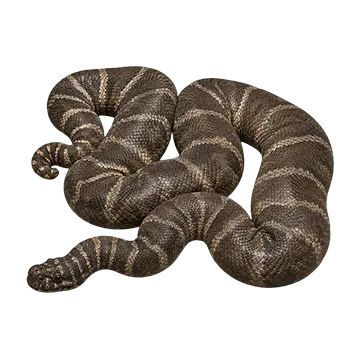

The international trade in Elephant Trunk Snake products is governed primarily by the Convention on International Trade in Endangered Species of Wild Fauna and Flora, commonly known as CITES. The Elephant Trunk Snake is listed under CITES Appendix II, a designation that permits commercial trade in the species but requires that such trade be regulated through a system of export permits issued by the management authority of each exporting country. Appendix II listing does not prohibit international commerce, but it does mandate that exporting nations demonstrate that the trade is not detrimental to the survival of the species in the wild, a requirement enforced through the non-detriment finding process that is central to the CITES regulatory framework.
Indonesia has historically been the dominant exporter of Elephant Trunk Snake products under CITES, reflecting the species' abundance in Indonesian waterways and the country's well-established commercial infrastructure for harvesting and processing reptile skins. The Indonesian CITES Management Authority, operating under the Ministry of Environment and Forestry, sets annual export quotas for the species based on recommendations from the national Scientific Authority, which is tasked with assessing whether proposed harvest levels are sustainable. These quotas have fluctuated substantially over the decades as scientific understanding of the species' population dynamics has evolved and as political and economic pressures have influenced the quota-setting process.
The CITES framework has faced persistent criticism regarding its effectiveness in regulating the Elephant Trunk Snake trade. Conservation organizations and independent researchers have raised concerns about the reliability of the non-detriment findings on which export quotas are based, noting that population surveys of a fully aquatic, nocturnal species inhabiting vast and often inaccessible tropical waterway systems are inherently difficult and expensive to conduct. The gap between the theoretical rigor of the CITES regulatory model and the practical realities of monitoring compliance in remote harvesting areas has been a recurring theme in discussions about the species' conservation status.
Beyond CITES, several bilateral and multilateral trade agreements affect the movement of Elephant Trunk Snake products between countries. The European Union's Wildlife Trade Regulations, which implement CITES within the EU but impose additional requirements beyond those mandated by the convention itself, subject imports of Elephant Trunk Snake skins and leather goods to heightened scrutiny. The United States Lacey Act provides a complementary enforcement mechanism by making it unlawful to import wildlife products that were harvested or traded in violation of the laws of the country of origin, creating an additional layer of legal liability for importers who fail to verify the legality of their supply chains.